Gone are those days when smart class just meant a projector and a few PowerPoint slides. Now, almost 60% of teachers make use of Artificial Intelligence in education. CBSE is planning to push it further in 2026-27.
Classrooms are getting smarter with a better virtual experience. But how exactly is CBSE making this shift? What does this mean for students? Let’s check it out.
The Push from NEP 2020
The grand leap towards technology in CBSE schools started with the National Education Policy 2020. The statement was a revolutionary reform that sought to make learning more practical and skill-oriented. It clearly mentioned the introduction of technology—and more specifically, artificial intelligence in education—right into the classroom.
In line with NEP’s vision, CBSE has revised its curriculum to offer AI as an elective subject from Class 6 onwards. Schools are now motivated to give more hands-on learning opportunities to students for practical exposure. The concept is straightforward: make learning more interactive and give students skills relevant to the current job market.
How CBSE Schools Are Integrating AI in Classrooms?
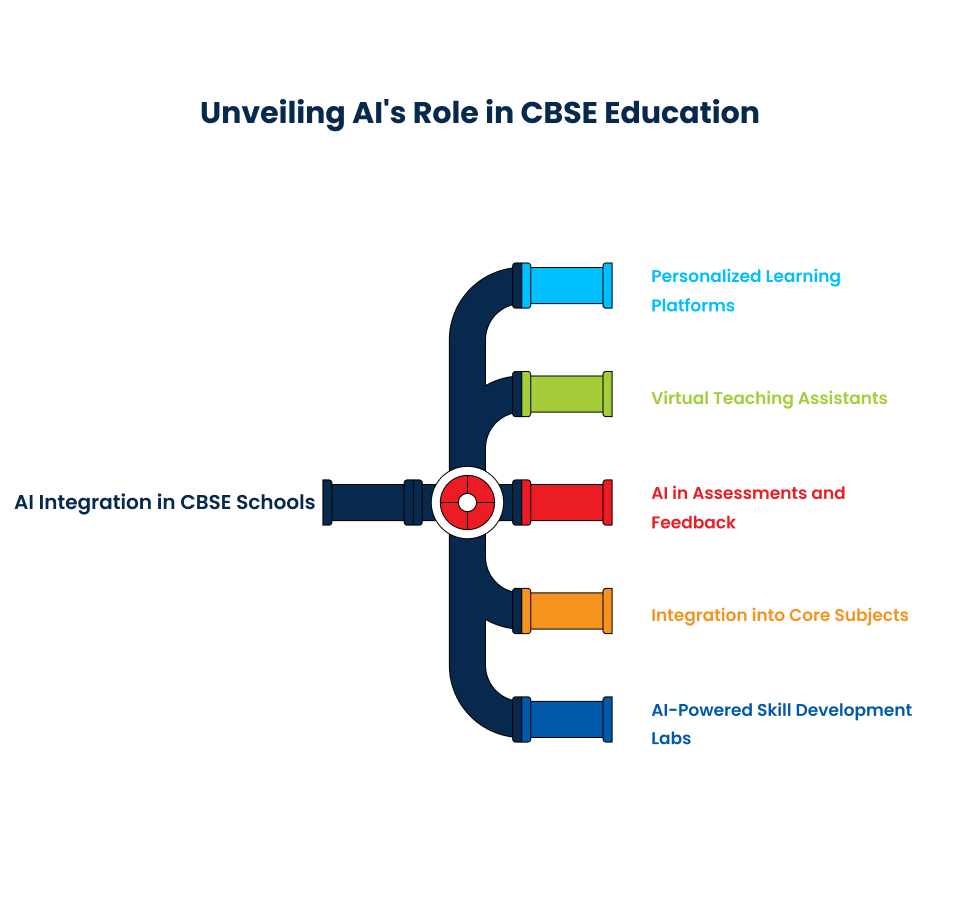
1. AI-Powered Personalized Learning Platforms
One-size-fits-all education is just a myth. And that’s why there is a growing practice in CBSE schools to implement AI platforms such as Eduten, Mindspark, Embibe, etc. All these can be adjusted to the pace and learning style of every student.
For instance, if a student is having difficulty with fractions, the platform automatically provides more practice questions with step-by-step clues. Similarly, the system may automatically skip to high-level topics for students who have grasped the basics well enough.
In fact, these systems are actually analysing individual student performance in real-time to tailor the learning paths. Studies state that students who are exposed to adaptive learning techniques have 26% higher test scores, on average, as compared to conventional learning methods.
2. Virtual Teaching Assistants (VTAs)
AI is also making an appearance in the form of warm classroom assistants. Some schools have implemented chatbot-like VTAs that resolve student uncertainties in an instant, even outside of school hours.
Students can ask, “What’s Newton’s Second Law?” or “How to solve this quadratic equation?”—and the AI replies in seconds. These Virtual Training Assistants (VTAs) are multilingual and aware of the conversation context. It’s just like having a round-the-clock tutor on your side.
3. AI in Assessments and Feedback
Many top-notch CBSE secondary schools now have AI tools like Quizizz, uLearn.ai, and Parakh AI to:
- Auto-grade quizzes and assignments.
- Detect patterns in student answers.
- Provide real-time feedback to educators on what needs to be re-taught.
That lets teachers make data-driven decisions quickly. A McKinsey report states that such uses of AI in education can save up to 13 hours per week for teachers.

4. Integration into Core Subjects
Well, the usage of Artificial Intelligence in education isn’t limited to computer classes. It is used to facilitate normal courses as well. For instance:
- Artificial Reality (AR), supported by AI, assists in visualising complex scientific processes such as digestion or photosynthesis.
- When it comes to social studies, AI tools can simulate historical events to engage students.
5. AI-Powered Skill Development Labs
Some of the best CBSE schools in Noida even have separate AI and robotics labs. Students can develop actual projects through such practical areas. In addition to that, children are learning coding and how AI is used in the real world—skills as critical as learning to read and do mathematics.
Benefits For Students
The future of AI in education looks so bright with many benefits like:
- AI technology lets students learn at their own pace so as to allow them to grasp difficult subjects more easily.
- AI chatbots can instantly clarify student doubts arising during personal study hours after school timings.
- Rather than mere marks, AI provides genuine feedback—what you’ve done right and where you should do better. That makes it easier to revise.
- AI-based tools can recommend subjects according to their interests and strengths during the CBSE 11th admissions.
- Being able to work with AI provides students with an early advantage. They can discover future careers like engineering, design, AI, data science, and more. That way, they can demonstrate the importance of AI in education outside school.
Also Read: Developing Care for the Environment: Practices for Sustainability in Schools
Challenges For Implementing AI in Education
The major challenge is the lack of proper infrastructure in many schools, especially in rural areas. It’s difficult to integrate AI into daily learning without high-speed internet. And not every student has an equal level of access to technology at home, which can open up gaps in education.
Another is training. Teachers must have the proper support and upskilling to use AI tools effectively. Otherwise, the uses of AI in education will remain limited.
Conclusion
Artificial Intelligence in education makes learning more interactive and applicable to the outside world. As technology continues to become a greater part of our existence, those schools that introduce AI are literally giving students an actual head start.
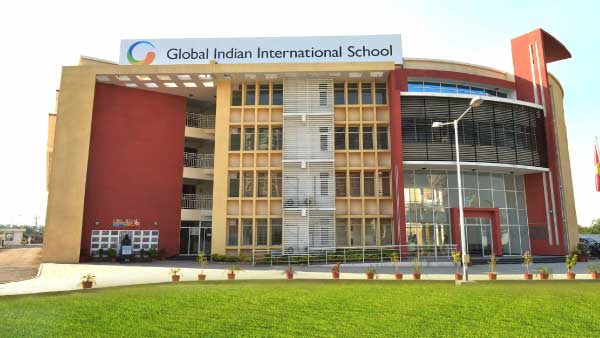
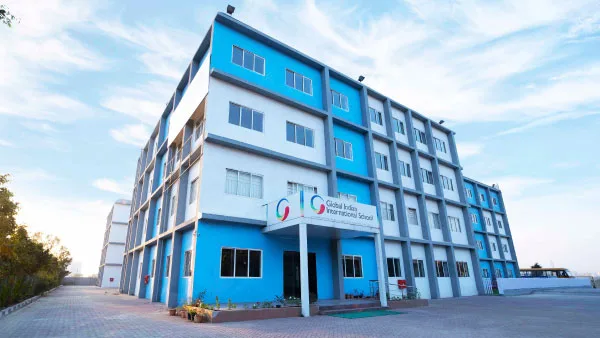
At GIIS Noida, we are actively integrating AI into learning to prepare students for the future. We have specialised tech labs and other such modern amenities to offer them the practical exposure that they need. Let your child grow in a future-oriented learning environment!
FAQs:
Is digital learning taking over traditional textbooks in CBSE schools?
Yes, digital learning is becoming a strong complement to textbooks. At GIIS Noida, we blend tech tools with the CBSE syllabus to make learning more engaging and effective.
Are schools using AI in classrooms today?
Absolutely. Many CBSE schools in Uttar Pradesh, including GIIS Noida, are integrating AI tools like virtual assistants and adaptive platforms to enhance learning across subjects.
What role will AI play in the future of education?
AI will personalise learning, help with assessments, and guide career paths. GIIS Noida is already preparing students for this future through early exposure and hands-on experience.
Is AI a safe and helpful tool for school students?
Yes, when used responsibly, AI tools support students safely by providing instant help, feedback, and personalised learning, especially useful during self-study and after-school hours.
How is CBSE helping students build digital skills?
CBSE now promotes coding, robotics, and AI training through school labs and curriculum upgrades. GIIS Noida aligns its programs to ease CBSE admission into digital-age learning.
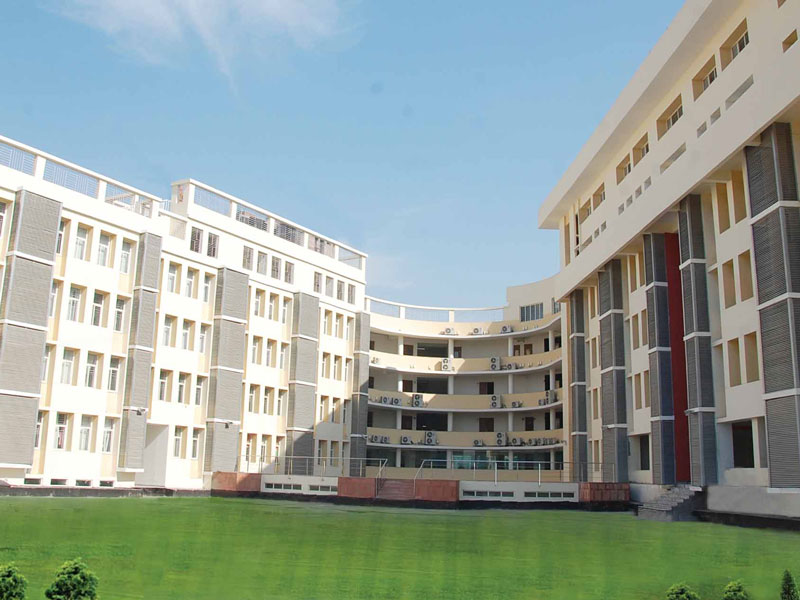 Noida Campus