The way your child thinks about challenges shapes their learning journey. Let’s explore how to build a mindset that grows.
Every child faces moments when learning feels hard. They might say things like, “I can’t do this,” or “I’m just not good at it.” These thoughts come from a fixed mindset; the belief that ability or intelligence cannot change.
A growth mindset, on the other hand, helps children see challenges as opportunities to learn. It teaches them that effort and practice lead to improvement. When children develop this mindset early, they become more confident and willing to explore new things with confidence and clarity
This blog shares simple, everyday ways parents can develop a child’s growth mindset, helping them build confidence, curiosity, and a lasting love of learning.
What Is a Growth Mindset?
A growth mindset is the belief that abilities and intelligence can improve through effort, learning, and persistence. It helps children understand that success comes from trying and practising, not from being naturally “good” at something.
Encouraging a growth mindset in students helps them face difficulties with confidence. They start to enjoy learning, stay motivated, and understand that every mistake is a chance to grow.
Practical Ways to Develop a Child’s Growth Mindset
Helping your child build a growth mindset doesn’t need special tools or lessons. It starts with small, everyday actions that shape how they think about learning and effort.
- Praise effort, not just results
Focus on how hard your child tries, not only on grades or performance. This teaches them that improvement matters more than perfection.
- Talk about mistakes positively
When something goes wrong, discuss what they learned from it. Mistakes are a part of progress, not proof of failure.
- Use positive language
Replace “You can’t do this” with “You can learn this with practice.” Words can help children believe in their ability to grow.
- Encourage small challenges
Let your child take on new or slightly complex tasks. Completing them builds confidence and independence.
- Be an example
Show your own learning process. When children see adults trying, failing, and improving, they learn to do the same.
- Celebrate progress
Recognize small improvements. It reminds children that steady effort always leads to growth.
These simple steps can help develop a child’s growth mindset, making them more confident, curious, and open to learning.
Benefits of a Growth Mindset in Students
When children believe they can improve with effort, it changes how they learn and how they face challenges. The benefits of a growth mindset go far beyond academics; it shapes how they think, act, and respond to life.
- Builds confidence: Children learn to trust their ability to improve, even when tasks feel difficult.
- Encourages resilience: They keep trying instead of giving up after the first failure.
- Improves focus: Students pay closer attention to learning steps rather than worrying about grades.
- Reduces fear of mistakes: Failure becomes a lesson, not something to avoid.
- Promotes curiosity: Children start exploring new ideas and enjoy learning for its own sake.
With these skills, a growth mindset in students helps them grow into independent, motivated learners ready for any challenge.
Growth Mindset in the Classroom
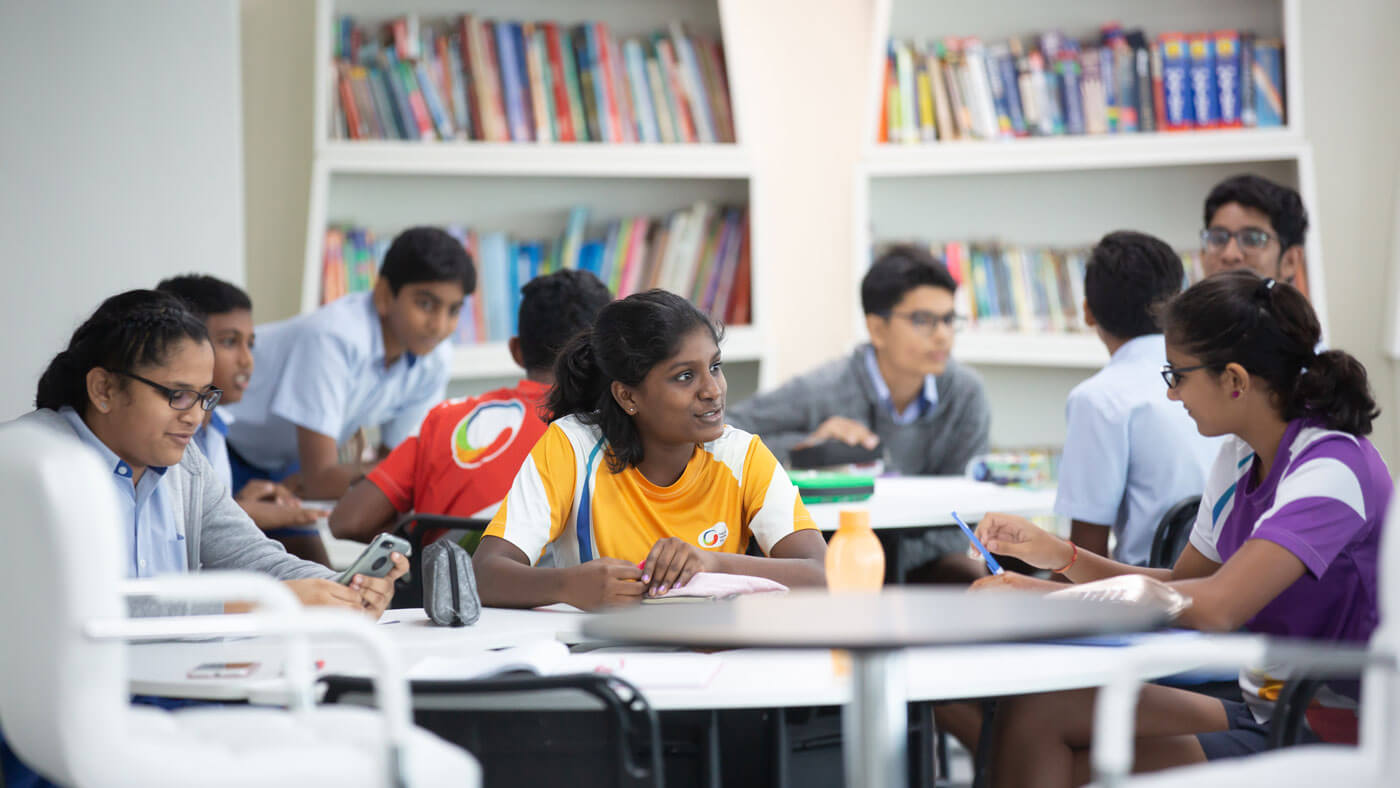
The classroom plays an essential role in developing a growth mindset. When teachers encourage students to ask questions, try again, and share their ideas, learning becomes more active and positive.
Simple habits like group discussions, regular feedback, and celebrating effort help students see that success comes from trying. A growth mindset in the classroom helps children stay confident, focused, and eager to learn even when lessons get tough.
Growth Mindset for Teens
As children grow older, schoolwork and peer pressure can make them doubt their abilities. A growth mindset for teens helps them handle these challenges calmly.
Encourage your teen to set small goals, keep a journal of progress, and talk openly about their learning journey. Remind them that everyone learns at a different pace. When teens focus on effort, they stay motivated and ready to face challenges with a positive attitude.
Conclusion: Building Belief in Every Child
A child’s mindset shapes how they face challenges, learn from mistakes, and believe in themselves. When parents and teachers encourage effort over results, children begin to see learning as a journey, not a race. This is the real strength of a growth mindset; it teaches patience, confidence, and resilience.
Small steps, such as having positive conversations, celebrating progress, and embracing challenges, can make a big difference in how children think and grow. With time, these habits create learners who don’t fear mistakes but learn from them.
At Global Indian International School, Noida, every learning experience is designed to build confidence and curiosity. The school encourages students to think independently, embrace challenges, and keep improving, turning learning into a habit that lasts for life.
 Noida Campus