Most international schools build presentation skills by making students speak, perform and defend ideas in front of real audiences, repeatedly and from an early age. At GIIS in Singapore, this happens through the international and Indian curricula, including IB, Cambridge and CBSE and 9GEMS framework. Students also practise these skills through performances, competitions and clubs.
The key takeaway is clear: confidence grows through consistent practice embedded in the school week, rather than relying on a single elective.
Below is where presentation practice happens at GIIS in Singapore:
| Area | Routine in School | Presentation Relevance |
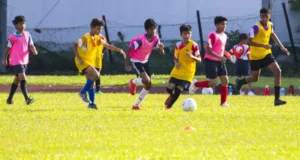
| Co-curricular activities | Part of the school day: talent shows, performances, competitions, clubs | Regular public speaking and performing |
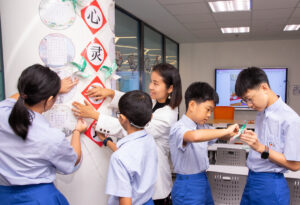
| 課外活動 | After school; each student takes one activity | Teamwork, team communication |
| 9GEMSフレームワーク | Academics plus sports, arts, innovation, entrepreneurship, community development | Varied audiences and formats |
| IB PYP (ages 3–11) | Inquiry-based; encourages curiosity and independent thinking | Explaining one’s own thinking |
| IB Diploma (Grades 11–12) | Pre-university programme | Senior students develop presentation skills by explaining research, supporting arguments with evidence and responding to questions. |
What Are Presentation Skills in an International School Curriculum?
Presentation skills encompass the ability to structure complex ideas, articulate them clearly to an audience, and respond dynamically to questions. Within a modern international school curriculum, public speaking is not treated as a standalone elective; rather, it serves as a core pillar alongside critical thinking and collaborative problem-solving—directly aligning with frameworks such as the Singapore Ministry of Education’s 21st Century Competencies. Consequently, these skills are systematically integrated across academic disciplines rather than taught in isolation.
How Does Progressive Skill Development Work in Practice?
Oral proficiency and public speaking are cultivated through a structured, multi-stage progression:
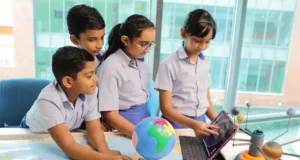
- Early Years (Foundational Confidence): Young learners begin by sharing insights in small, supportive group settings to build foundational self-expression. Frameworks like the IB Primary Years Programme (PYP) leverage inquiry-based learning to channel natural curiosity into active dialogue and questioning.
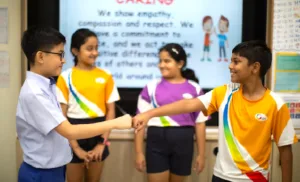
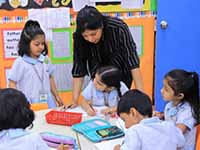
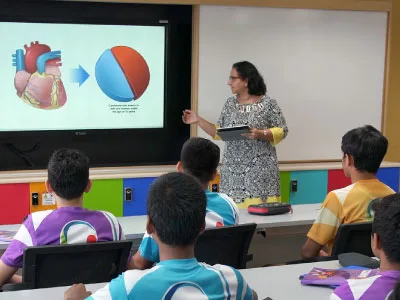
- Primary & Middle Years (Audience Expansion): Students transition to larger audiences through structured classroom presentations, theatrical performances, and co-curricular showcases, expanding their comfort zone.
- Secondary Years (Performance Under Pressure): Competitive platforms introduce critical variables such as external panel evaluation, strict time constraints, and competitive rigour, teaching students to communicate effectively under pressure.
- Senior Years (Academic Defence): Diploma-level coursework requires students to defend complex theses, articulate research methodologies, and engage in high-level intellectual discourse.
By scaffolding public speaking opportunities across every stage of development, students build enduring confidence, eloquence, and presentation mastery over time.
How Do Presentation Skills Translate into Real-Life Situations?
Presentation practice can help students become more comfortable contributing to discussions and speaking in front of others. These observations offer valuable insights into the changes families observe in their children. Increased confidence often becomes evident in a student’s willingness to contribute to discussions, express ideas and speak in front of others.
GIIS in Singapore places emphasis on student wellbeing and uses its Happiness Index to gather insights into student happiness. A supportive learning environment can help students feel more comfortable expressing their ideas, participating in classroom discussions and gradually building confidence in speaking and presentation activities.
What Should Parents Look for When Choosing an International School?
When comparing international schools for their approach to skills development, parents should look beyond broad promises of a holistic education and consider how these skills are integrated into students’ everyday learning experiences.
- Opportunities for public speaking: Explore how the school incorporates presentations, discussions and other speaking opportunities into the learning experience, and how these develop as students progress through different year groups.
- Practical leadership experiences: Find out how students can take on leadership responsibilities through student councils, collaborative projects, school events and other initiatives that encourage responsibility, teamwork and decision-making.
- Support for different confidence levels: Understand how the school helps students develop their communication skills at an appropriate pace, particularly in the early years, when confidence and self-expression are still developing.
- Alignment with academic goals: Consider how the school’s approach to holistic education complements its academic curriculum and supports your child’s longer-term educational aspirations. GIIS in Singapore offers five curricula, giving families a range of pathways to consider—whether navigating global frameworks or understanding local educational requirements outlined by the Singapore Ministry of Education—when planning their child’s education.
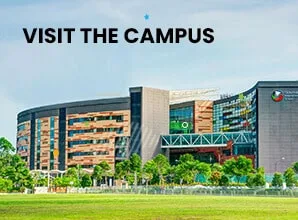
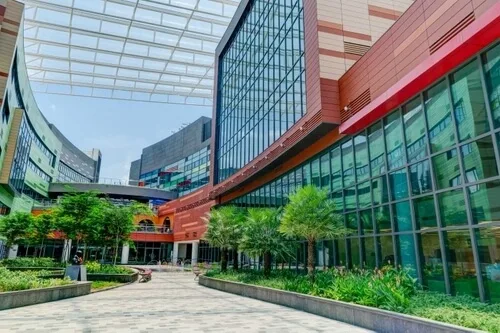
Experience the learning environment first-hand. Book a campus tour at GIIS Singapore, located at 27 Punggol Field Walk, and enquire about opportunities to observe co-curricular activities in action. This can help you gain a clearer understanding of how the school supports students’ development beyond the classroom.
よくある質問
Which curricula does GIIS Singapore offer?
GIIS in Singapore offers five curriculum pathways: CBSE, Cambridge CLSP, Cambridge IGCSE, the IB Primary Years Programme (PYP) and the IB Diploma Programme (IBDP). Younger learners can also begin their educational journey through the Global Montessori Plus programme.
Can shy children develop confidence in public speaking and presentations?
Absolutely. Confidence develops through practice, encouragement and gradual exposure to new experiences. Children can begin by sharing their ideas in small groups before progressing to classroom presentations and larger audiences. With consistent support, they can strengthen their communication skills and become more comfortable expressing themselves.
Does GIIS in Singapore offer scholarships?
Yes. GIIS in Singapore offers scholarships across various categories, including academic excellence, sports, performing arts, leadership and community service. Eligibility criteria, award details and application requirements may vary by scholarship category. Parents are encouraged to consult the latest official scholarship brochure for current terms and conditions.

チームGIIS
Team GIIS is a group of enthusiastic writers who bring the vibrant world of GIIS in Singapore to life through engaging blog posts. Dedicated to highlighting the school’s teaching methodology, innovative learning environment, and diverse curriculum options like IB, Cambridge and CBSE, they aim to connect with parents, educators and students, sharing insights and stories that inspire and inform the school community.