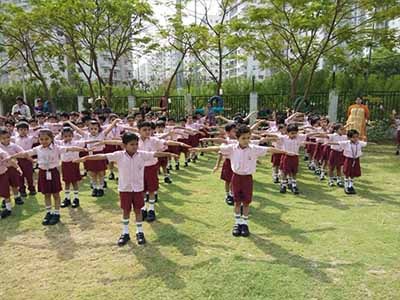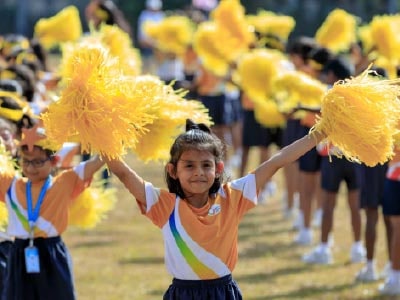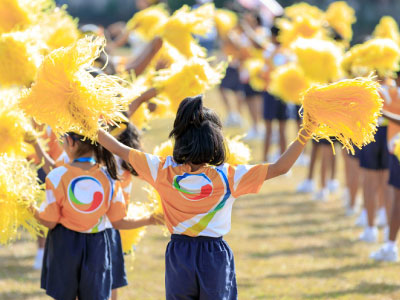
Education should be a place where every child feels;
- Safe
- Supported
- Valued
No one should be left behind just because they learn differently, speak another language, or move through the world in a unique way.
That’s why we need to understand the importance of inclusive education. It’s not about treating everyone the same. It’s about making sure every student gets what they need to succeed whether that’s extra time, different tools, or simply a bit more patience. Inclusive practices work best when introduced early – many pre-primary schools in Ahmedabad now train teachers to spot developmental differences and adapt activities before children move into structured primary grades.
What is Inclusive Education in Practice?
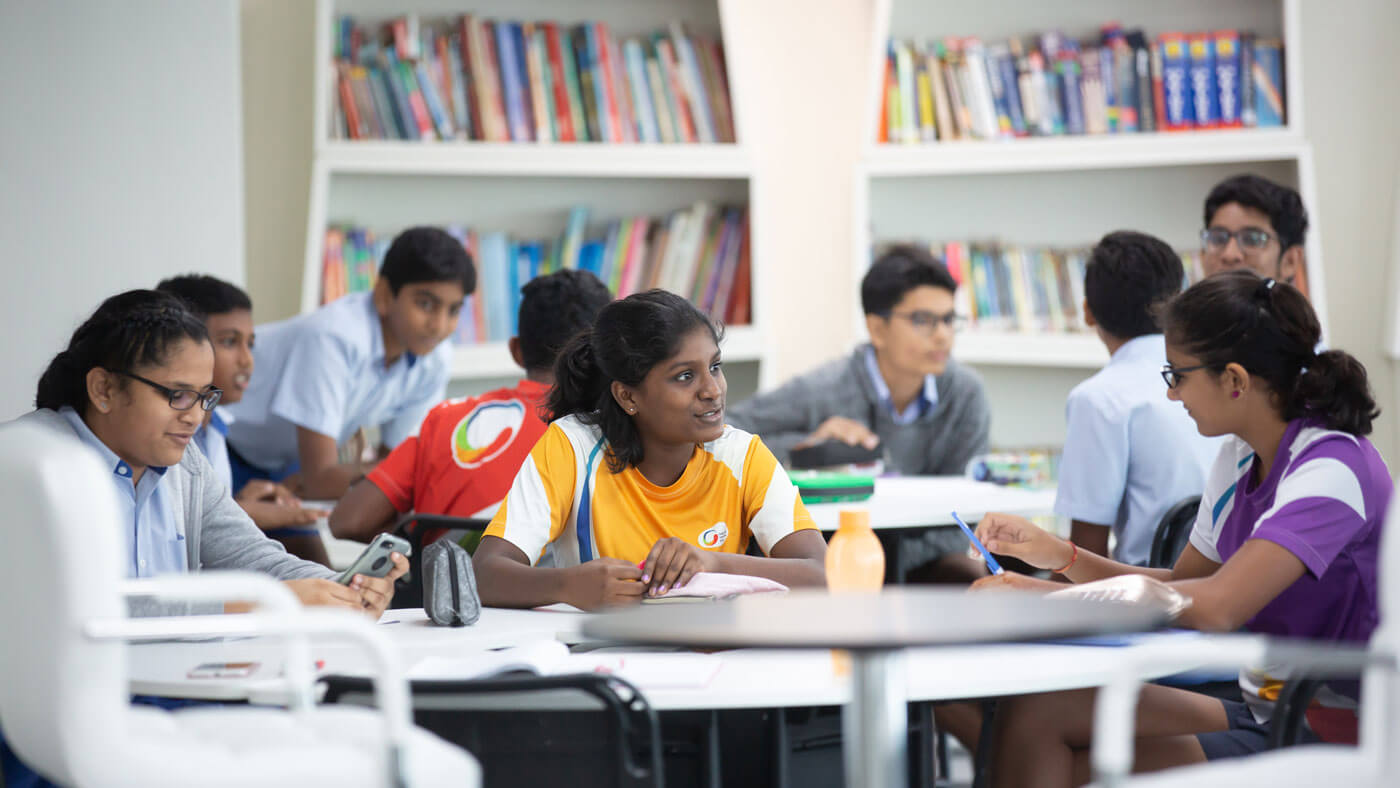
If you’re wondering what is inclusive education; it is students from all walks of life different abilities, backgrounds, and learning styles sharing the same classroom.
They are not separated based on their differences. Instead, the school adapts its teaching to suit all kinds of learners.
“Inclusive education is not a privilege. It is a fundamental human right.”
– Ban Ki-moon, Former UN Secretary-General
Here’s what that looks like in action:
- A child with dyslexia may use speech-to-text tools.
- A student with ADHD might be allowed regular breaks.
- Someone who speaks a different language may get language support in class.
But no one is pulled out or isolated. That’s the heart of inclusive education learning together, side by side.
Remember what George Evans said: “Every student can learn, but just not on the same day or in the same way.”
Why Schools Must Be Inclusive Today
There’s a strong need of inclusive education in modern classrooms. Students don’t come in one size or type they come with different strengths, challenges, and needs.
Think about this:
According to UNESCO’s 2021 State of Education Report for India, about 1.7% of children in the country live with a disability. But worryingly, only around 61% of those aged 5 to 19 are enrolled in any form of schooling.
These students shouldn’t be left on the edge of the learning experience.
The importance of inclusive education also extends beyond just learning the curriculum. It teaches students valuable life lessons like how to:
- Respect differences
- Show empathy
- Work as a team with people who think and act differently
Breaking Barriers, Not Children
The concept of inclusive education isn’t about lowering academic standards. It’s about removing the things that make learning harder for some students.
That could mean:
- Installing ramps and lifts
- Using visual aids and hands-on activities
- Providing flexible seating or classroom layouts
Teachers play a key role. They try different approaches to reach more students and make sure everyone feels they can succeed. When the message is, “You’re welcome here, and we’ll help you learn,” the whole school community becomes stronger.
What Makes an Inclusive Classroom Work
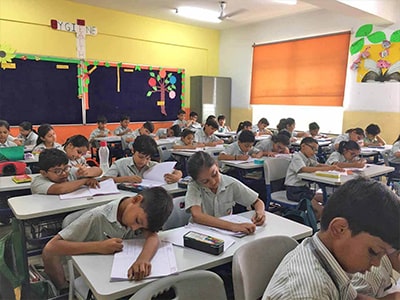
In an inclusive classroom, no one feels like an outsider. Everyone is treated with respect and given the chance to contribute.
The characteristics of inclusive education include:
- Fairness in treatment: Equal chances, not equal rules.
- Flexibility in teaching: Multiple ways to teach the same idea.
- Support for teachers: Training and time to plan inclusive lessons.
- Family involvement: Schools and parents working as a team.
Here’s a quick comparison:
| Inclusive Classroom | Traditional Classroom |
| Mixed learning needs together | Students often separated by ability |
| Lessons adapted to learners | One-size-fits-all teaching |
| Builds emotional safety | Focus mainly on academics |
| Encourages teamwork | Focuses on individual work |
Inclusive classrooms also feel emotionally safe. Students aren’t just learning maths or reading—they’re learning how to value others and be kind.
How Inclusion Helps Everyone
The benefits of inclusive education go far beyond academic results. When students of all abilities learn together, everyone gains something.
For students with learning or physical challenges:
- They feel more confident.
- They’re more likely to stay engaged.
- They build stronger friendships.
For their peers without disabilities:
- They learn acceptance and compassion.
- They see people for their abilities, not their differences.
And teachers?
- They grow professionally.
- They learn new strategies to help all learners succeed.
In short, inclusion lifts the whole classroom.
Why This Matters So Much
We can’t talk about the future of learning without talking about the importance of inclusive education. It’s how we build schools and societies where no one is left out.
The need of inclusive education isn’t about checking a box. It’s about students. Real kids who want to feel seen and supported. Real teachers who want to do the right thing. Real families hoping their children can learn with dignity.
When schools say, “You matter here,” and mean it that’s where true learning begins.
Let’s Advocate for Equal Chances, Always!
The introduction of inclusive education is more than placing students in the same room. It’s about ensuring every child has a fair go no matter their background or ability.
“It shouldn’t matter how slowly a child learns. But what matters is that we encourage them to never stop trying.” Robert John Meehan
Here’s what we can all do:
- Start conversations about inclusion.
- Share stories and facts.
- Encourage schools to adapt and evolve.
Together, with GIIS Ahmedabad we can make inclusive education the standard—not the exception.
 Ahmedabad Campus




![Global Montessori Programme [GMP]](https://globalindianschool.org/ahmedabad/wp-content/uploads/2023/09/l1.png)