This blog offers easy and practical tips to help children improve their communication, build confidence, and share their ideas clearly at home and school.
Communication helps children share their thoughts, feelings, and ideas with confidence. It is not only about speaking well, but also about listening, understanding, and responding clearly. Strong communication skills for kids support learning, friendships, and everyday interactions, both inside and outside the classroom.
From conversations at home to group activities at school, child communication development begins at a young age. These experiences help children build vocabulary, express emotions, and interact comfortably with others. When children feel confident communicating, they are more likely to ask questions, take part in discussions, and build healthy relationships.
Focusing on early communication skills helps children grow into confident learners and socially aware individuals. With simple guidance and regular practice, communication can become a natural and positive part of a child’s daily life.
To help children better, it’s important to know how their communication skills grow at different ages.
Understanding Communication Development in Children
Communication development begins early and grows through everyday interaction. Early communication skills include listening, understanding, expressing thoughts, and responding to others. These skills help children connect with people and share ideas confidently.
Children communicate in both verbal and non-verbal ways. While words help express thoughts, gestures, facial expressions, and body language also play an essential role. As children grow, child communication development improves naturally through conversations, play, and classroom interaction.
Every child learns to communicate at their own speed. Some talk early, while others take longer. What’s important is to offer support, be patient, and encourage them appropriately, rather than imposing strict expectations.
Common Communication Challenges Children Face Today
Many children face communication challenges during their growing years. These challenges are often subtle and may not always be noticed immediately. Understanding them helps parents and teachers provide appropriate support early.
Some common challenges include:
- Hesitation to speak, especially in group settings or classrooms
- Limited vocabulary, making it harder for children to express their thoughts clearly
- Fear of judgment, which can stop children from sharing ideas or asking questions
- Over-dependence on screens, reducing real-life conversations and interaction
- Difficulty expressing emotions or opinions, leading to frustration or withdrawal
If these issues aren’t dealt with early, they can affect children’s participation in class, confidence, and friendships. Understanding these signs helps build a supportive environment where kids feel safe to talk and improve their skills.
The 9 Proven Strategies
To overcome these communication challenges, children need consistent support and everyday practice. The following strategies focus on simple, practical actions that help children speak with confidence, listen attentively, and express their thoughts clearly.
Strategy 1: Encourage Everyday Conversations at Home and School
Regular conversations play a key role in building strong communication skills for kids. Children learn best when they feel comfortable sharing their thoughts without fear of being corrected or judged. Simple daily interactions help children practise speaking, listening, and responding naturally.
How parents and teachers can support this:
- Ask open-ended questions instead of questions with yes or no answers
- Give children time to think and respond without interruption
- Show interest by listening attentively and maintaining eye contact
- Encourage children to talk about their day, feelings, or ideas
At home, casual talks during meals or daily routines give children safe opportunities to share. At school, group discussions help them learn to speak clearly and listen. When conversations happen often, children become more confident and comfortable talking in different situations.
Strategy 2: Strengthen Listening Before Speaking
Good communication begins with listening. When children learn to listen carefully, they understand others better and respond more clearly. Strong listening habits also support social skills for students, helping them take turns, follow instructions, and respect different opinions.
Children often speak before fully understanding what they are saying. Gentle guidance can help them slow down and focus on listening first.
Simple ways to build listening skills include:
- Encouraging children to wait until someone finishes speaking
- Asking them to repeat or explain what they heard in their own words
- Reading stories aloud and discussing the main ideas together
- Practising quiet attention during conversations and activities
By strengthening listening skills early, children become more confident speakers over time. They learn to think carefully, work well in groups, and speak clearly and politely.
Strategy 3: Introduce Storytelling and Reading Aloud
Stories help children feel comfortable speaking without feeling pressured. When they discuss stories, they concentrate on ideas instead of worrying about mistakes, which boosts their confidence and understanding.
Simple ways to use storytelling and reading include:
- Reading aloud together and discussing the story
- Asking children to describe a favourite character or scene
- Encouraging them to retell a story in their own words
- Letting children create their own short stories
These activities gently improve speaking skills for children by helping them organise thoughts, use new words, and express ideas clearly. Regular storytelling builds confidence and makes speaking feel natural.
Strategy 4: Focus on Vocabulary Building through Daily Activities
Vocabulary grows best through regular conversation and real-life experiences. Everyday moments offer many chances for vocabulary building for kids without making learning feel forced.
Easy ways to build vocabulary daily include:
- Naming objects and actions during routine activities
- Describing surroundings while travelling or playing
- Talking about feelings and daily experiences
- Repeating new words naturally in conversation
When children hear and use words in meaningful situations, they understand them better. A simple vocabulary helps children speak more clearly and confidently at school and in social situations.
Strategy 5: Use Play-Based Language Development Activities
Children communicate best when learning feels like play. Games and playful activities reduce pressure and help language develop naturally.
Simple play-based activities that support communication include:
- Role play and pretend games that encourage dialogue
- Board games that involve turn-taking and conversation
- Group activities where children explain rules or ideas
- Action-based games where children describe what they are doing
These language development activities help children practise speaking, listening, and responding without realising they are learning. Play also encourages children to use new words, express emotions, and interact confidently with others. When communication is fun, children participate more and improve their language skills.
Strategy 6: Encourage Group Interaction and Collaboration
Group activities give children natural opportunities to communicate with others. Working together helps children learn how to share ideas, listen to different opinions, and respond respectfully. This plays an essential role in developing social skills for students.
Simple ways to encourage group communication include:
- Group discussions and classroom activities
- Team projects where children share responsibilities
- Games that require cooperation and turn-taking
- Activities where children explain ideas to peers
Regular interaction helps children feel more at ease sharing their thoughts with others. It teaches them patience, empathy, and confidence, which are important for their social and academic growth.
Strategy 7: Support Emotional Expression through Communication
Children often struggle to express emotions in words. Helping them talk about feelings supports both communication and emotional well-being.
Ways to encourage emotional expression include:
- Talking openly about emotions during daily conversations
- Encouraging children to name how they feel and why
- Listening without interrupting or correcting immediately
- Validating emotions before guiding responses
When children feel understood, they communicate more openly. Expressing emotions clearly helps children manage feelings, build stronger relationships, and develop confident communication habits over time.
Strategy 8: Create Safe Opportunities for Children to Speak in Front of Others
Speaking in front of others can feel difficult for many children. Creating safe and supportive opportunities helps reduce fear and build confidence over time.
Simple ways to support confident speaking include:
- Show-and-tell activities in class or at home
- Letting children share opinions during discussions
- Encouraging short presentations in small groups
- Appreciating effort rather than correcting mistakes
These experiences help improve speaking skills for children by making public communication feel normal and manageable. When children feel supported, they are more willing to express ideas clearly and confidently.
Strategy 9: Choose Learning Environments That Encourage Open Communication
A child’s learning environment plays a strong role in communication development. Schools that encourage discussion, collaboration, and expression help children practise communication daily.
Supportive environments usually offer:
- Interactive classroom discussions
- Opportunities for group work and presentations
- Respect for different opinions and ideas
- Teacher guidance that encourages participation
Such settings help children communicate confidently with peers and adults. Learning environments like those in International schools in Ahmedabad, Bangalore, or Noida often focus on interaction and expression. This helps children strengthen communication skills as part of everyday learning.
Role of Teachers and Parents in Building Strong Communicators
Strong communication skills develop when children receive the right support from both home and school. Parents and teachers play an important role in shaping how children listen, speak, and express themselves every day.
Consistent encouragement
Children communicate better when they feel encouraged regularly. Simple appreciation for effort, even when mistakes happen, helps children feel confident speaking and sharing ideas. Regular encouragement motivates children to participate more in conversations at home and school.
Patience and positive reinforcement
Each child learns to communicate at their own speed. Being patient and giving positive feedback makes them feel safe while learning. Gentle guidance is more helpful than frequent corrections, as it allows their communication skills to grow naturally.
Avoiding comparison and pressure
Comparing children to others can lower their confidence and make them hesitant. When kids are allowed to communicate in their own way and at their own speed, they feel less pressure and are more likely to share their thoughts openly.
Home–school alignment
When parents and teachers use similar approaches, children get consistent support. Good communication between home and school helps children practice the same skills in both places, making it easier for them to develop.
Why the Right School Environment Makes a Difference
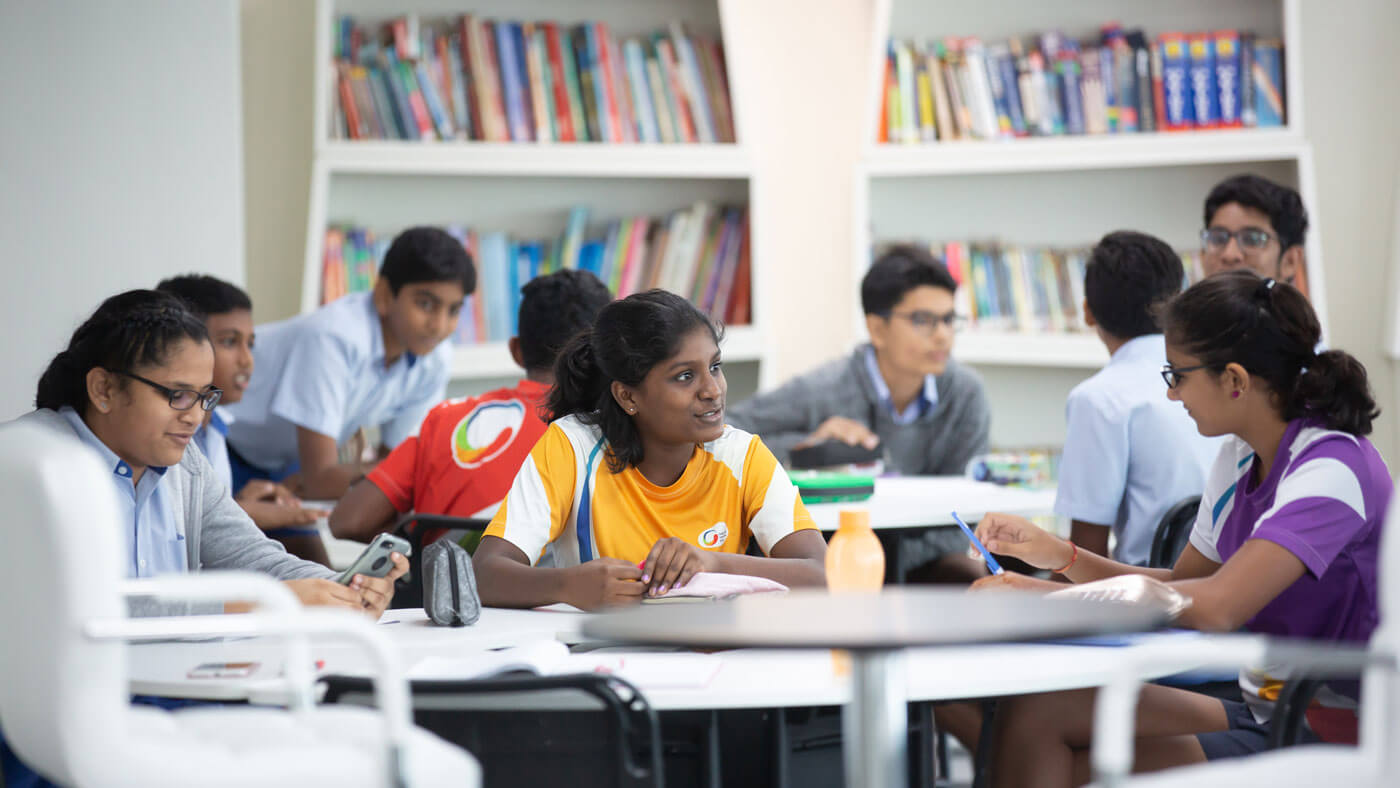
The way a school functions every day has a strong impact on how children communicate. When learning spaces promote interaction, children feel more at ease speaking, listening, and sharing ideas.
In classrooms that encourage discussions, children often get chances to share their ideas. Asking questions, joining group activities, and sharing opinions help communication grow naturally without pressure.
Peer interaction also plays an important role. Talking with classmates every day helps children learn to listen, answer, and respect others’ opinions. Over time, this builds confidence and improves communication clarity. A supportive teacher approach further strengthens this by guiding conversations and encouraging participation.
Learning environments in International Schools often focus on interaction, collaboration, and open communication. This direction helps children practise communication skills regularly, making them confident speakers both in and out of the classroom.
Conclusion: Helping Children Communicate with Confidence
Communication is a skill that stays with children throughout life. Strong communication skills for kids support learning, relationships, and emotional growth, helping children express ideas with confidence and clarity. When communication starts early, children are more at ease talking, listening, and interacting with others daily.
Small daily efforts make a lasting difference. Simple conversations, patient listening, and regular interaction play an essential role in child communication development. These moments help children build confidence, expand vocabulary, and express emotions clearly. Focusing on early communication skills allows children to grow into confident learners and thoughtful communicators.
In classrooms where students interact and express themselves daily, communication happens naturally. At Global Indian International School, we see communication as an essential part of a child’s overall development. Through supportive teaching approaches and interactive learning, we aim to help children find their voice and use it with confidence, both in school and beyond.
FAQ's
1. What are some effective language development activities for children?
Simple language development activities include reading aloud, storytelling, role play, and everyday conversations. These activities help children listen, understand, and communicate clearly.
2. How can parents support vocabulary development at home?
Vocabulary building for kids can be supported through regular conversations, reading together, and describing daily activities. Using new words in everyday situations helps children learn what they mean and remember them better.
3. Why are social skills important for students in school?
Strong social skills for students help children communicate respectfully, work in groups, and build positive relationships. These skills support classroom participation, teamwork, and confidence in social situations.
4. How can speaking skills for children be improved naturally?
Speaking skills for children improve when they are encouraged to share ideas, ask questions, and speak without fear of mistakes. Activities like telling stories, talking, and giving presentations in a supportive setting help build confidence and understanding.
 Ahmedabad Campus






![Global Montessori Programme [GMP]](https://globalindianschool.org/ahmedabad/wp-content/uploads/2023/09/l1.png)