Key Highlights
- Parental involvement helps children do better in school and get used to new learning environments.
- Understanding how international schools function helps parents support consistent child success
- Strong communication, adaptability, and participation are essential for achieving long-term academic excellence
- A balanced focus on academics, activities, and emotional well-being supports overall development
- Choosing the right primary school in Ahmedabad and support at home help children grow.
Starting at an international school can be an exciting step for a child, but for many parents, it also brings a few concerns. Will my child be able to adjust? Will they keep up with the curriculum? How can I support them better?
With the growing popularity of international schools, more families are choosing global education for its focus on skills, exposure, and overall development. However, success in such an environment is not just about the school; it also depends on the support children receive at home.
International schools follow a different approach to learning. They encourage independent thinking, participation, and adaptability. While this creates great opportunities for children’s success and long-term academic excellence, it can also feel new and challenging at first.
This is where parents play an important role. The right guidance, encouragement, and involvement can make a significant difference in how well a child adapts and performs.
In this blog, we will explore simple, effective ways for parents to support their child’s academic performance and help them thrive in an international school environment.
Understand the International School Culture
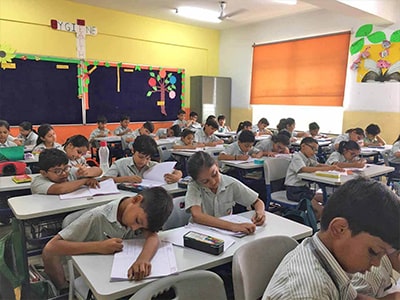
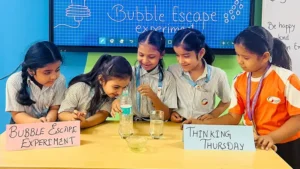
One of the first things parents notice in international schools is that the learning environment feels different. Classrooms are more interactive, with discussions encouraged and students sharing their ideas freely.
For many children, this shift can take time.
Instead of focusing only on results, international schools focus on how a child learns, questions, collaborates, and thinks independently. This is where parents can make a big difference by helping their child understand and adapt to this new culture.
What can parents do?
- Talk to your child about their classroom experiences regularly
- Encourage them to ask questions and participate in discussions
- Help them understand that making mistakes is part of learning
When children begin to feel comfortable in this environment, their confidence grows naturally. This plays an important role in improving overall school performance and helping them adjust more smoothly.
Encourage Adaptability and Flexibility
Children don’t struggle because they can’t learn.
They struggle because the way of learning changes.
In international classrooms, teaching methods can shift, projects instead of tests, discussions instead of lectures, and collaboration instead of individual work. For a child, this can feel unfamiliar at first.
What usually changes for a child?
| Earlier Learning Style | International School Approach |
| Fixed instructions | Open-ended tasks |
| Memorising answers | Understanding concepts |
| Individual work | Group collaboration |
| One correct answer | Multiple perspectives |
This shift is where adaptability becomes important.
Children who learn to adjust to new methods gradually become more confident in handling uncertainty. Instead of feeling stuck, they begin to explore and try.
For parents, the focus should not be on “getting it right immediately,” but on helping the child stay open to new ways of learning.
Support Language Development
In an international school environment, language plays a central role in how children learn, interact, and perform.
A child may understand concepts well but still struggle to express them clearly. This gap can affect participation, confidence, and overall school performance.
What helps here is not extra pressure, but consistent practice in simple ways.
At home, this can look like:
- Encouraging your child to explain what they learnt in their own words
- Asking open-ended questions instead of yes/no answers
- Creating a comfortable space where they can speak without fear of mistakes
Over time, this improves both clarity and confidence. As children become more comfortable using language, they begin to engage more actively in class, and that is where real progress begins.
Build Strong Relationships with Teachers
A child’s progress improves when parents and teachers work as a team, not separately.
Research by the Harvard Family Research Project shows that consistent parent–teacher engagement leads to better academic outcomes, improved behaviour, and higher student confidence.
What this looks like in practice:
| What Parents Do | What It Creates for the Child |
| Stay in regular touch with teachers | Better understanding of strengths & gaps |
| Attend meetings and school updates | Consistency between home and school |
| Share observations about the child | More personalised learning support |
| Acknowledge feedback positively | Confidence and willingness to improve |
When this connection is strong, children feel supported from both sides. They are more comfortable asking questions, improving on feedback, and staying consistent in their efforts.
Over time, this directly contributes to better academic excellence and overall child success.
Encourage Extracurricular Engagement
Not everything important happens inside a classroom.
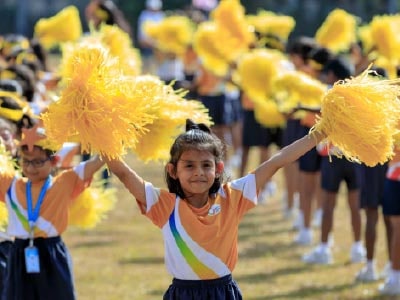
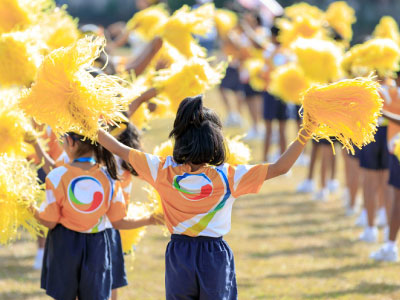
- Sometimes, confidence is built on a stage.
- Sometimes, leadership begins on a sports field.
- Sometimes, creativity shows up in art, music, or performance.
International schools place strong value on activities beyond academics and for good reason.
Research by the Education Endowment Foundation (EEF) suggests that participation in extracurricular activities can improve students’ motivation, teamwork skills, and overall engagement with learning.
When children take part in these experiences:
- They learn how to work with others
- They discover their interests and strengths
- They become more confident in expressing themselves
For parents, this is not about adding more to a child’s schedule; it is about giving them space to grow beyond textbooks.
And often, these experiences play a quiet but powerful role in shaping children’s long-term success.
Emphasise Holistic Education
Academic success is important, but it is only one part of a child’s growth.
In international schools, equal importance is given to how a child feels, interacts, and develops as a person. Confidence, teamwork, and emotional balance are built alongside academics.
Think of it as three areas growing together:
- Mind → understanding concepts and learning effectively
- Social → working with others and building relationships
- Self → confidence, resilience, and emotional strength
When these areas are supported together, children perform better not just in studies, but in everyday situations as well.
For parents, this means looking beyond marks and recognising progress in behaviour, confidence, and overall development, key drivers of long-term child success.
Foster Critical Thinking and Independent Learning
At some point, children need to move from “What should I do?” to “How can I determine this?”
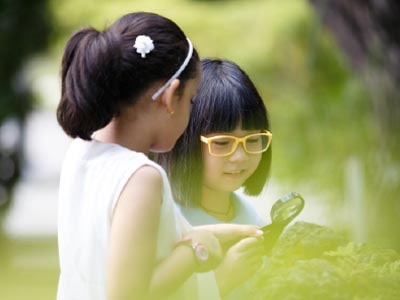
International schools encourage this shift early. Students are expected to ask questions, explore ideas, and take ownership of their learning.
This does not happen overnight, but small changes can support it.
Instead of giving direct answers, parents can:
- Ask “What do you think?”
- Encourage children to explain their reasoning
- Allow them to try, make mistakes, and improve
Over time, children become more confident in making decisions and solving problems on their own.
This ability to think independently plays a major role in improving school performance and building readiness for future challenges.
Ensure Regular Feedback and Monitoring
Success in an international school is not about one big result; it is built through little, consistent progress.
Instead of waiting for report cards, it helps to check in regularly.
A quick parent check could look like this:
- Is my child able to explain what they learnt this week?
- Are they comfortable participating in class?
- Do they understand the feedback given by teachers?
- Are they improving, even in small ways?
These simple questions give a clearer picture than marks alone.
When parents stay aware of these everyday signals, they can support their child at the right time, whether it is guiding, encouraging, or just listening.
This kind of consistent attention helps build steady progress and supports long-term academic excellence.
What Truly Makes the Difference
Every child’s journey in an international school is different. Some adapt quickly, while others take longer. What matters most is not the pace but the support they receive along the way.
When parents stay involved, understand the learning approach, and create a positive environment at home, children begin to grow with more confidence and clarity. Over time, this reflects in how they participate, learn, and perform.
Success in such environments is not driven by pressure; it is built through consistency, encouragement, and the right guidance.
In schools like Global Indian International School Ahmedabad (GIIS), this approach is further strengthened through a learning environment that balances academics, skills, and overall development. When school and home work together in this way, children are able to move forward with confidence and purpose.
For parents considering options among International Schools in Ahmedabad, GIIS combines the right school environment with steady support at home, which can make a meaningful difference in a child’s school performance and long-term child success.
FAQs
- How can parents support their child’s success in an international school?
Parents can support their children’s success by staying involved, encouraging open communication, and helping them adapt to new learning styles and expectations.
- How do international schools support overall development?
They focus on academics, skills, and emotional growth together, helping children build confidence, independence, and long-term success.
- What should parents look for in primary schools in Ahmedabad?
Parents should look for a balanced curriculum, experienced teachers, and a supportive environment when choosing among primary schools in Ahmedabad.
- Do extracurricular activities help in academic excellence?
Yes, extracurricular activities improve confidence, teamwork, and focus, which indirectly support academic excellence.
- How can parents select the right international school?
Parents should consider the teaching approach, curriculum, and overall environment to ensure the school supports both academic excellence and personal growth.
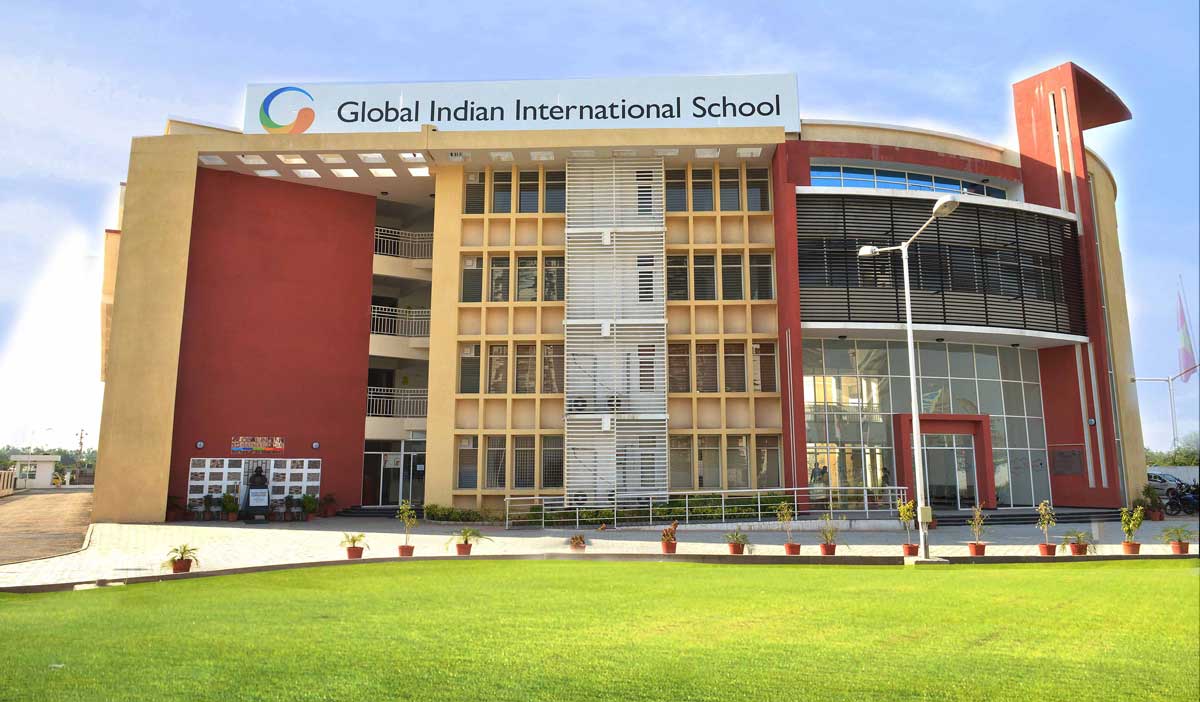 Ahmedabad Campus



![Global Montessori Programme [GMP]](https://globalindianschool.org/ahmedabad/wp-content/uploads/2023/09/l1.png)