Key Highlights
- Raising preschoolers comes with common challenges like tantrums, picky eating, sleep issues, and screen time management
- Using the right effective parenting techniques helps parents handle these challenges with patience and consistency
- Building routines and setting clear boundaries supports better behaviour and emotional development
- Social skills, communication, and independence develop gradually during the preschool years
- Simple and practical tips on parenting can make daily situations easier and less stressful
The preschool years, typically between ages 3 to 5, are a time of rapid growth and change for children. During this stage, they begin to explore the world around them, develop new habits, and express their emotions more clearly. While this phase is exciting, it can also be challenging for parents.
Raising preschoolers often comes with daily struggles that require patience, understanding, and the right approach. From handling emotional outbursts to building routines, parents need to adapt constantly as their child grows.
This is where a practical parenting guide becomes helpful. By understanding common challenges and using the right effective parenting techniques, parents can support their child’s development while creating a positive and balanced home environment.
In this blog, we will explore the most common challenges faced when raising preschoolers and share simple, actionable parenting tips to handle them with confidence.
Common Challenges Parents Face While Raising Preschoolers
Managing Tantrums
Tantrums are one of the major problems that parents struggle with while raising preschoolers. This is because toddlers are still learning how to communicate their feelings, which can result in tantrums like crying or screaming.
It is just that children feel frustrated and have no way to communicate their needs or requirements effectively yet.
Why tantrums happen:
- Difficulty expressing feelings
- Frustration when needs are not met
- Tiredness or hunger
- Desire for attention or independence
Simple ways to manage tantrums:
- Stay calm and avoid reacting immediately
- Acknowledge the child’s feelings (“I understand you’re upset”)
- Set clear but gentle boundaries
- Distract or redirect attention when possible
Using effective parenting techniques can help parents handle tantrums patiently while teaching children to better manage their emotions.
Picky Eating Habits
Many parents struggle with getting their child to eat a balanced meal. During the preschool years, children often become selective about food, refusing certain items without a clear reason.
This phase is common and usually linked to a child’s growing sense of independence. They want to make choices, even about what they eat.
Instead of forcing food, a better approach is to make mealtimes more relaxed and positive.
What usually works better:
- Offer small portions and allow second servings
- Introduce new foods slowly alongside familiar ones
- Keep a consistent meal schedule
- Avoid turning meals into a battle
Over time, children tend to become more open to trying different foods when they are not pressured.
These simple tips on parenting can help build healthy eating habits without creating stress for both parents and children.
Sleep Issues
Sleeping may be a challenge for children on a day-to-day basis during the preschool stage. While some kids do not fall asleep easily, others find it difficult to stay asleep throughout the night.
At this age, children may delay going to sleep due to excitement, fear of missing out, or simply wanting more time with their parents.
A consistent sleep routine can make a big difference.
Common sleep challenges include:
- Delaying bedtime
- Night waking
- Fear of darkness or being alone
What can help:
- Fix a regular sleep schedule
- Create a calming bedtime routine (Storytime, dim lights)
- Avoid screens before bedtime
- Keep the sleep environment quiet and comfortable
Small, consistent habits can improve sleep quality and support better overall development while raising preschoolers.
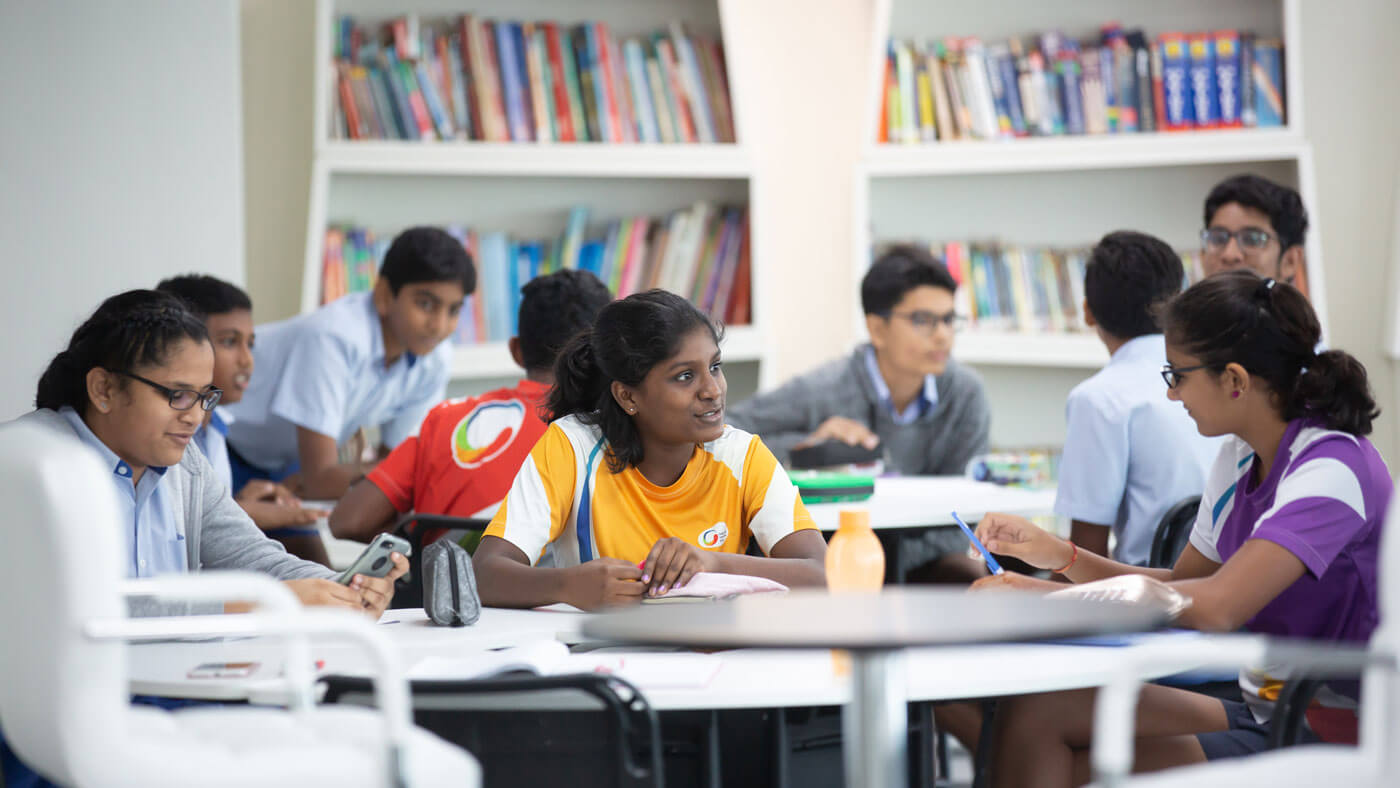
Developing Social Skills
Preschool is a very important place where the child meets other children for the first time and learns about sharing and turn-taking.
Shyness and difficulty socialising are very common among children at this age, as they are still learning to interact with others.
What social development looks like at this stage:
- Learning to play with others
- Understanding basic rules
- Expressing feelings in words
How parents can support:
- Encourage playdates or group activities
- Teach simple social behaviours through role-play
- Appreciate positive interactions
Research shows that early social skill development plays a key role in building confidence and emotional intelligence.
Using effective parenting techniques can help children become more comfortable and confident in social settings.
Screen Time Management
“Just 10 more minutes!”
This is something most parents hear daily. Managing screen time is one of the biggest challenges while raising preschoolers. Devices can be useful, but without limits, they quickly become a habit.
The real challenge is not just reducing screen time, but using it wisely.
What usually goes wrong:
- Screens become a default activity
- Meals and bedtime get linked with devices
- Children resist when screens are taken away
A better approach:
- Instead of saying “no”, try setting clear and consistent rules:
- Fix daily screen time limits
- Keep devices away during meals and before bedtime
- Offer alternatives like playtime or storytelling
Balance is key. The goal is to make screen time intentional, not automatic.
Discipline and Boundaries
Many parents struggle with how strict or flexible they should be. Saying “no” often leads to resistance, while being too lenient can create confusion for the child.
At this stage, children test limits to understand what is allowed and what is not.
Think of discipline like this:
| Too Strict | Balanced Approach | Too Lenient |
| Fear-based | Clear + calm rules | No structure |
| No flexibility | Consistent guidance | No boundaries |
What works best:
- Set clear rules and explain them simply
- Be consistent with consequences
- Appreciate good behaviour
Children feel more secure when they understand boundaries. Using the right effective parenting techniques helps create discipline without fear.
Separation Anxiety
It is common for preschoolers to feel anxious when separated from their parents, especially during school drop-offs or new situations. This can lead to crying, clinginess, or resistance.
While it may feel overwhelming, this behaviour is a normal part of emotional development.
What it usually looks like:
- Crying when parents leave
- Fear of being alone
- Difficulty adjusting to new environments
What helps ease the transition:
- Create a consistent goodbye routine
- Reassure the child that you will return
- Keep goodbyes short and positive
- Build familiarity with the new environment
With patience and the right effective parenting techniques, children gradually become more comfortable and independent.
Supporting Your Child Through the Early Years
The preschool stage is filled with small challenges that can feel overwhelming in the moment, but they are all part of a child’s natural growth. From managing tantrums to building routines and handling emotions, each phase offers an opportunity for learning for both children and parents.
There is no single perfect approach to parenting. What works best is a combination of patience, consistency, and understanding. By using effective techniques and simple, practical tips on parenting, parents can create a supportive environment where children feel safe, confident, and encouraged to grow.
Many parents also look for a parenting guide that extends beyond the home and into the school environment. Choosing the right early education setting plays an important role in shaping these formative years. Institutions like Global Indian International School, often recognised among the top preschools in Ahmedabad, focus on nurturing children through a balanced approach that supports emotional, social, and early learning development.
With the right support at home and school, raising preschoolers becomes a more positive and rewarding journey for both parents and children.
FAQs
- What are the biggest challenges when raising preschoolers?
The biggest challenges in raising preschoolers include managing tantrums, picky eating, sleep issues, screen time, and social skill development. These are common during early childhood development.
- What are effective parenting techniques for preschool children?
Effective parenting techniques include staying calm, setting clear boundaries, maintaining routines, and encouraging positive behaviour through praise and consistency.
- How can a parenting guide help parents of preschoolers?
A parenting guide helps parents by offering practical tips for dealing with various situations effectively.
- Why is routine important when raising preschoolers?
A daily routine helps children feel secure and understand expectations. It also improves behaviour, sleep patterns, and overall development when raising preschoolers.
- How to choose the top preschool in Ahmedabad for your child?
To choose the top preschool in Ahmedabad, parents should look for a balanced approach that integrates academics, play-based learning, and emotional and social development.
 Ahmedabad Campus






![Global Montessori Programme [GMP]](https://globalindianschool.org/ahmedabad/wp-content/uploads/2023/09/l1.png)