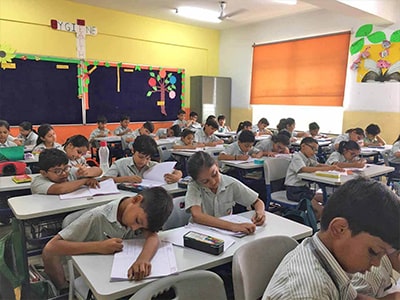
The education sector in India is at a critical juncture as it undergoes technology-driven transformation. The integration of the advanced technologies and digital tools is redefining how students learn and teachers teach. The Indian EdTech market is expected to approximately reach USD 29 billion by 2030; which signifies the impact of technology on education.
With more than 900 million internet users in 2025, the education sector may witness enhanced access to digital learning platforms. According to Forbes, 60% of educators have used AI in their classrooms. The case is no different in the top high schools in Ahmedabad like GIIS and many others.
Advanced technology is continuously emerging to reshape the educational domain. This not only offers various benefits but also presents various challenges. Understanding the technology effects on education is crucial to ensure success in the present dynamic times.
As India aims to become the global leader in the educational sector by 2047; the importance of technology cannot be overshadowed. Let us walk through the positive and negative effects of technology on education.
Positive Effects of Technology on Education
The positive effects of technology on education have transformed traditional classrooms into dynamic hubs of discovery. From virtual labs to AI tutors, students today are learning faster, smarter and more creatively than ever. With just a click, knowledge can be accessed across the globe, making education incredibly fun and interactive for all learners.
-
Enhanced Engagement and Interactivity
The advanced technology and the interactive tools like smartboards, educational apps and virtual simulations make learning more engaging. Technology is transforming the way information is presented, analysed and absorbed. Additionally, educational games and multimedia content captivate the attention of students to make learning more dynamic. As technology fosters a deeper understanding of knowledge; it caters to diverse learning styles of students.
-
Access to a Wealth of Information
The Internet serves as an expansive repository of knowledge. Students can access updated information, research materials and educational materials at their fingertips using the advanced technologies. This quick and seamless accessibility promotes learning and critical thinking.
-
Personalised Learning Experiences
Adaptive learning technologies cater to the individual learning paces and styles of different students. Many reputed and known CBSE schools in Ahmedabad now adjust content based on student performance using the latest technology. This ensures that every learner receives appropriate assistance and support.
-
Global Collaboration Opportunities
Technology bridges geographical gaps to enable students to collaborate with peers worldwide. The different collaborative platforms, video conferencing and learning management systems empower students to share their ideas and thoughts to engage in meaningful discussions. This develops communication and teamwork skills to enrich the learning experiences of students through diverse understanding.
-
Enhanced Learning Opportunities
The other appealing positive impact of technology on learning is to offer enhanced learning opportunities to the students. Thanks to the digital resources, online courses and educational apps, students get a seamless access to a wealth of information beyond textbooks. This enables students to learn and understand the subjects that interest them more deeply for a more personalised learning journey.
-
Preparation for Future Careers
The integration of technology into the educational domain equips the students with the essential and relevant digital skills. This technology literacy empowers students to adapt and thrive in the evolving technological landscape.
Adverse Effects of Technology on Education
It is not all screen time success and benefits of technology in education. From digital distractions to information overload, there are bad effects of technology as well. There are always some downsides to any technology; let us discuss the ones for the education sector.
-
Digital Divide
Not all students have equal access to technology. Disparities in internet connectivity and device availability can hinder the learning opportunities. This negative impact of technology particularly exists in underserved communities. According to the UNESCO report, more than 1.3 billion students worldwide still lack access to a reliable internet connection.
-
Decreased Personal Interaction
Over-using digital communication reduces personal interactions among students and between students and teachers. This shift may impact the development of social skills and also minimises the sense of community within educational settings.
-
Distraction and Issues of Attention
Technology surely enhances engagement but it also introduces the risk of distractions. Social media platforms, games and other online activities can divert the attention of students from the educational content. Also, multitasking during lectures can impair memory retention and learning outcomes. The educators must implement strategies to encourage responsible and focused use of technology in the classrooms.
-
Privacy and Security Concerns
The negative impact of technology on students also includes privacy and security concerns of student data. Schools often collect and store the sensitive information of students. This gives rise to the need for robust measures to safeguard the data against breaches and unauthorised access. Many recent incidents highlight vulnerabilities in educational data systems. Thus, striking the right balance between utilising technology for educational purposes and protecting student privacy should be the top priority.
-
Overdependence on Technology
Excessive reliance on technology diminishes the skills and learning of CBSE curriculum of the students. Students may become habitual to seek answers online which potentially hinders the development of analytical abilities and independent thinking.
How GIIS Ahmedabad Integrates Technology in Education?
At GIIS Ahmedabad, technology is seamlessly integrated into the learning experience of the students. The school employs a variety of advanced tools and methodologies to enhance student education.
- Interactive Classrooms: Classrooms are equipped with smart boards and digital tools to deliver interactive, thoughtful and engaging learning lessons.
- Virtual Learning Platforms: Students can leverage the positive impact of technology on education using the online resources and virtual learning platforms.
- STEM Education: The curriculum focuses on STEM learning to encourage creativity, innovation, critical thinking and problem-solving skills.
- Global Collaborations: Students collaborate with worldwide peers through virtual classrooms and global student exchange programs.
This initiative ensures that the students at GIIS Ahmedabad not only consume information but be its creators and innovators. We prepare our students for the challenges of the future.
Balancing the Use of Technology in Education
The role of technology in education is multifaceted. There are both appealing opportunities and negative implications of technology on education. Educators and teachers can create an enriching learning environment for the students by thoughtfully integrating technological and digital tools.
Schools can encourage active learning, monitor screen time, prioritise data security and implement digital literacy programs to ensure successful and desired results. Balancing innovation with caution will ensure that technology serves as a beneficial ally in the educational journey of every student.
 Ahmedabad Campus







![Global Montessori Programme [GMP]](https://globalindianschool.org/ahmedabad/wp-content/uploads/2023/09/l1.png)