The primary to middle school transition is a crucial step in every child’s education, with several changes in daily routines, academic expectations, and teaching approaches. This transition requires a child to adapt to subject-specific teaching, take greater responsibility for learning, and manage assignments. So what changes for a child moving from primary to middle school? Understanding this can help parents and guardians build their child’s middle school readiness and also ease the grade change.
How Does Learning Change for a Child from Grade 5 to 6?
Children in primary school develop foundational skills in languages, Science, Mathematics and other subjects through structured activities and guided lessons.
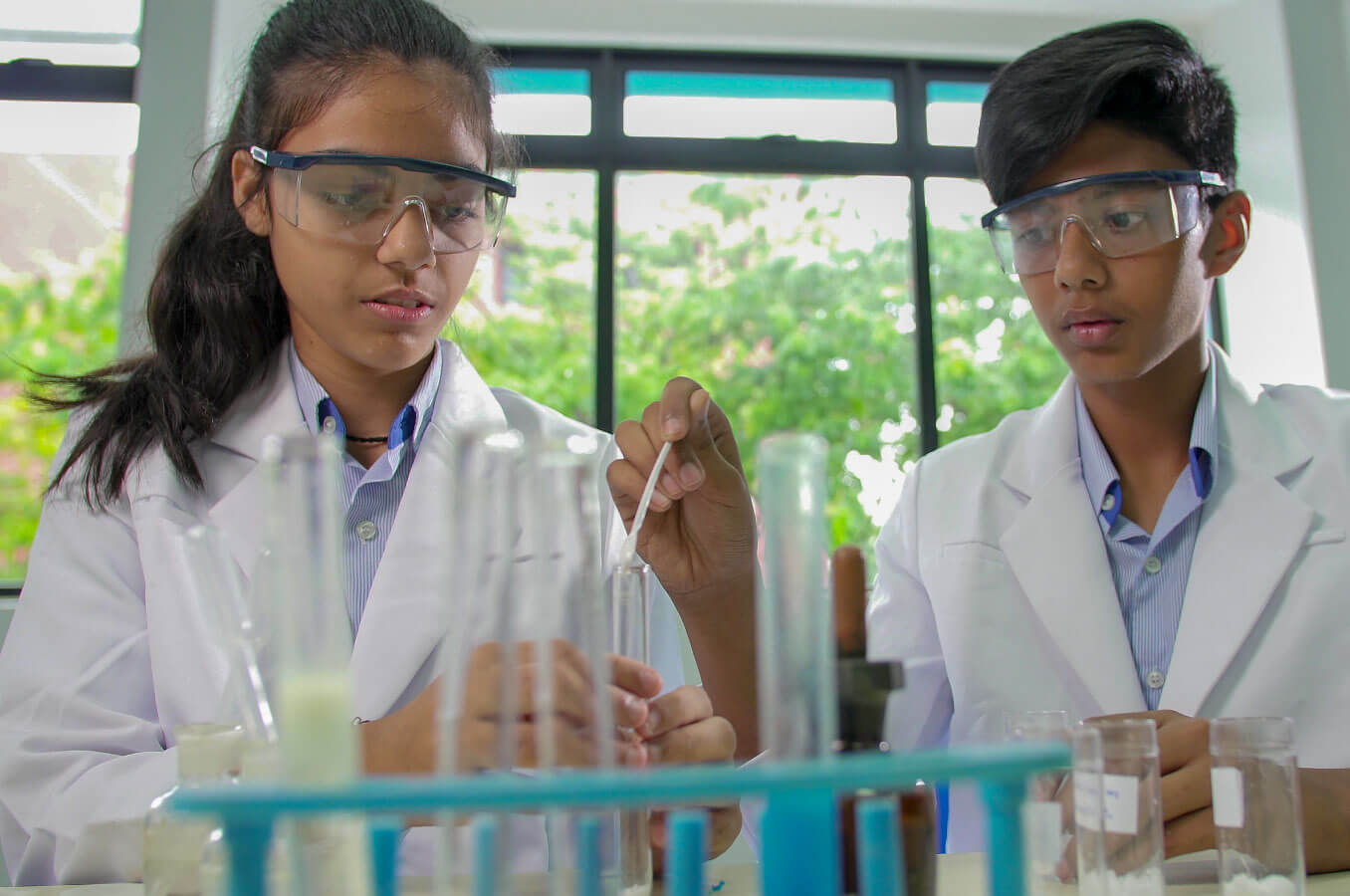
Learning in middle school becomes more subject-focused and detailed. Students are encouraged to solve problems, explain their reasoning, analyse information, and solve problems. Written assessments, projects, and practical activities may become common.
Subject Teachers vs. Class Teacher: The Change
Subject teacher vs. class teacher is one of the key differences. A class teacher in a primary school may teach various subjects and closely track a child’s progress. Students in middle school generally learn from teachers who specialise in individual subjects.
A child should learn to remember materials for each lesson, follow different instructions, approach teachers when they need help, and track homework deadlines. Parents and guardians may encourage these habits by helping their child organise their schoolbags independently and use a timetable.
How Do Assessments and Subjects Change?
In middle school, students experience a new kind of learning with a greater diversity in the approach of learning. Depending on the course outline, students learn subjects such as Mathematics, English, Social Studies, Sciences, Information Technology, language, physical education and arts.
Assessment includes practical exercises, tests, project work, presentation work, etc. Parents need to teach children how to consider feedback as an opportunity to improve instead of highlighting only on scores.
Why Does Independence Become So Important?
Middle school readiness includes more than academic expertise. Students begin to learn how to take charge of their responsibilities such as homework, deadlines, daily life, and revision.
Parents can assist their child prepare by encouraging the following practices:
- To keep a planner for assignments and exams
- To learn from their mistakes
- To keep books and stationery organised
- To independently attempt problems before seeking assistance
A child may require time to build these habits, so encouragement and consistent guidance remains important.
What Changes Emotionally and Socially?
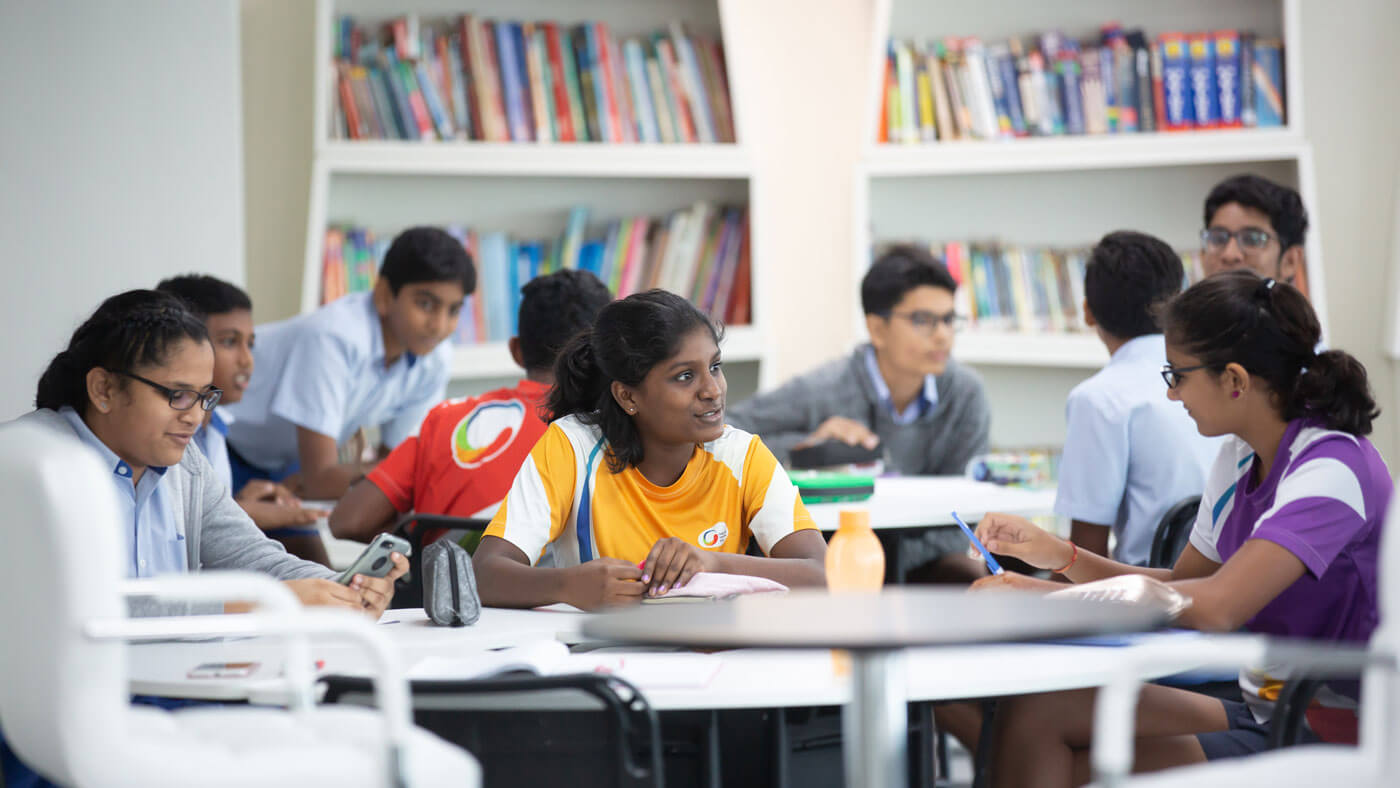
Moving to middle school may be accompanied by many new expectations, social connections, and procedural requirements. Some children may experience excitement, while others will be worried about the academic challenges they may face, their peers’ acceptance or mistakes they are liable to make. Parents should be helpful. They should inquire about their child’s day, motivate their child to look for help, and find time to listen to their concerns.
How Can Parents and Guardians Prepare Their Child for Middle School?
Parents and guardians do not require teaching Grade 6 syllabus beforehand. Rather, they can focus on building healthy routines and strengthening foundational skills.
- Encourage mental maths, reading, and revision
- Help children balance play, rest, hobbies, and homework
- Allow children to independently solve problems
- Encourage them to express doubts and ask questions
- Maintain physical activity routines and consistent sleep
Every child adjusts at their own pace. Positive feedback and realistic expectations can make the transition seamless.
Why Global Indian International School, Ahmedabad Stands Out?
Parents and guardians comparing middle school options may consider GIIS, Ahmedabad for its combination of skill development, academics, and extracurricular opportunities.
- CBSE Curriculum: Provides CBSE curriculum for Grades 6-10.
- Global Montessori Plus Programme: Blends modern early-years learning approaches and Montessori methods.
- MYGIIS Portal: Connects teachers and parents through student progress reports and school updates.
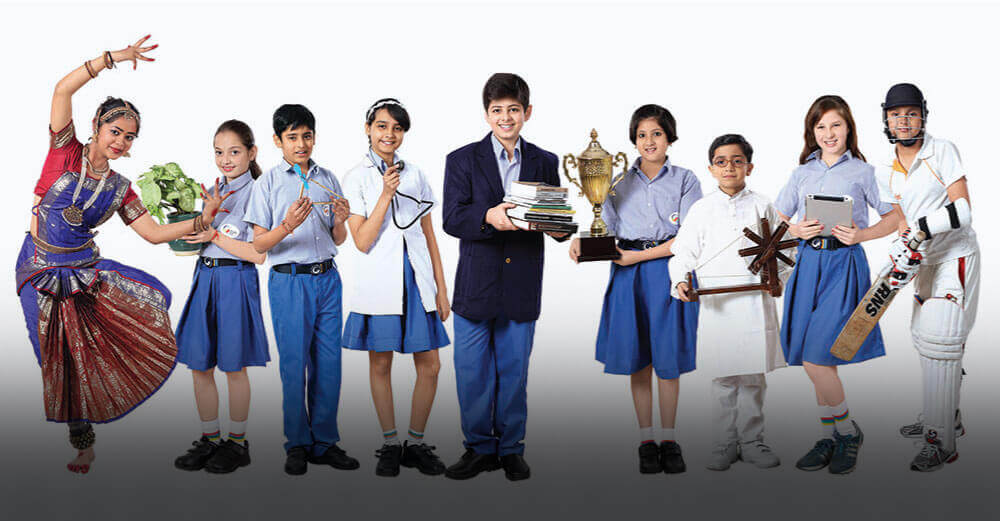
- 9GEMS Framework: Encourages academic, emotional, physical, creative, and social growth.
- GKE: Global Knowledge Exchange connects students with friends and peers across GIIS campuses in different countries through technology.
- University Connect: Supports students with college admissions and applications.
- Happiness Index: Helps measure student happiness and the effectiveness of school initiatives
- Safety and Well-Being: Age-appropriate support and campus protocols help younger children feel comfortable and secure.
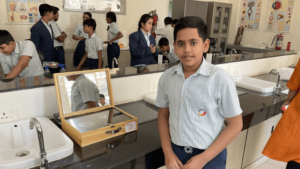
- Hands-on Learning: Activity-based spaces encourage active participation, exploration, and creativity.
Takeaway
Beginning of middle school life is the key to being independent both personally and academically. Understanding the Grade 5 to 6 change, developing organisation skills, and adjusting to different teachers will allow a child to adjust well with the right level of confidence. A supportive school environment coupled with right parental encouragement can make this process stress-free.
Enquire about a GIIS campus visit, check our official website, or talk to our admissions counsellor to explore the school’s curriculum, admission details, fees, facilities, and more.
FAQs
How does the learning experience differ when a child moves from primary to middle school?
The child has new teachers, studies more advanced subjects, encounters greater responsibility for managing time and doing homework, and different assessments. This transition also promotes independent thinking and better study habits.
What is the role of parents and guardians in facilitating this transition?
Before the beginning of the school year, they may facilitate independent homework, regular reading, open communication, and organisation. A consistent routine can help a child cope with new responsibilities.
Is grade 6 more difficult for a child than grade 5?
Often, Grade 6 requires both greater independence as well as deeper understanding. The level of difficulty depends on the curriculum, the child, and the available support. With timely guidance and regular practice, this change can be made easier.
What is the changing role of teachers in middle school?
Primary school learners can rely on one class teacher for all lessons, whereas middle school learners learn from multiple subject specialists. Learners begin to cope with varying demands and different teaching methods gradually.
What should parents and guardians look out for in a middle school?
They should consider several factors such as the curriculum, extracurricular activities, teacher support, student well-being, facilities, assessments, and teaching methodologies. A supportive environment can balance both academic progress with social as well as emotional development.
 Ahmedabad Campus