Education in India is evolving rapidly and the CBSE Board of Education continues to take bold steps to keep students future-ready. Recently, CBSE announced changes to the CBSE syllabus class 10 and CBSE syllabus class 12 for the academic year 2025–26. These updates are not just about trimming or expanding chapters; they are designed to make learning more practical, skill-oriented and aligned with the demands of the modern world.
At GIIS Ahmedabad, one of the best international schools in Ahmedabad, we believe in staying ahead of the curve by understanding these updates deeply and guiding students to adapt with confidence. Here’s everything you need to know about the upcoming syllabus changes and why they matter.
Why the CBSE Syllabus Is Changing?
The CBSE curriculum has always aimed to strike a balance between academics and life skills. But with rapid changes in technology, globalisation and new career opportunities, the CBSE Board felt it was time to update the way students learn.
The new changes emphasise –
- Reducing rote learning and encouraging critical thinking.
- More weightage on practical application and case studies.
- Skill-based subjects becoming central rather than optional.
- Integration of modern themes such as sustainability and digital literacy.
In short, the changes to the CBSE syllabus for classes 10 and 12 are designed to prepare students for not just exams; but for life beyond the classroom.
Key Updates in CBSE Syllabus Class 10 (2025–26)
The class 10 CBSE syllabus has undergone meaningful revisions to ease academic pressure while keeping the rigour intact.
- Mathematics and Science: More application-based problems and fewer repetitive questions. Expect experiments, real-life case studies and projects that make the subjects more engaging.
- Social Science: Chapters have been reorganised to give students a clearer understanding of contemporary issues like climate change, gender equality and governance.
- Languages: Greater emphasis on communication skills, comprehension and creative writing.
- Technology Integration: Digital projects and the use of ICT tools will now play a stronger role.
For parents exploring CBSE 10th admission, these changes mean your child will not just memorise formulas but actually learn to apply concepts in real-world scenarios.
Key Updates in CBSE Syllabus Class 12 (2025–26)
The CBSE syllabus for class 12 has seen equally important transformations, as this stage defines a student’s readiness for higher education and professional life.
- Sciences (Physics, Chemistry, Biology): Enhanced focus on laboratory work, research-based projects and data analysis.
- Mathematics: More emphasis on applied mathematics and statistics, which are highly valued in fields like economics, data science and engineering.
- Commerce: Practical modules in accountancy, economics and business studies to prepare students for higher studies in management and finance.
- Humanities: Expanded focus on psychology, political science and sociology to help students develop analytical skills.
These updates open doors to global opportunities, since the revised CBSE Curriculum is now more aligned with international standards.
What About the Class 11 CBSE Syllabus?
Though most attention is on board exam years, the class 11 CBSE syllabus has also been refreshed. The idea is to create a smooth transition between Classes 10 and 12 while encouraging exploration of subjects in depth. With more electives and skill-based learning, Class 11 now acts as a bridge year to explore interests before finalising career paths.
How GIIS Ahmedabad Celebrates the CBSE Advantage?
Parents often ask us: “What makes GIIS different from other schools?” The answer lies in our holistic approach. At GIIS Ahmedabad, we ensure these changes are seamlessly integrated into our teaching methodology. From interactive classrooms to advanced labs, we help students adapt to the new CBSE syllabus while nurturing creativity, problem-solving and leadership skills.
GIIS combines the updated CBSE syllabus with global teaching practices. Here’s how we prepare students for success:
- Personalised Attention: Small class sizes and one-to-one mentoring.
- Modern Infrastructure: Smart classrooms, innovation labs and digital learning tools.
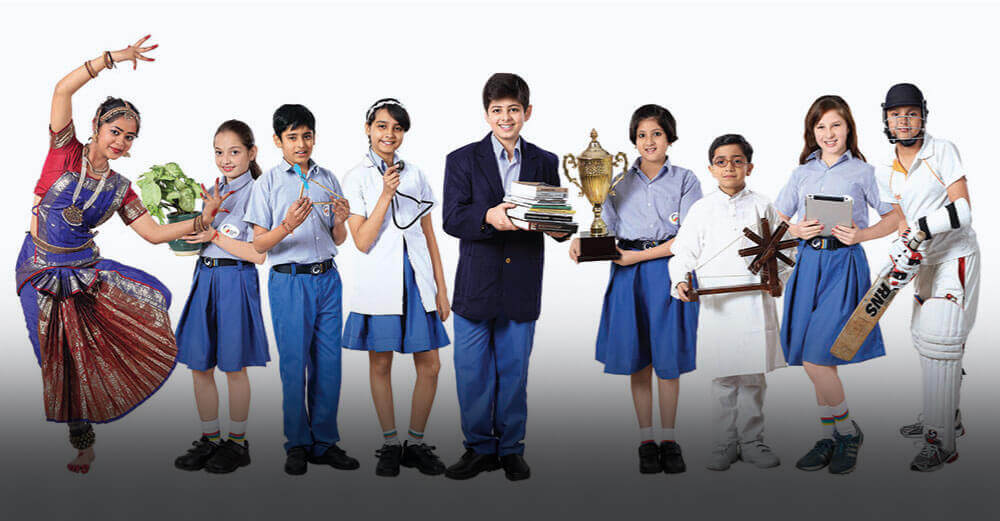
- Co-curricular Balance: From arts to sports, we encourage all-round development alongside academics.
- Global Opportunities: Exchange programmes and international collaborations ensure global exposure.
If your child is entering Class 10, Class 11 or Class 12, GIIS is well-equipped to make the most of the updated curriculum guidelines of the CBSE Board.
Looking Ahead
Education is changing and so are our children’s needs. With the refreshed CBSE Curriculum, your child’s academic journey should be future-ready and full of possibilities. The changes to the class 10 and 12 CBSE syllabus for 2025–26 reflect a forward-looking vision. It prioritises education that goes beyond textbooks and empowers students for the real world.
If you are exploring 10th or CBSE 12th admission or simply looking for higher secondary schools in Ahmedabad for holistic growth, GIIS Ahmedabad should be on your list. The right school isn’t just about keeping up with the syllabus; it’s about helping students thrive in every sphere of life.
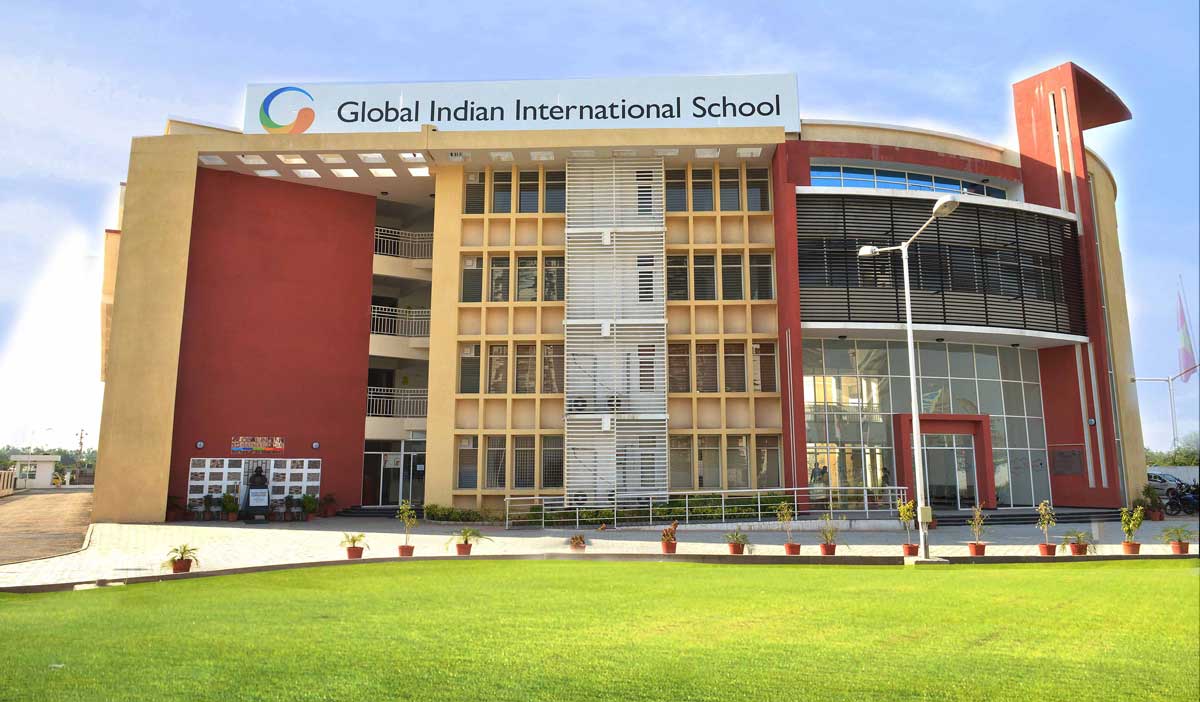 Ahmedabad Campus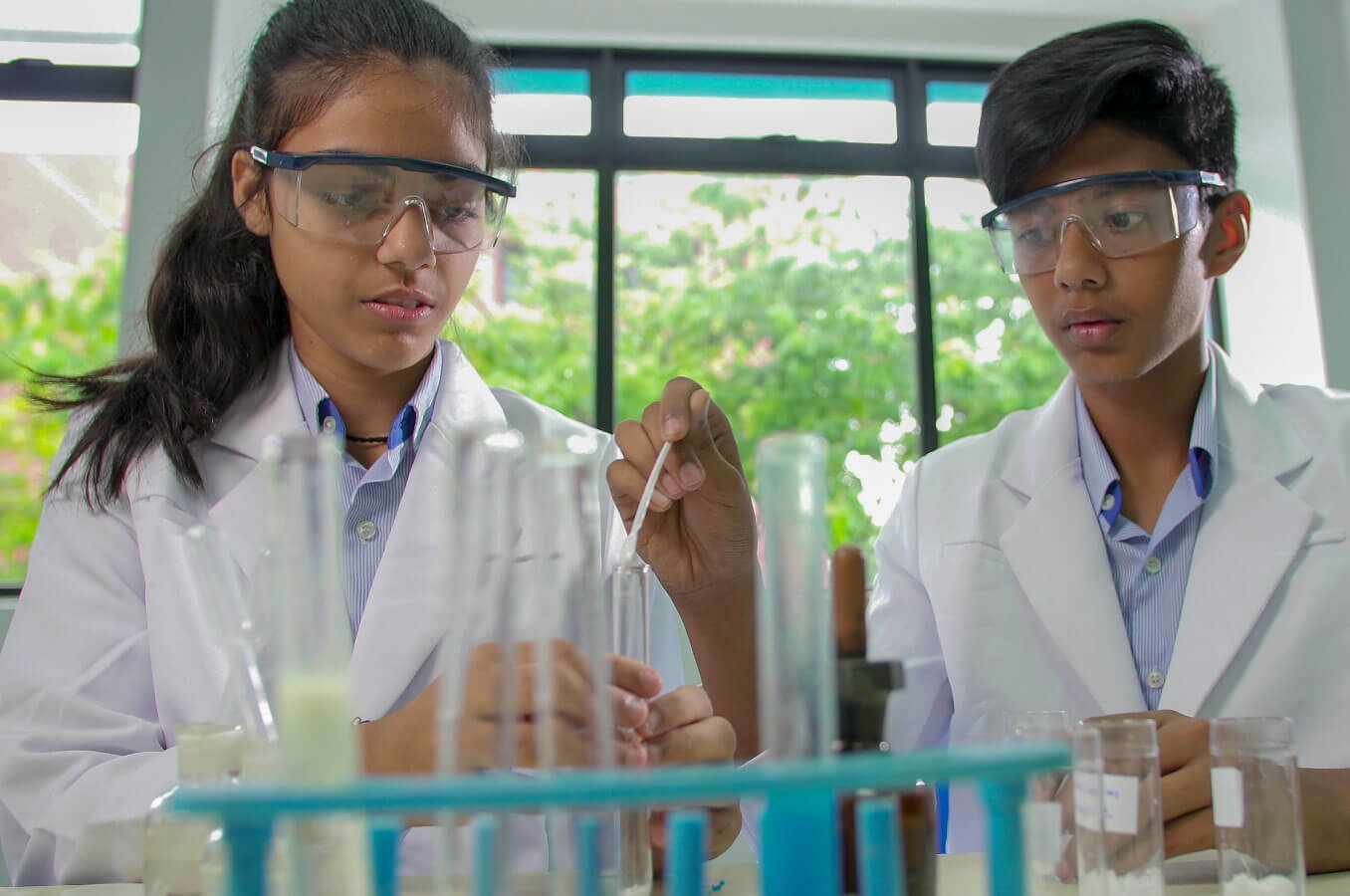



![Global Montessori Programme [GMP]](https://globalindianschool.org/ahmedabad/wp-content/uploads/2023/09/l1.png)