Today, in modern education, parents play an active and vital role as equal partners in their child’s learning journey. Their active involvement, right from the CBSE admission to daily learning, can make a significant difference in their child’s academic and personal growth. One essential way to keep parents involved is through Parent Teacher Meeting (PTM).
Indeed, a 15-20-minute conversation with teachers can transform your child’s learning journey. These short and focused conversations are valuable opportunities to build strong partnership between parents and teachers.
But how do you prepare to make a teacher and parent conference truly meaningful? Fortunately, there are practical and insightful ways to prepare effectively so you walk out more informed and confident in your abilities to support your child.
Why Parent-Teacher Conferences Matter?
Parental involvement in education shapes the child’s academic progress, emotional well-being and overall school experience. They allow parents to:
- Gain insight into their child’s academic performance and classroom behaviour
- Understand their child’s social skills and peer relationships
- Identify their learning strengths and areas of improvement
- Discuss challenges like attention span, homework habits or emotional concerns
- Align home and school efforts for better student support
It’s not only about academic grades; it is about helping your child become successful in all aspects of school life. As a parent, you must be now curious to explore some easy tips to prepare for the next parent-teacher meeting. We have got you covered with that as well.
Tips to Prepare for Parent and Teacher Meetings
Mark the Date and Time
Start by making sure you have the correct date and time for the meeting. Set reminders on your phone or calendar in advance. Being punctual shows that you value the teacher’s time and are serious about your child’s development.
Tip: If you can’t attend the scheduled time, inform the school early and request a reschedule if possible.
Talk to Your Child Before the Meeting
Your child is at the centre of this parent-teacher meeting, so include them in the process. Asking open-ended questions helps to understand their journey and experience and how they feel about school.
Try asking:
- What do you enjoy most about school?
- Is there anything you find challenging?
- How do you feel about your teachers and classmates?
- What would you like me to talk about with your teachers?
This helps you bring their voice into the conversation and focus on areas that matter to your child.
Review Schoolwork and Reports
Go through your child’s recent assignments, tests, schoolwork and any feedback from the teacher. Review the progress report beforehand to identify patterns, strengths or any possible concerns.
Look for:
- Subjects where your child consistently performs well or struggle
- Comments on attitude, participation and behaviour
- Notes from the teacher about areas of improvement
Staying informed helps you ask the right questions and stay engaged with the relevant parent-teacher meeting points.
Prepare a List of Questions
Parent-teacher conferences typically last 10-20 minutes in most CBSE board schools in Ahmedabad. So, it’s best to prioritise your questions. It will help you have a productive conversation with the teachers without any confusion.
Academic Performance
- What are their academic strengths and areas that need support?
- Are there any learning gaps I should be aware of?
Classroom Behaviour
- Are they attentive and engaged in class?
- Do they show respect and responsibility?
Social and Emotional Development
- Do they show signs of stress or anxiety?
- Do they participate in group activities or class discussions?
Homework and Study Habits
- Is homework being completed on time and accurately?
- Are there any suggestions to improve their study skills?
Be Ready to Share Insights from Home
Parent-teacher meetings are about working as a team. Teachers may have some PTM questions for parents to understand the child’s learning preferences, home life and personal challenges. This can help them tailor their teaching approach.
You should share:
- Changes at home that may affect learning
- How your child reacts to homework or stress
- Learning styles or interests they show at home
- Any emotional or behavioural patterns you have observed
It is a collaborative effort and sharing from both sides helps in understanding the child better.
Take Notes During the Meeting
It’s easy to forget important discussions once the meeting is over, especially if you have two children. Take notes of the following PTM points for parents:
- Key takeaways from the discussion
- Areas to follow up on at home
- Strategies or resources the teacher suggests
- Any timelines for improvement or support
These notes help you stay on track with the follow-up actions.
Partnering for Progress: GIIS Ahmedabad Turns Parent-Teacher Meetings into Milestones for Student Success
The importance of parents’ teacher meeting is to understand and support your child’s learning journey. With a bit of preparation, open communication and a team mindset, these meetings can become moments of insight, growth and meaningful connection.
At GIIS Ahmedabad, parent-teacher meetings go beyond updates. They are the collaborative touchpoints that fuel student success through insight, empathy and action. As the top preschool in Jagatpur, we nurture every child’s potential. Join us in shaping bright futures. Admissions are open; enquire today!
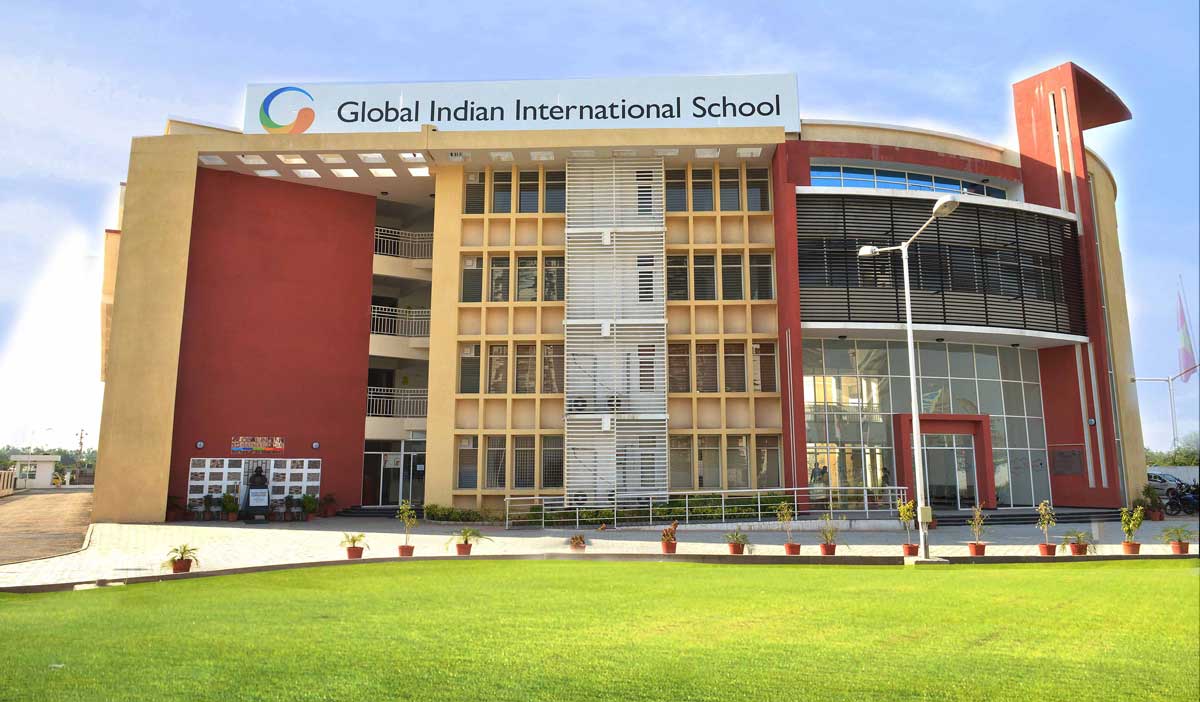 Ahmedabad Campus







![Global Montessori Programme [GMP]](https://globalindianschool.org/ahmedabad/wp-content/uploads/2023/09/l1.png)