Children learn in different ways, but some of the most powerful lessons come from what they feel and experience, not just what they read in books. That’s where the importance of music and dance in education comes in. These are not just creative subjects; they’re valuable tools that help students grow mentally, emotionally, and socially.
Many schools now include music and dance in their classrooms and activities, and for good reason. These are not “extra” subjects — they’re part of a child’s complete development.
What Is Dance and Why Is It Taught in Schools?
Let’s begin by defining what dance is to understand its role. It is the movement of the body in rhythm, often accompanied by music. Plus, it’s one of the oldest forms of expression in the world, used for:
- Celebration
- Storytelling
- Interpersonal connections
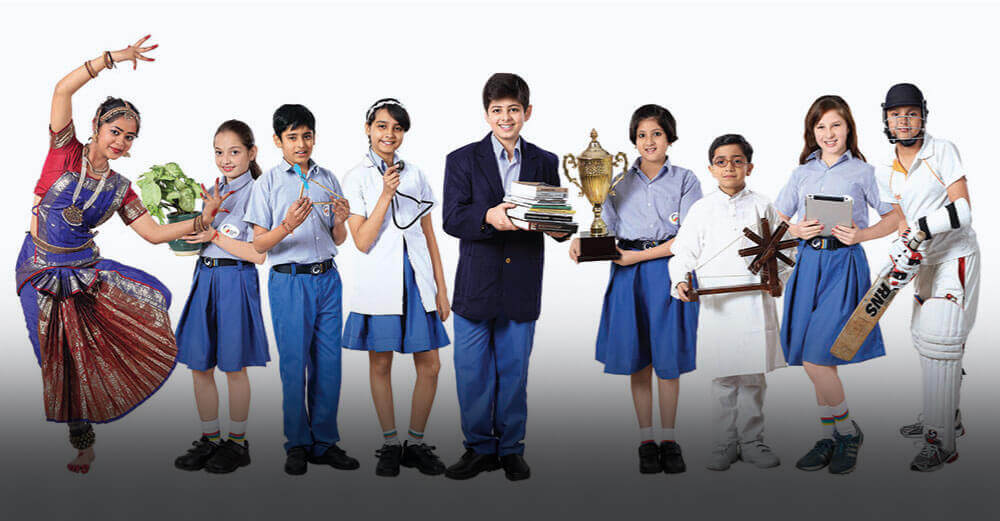
In schools, dance in education isn’t just about performance or fun. It teaches coordination, discipline, and focus. Students learn how to move with purpose and healthily demonstrate emotions.
The results speak for themselves. Schools that incorporate dance into their curriculum often experience better participation, higher student confidence, and stronger peer connections. Some of the benefits of dance include:
- Better physical fitness
- Improved balance and coordination
- Stronger memory skills
- Boost in self-esteem and creativity
Many of the best CBSE schools are now integrating dance into their regular timetables, not just as an extracurricular activity, but as part of weekly learning.
The Importance of Dance for Children
The importance of dance goes beyond the classroom. It helps children build a strong body and mind. Dancing teaches patience, repetition, and teamwork — qualities that are useful in all areas of life.
For younger students, especially, the importance of dance lies in movement-based learning. Children who move while learning are often more alert, focused, and able to retain information.
Schools that value the arts recognise that not every child learns in the same way. For many students, dance becomes the most effective way for them to engage with their learning environment.
Music in Education: What It Does for the Brain
Just like dance, music in education supports a child’s overall development. It improves memory, focus, and emotional control. Music helps activate parts of the brain responsible for language, reasoning, and motor skills.
That’s why children who are exposed to music from a young age tend to exhibit stronger listening skills and better emotional awareness. They become more sensitive to tone, rhythm, and detail — skills that are useful across subjects, from English to Science.
This is why many top preschools in Ahmedabad introduce music early on, even during play-based learning sessions.
Let’s take a look at how music affects different areas of student development:
| Area of Growth | Role of Music |
| Cognitive | Improves memory and focus |
| Emotional | Helps express and manage feelings |
| Social | Builds teamwork and listening |
| Motor Skills | Supports hand-eye coordination |
Why Music Is Important in School Life
There’s no doubt about why music is important for young learners. It brings calm to the classroom, supports concentration, and can turn a dull moment into a learning opportunity.
One of the best ways to see the importance of music is during school assemblies, music periods, and cultural events. Students who learn instruments or vocal music develop confidence and stage presence — even if they’re shy.
The importance of music isn’t about how well a child can sing or play. It’s about what the learning process brings: patience, discipline, joy, and self-expression.
Plato once said, “Music is a moral law. It offers soul to the universe, wings to the mind, flight to the imagination.” This quote reminds us that music is a powerful part of human growth.
How Music and Dance Help Students in Real Life
As students grow older, their school experiences shape their thoughts and behaviors. Including music and dance means they’re not only learning academics — they’re learning to express, relate, and adapt.
Here’s how both music and dance help students in daily school life:
- Reduces stress and anxiety
- Allows students with different learning styles
- Encourages participation in group activities
- Builds a stronger school culture and sense of belonging
For many families exploring CBSE schools admission, the presence of arts-based education is becoming a deciding factor. Parents are seeing the value of schools that support not only academic excellence but also emotional and social learning.
Music and Dance at GIIS Ahmedabad!
At GIIS Ahmedabad, one of the best primary schools in Ahmedabad, music and dance are integral to daily school life.
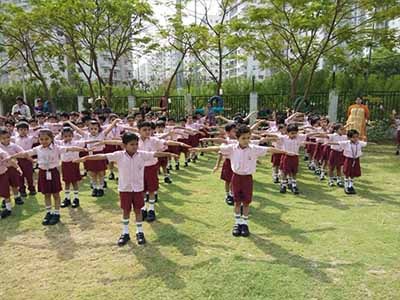
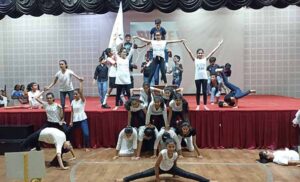
The school’s Navratri celebration brought together over 4,000 students in a stunning display of tradition, unity, and rhythm. From kindergarten to senior students, everyone danced with joy, supported by teachers who joined in as equals, showing that culture and learning go hand in hand.
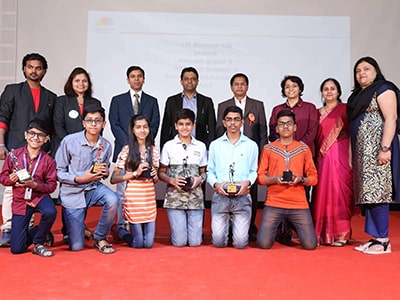
The school’s choir also stood out at the 10th Festival of School Choirs, earning the Audience Choice Award. Their performance blended passion with discipline — a perfect example of how music in education builds teamwork, confidence, and skill.
Adding to their list of achievements, GIIS vocalists secured four trophies at the Christmas Carol Fiesta 2024, across English, Hindi, and Gujarati categories. These wins show the strength of their musical training and the dedication of their teachers.
Whether it’s Garba, classical choir, or cultural fests, GIIS Ahmedabad proves that music and dance help shape well-rounded, expressive, and confident students, both on stage and in life.
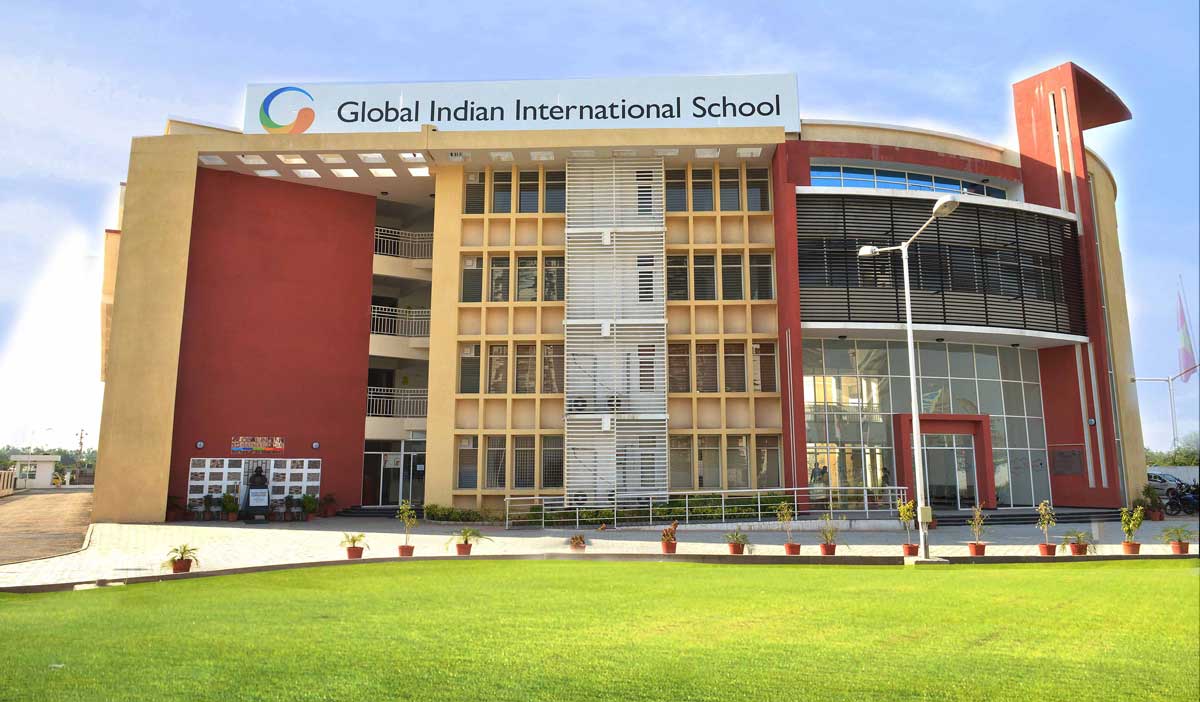 Ahmedabad Campus


![Global Montessori Programme [GMP]](https://globalindianschool.org/ahmedabad/wp-content/uploads/2023/09/l1.png)