As classrooms evolve with the times, the way children learn is also shifting. Many schools are no longer relying solely on one method of teaching. Instead, they are combining traditional teaching with digital tools to give students more control over their learning. This is where blended learning comes in. It’s not a trend. It’s a practical method that many schools are quietly adopting to help children learn better, especially in cities like Ahmedabad.
Parents today often ask, what is blended learning, and why is it being discussed so much in education?’ Let’s examine it properly.
What is Blended Learning?
Blended learning is a combination of classroom-based learning and learning through digital platforms. It combines face-to-face teaching with online activities, either during school hours or at home. It doesn’t replace the teacher—it supports them.
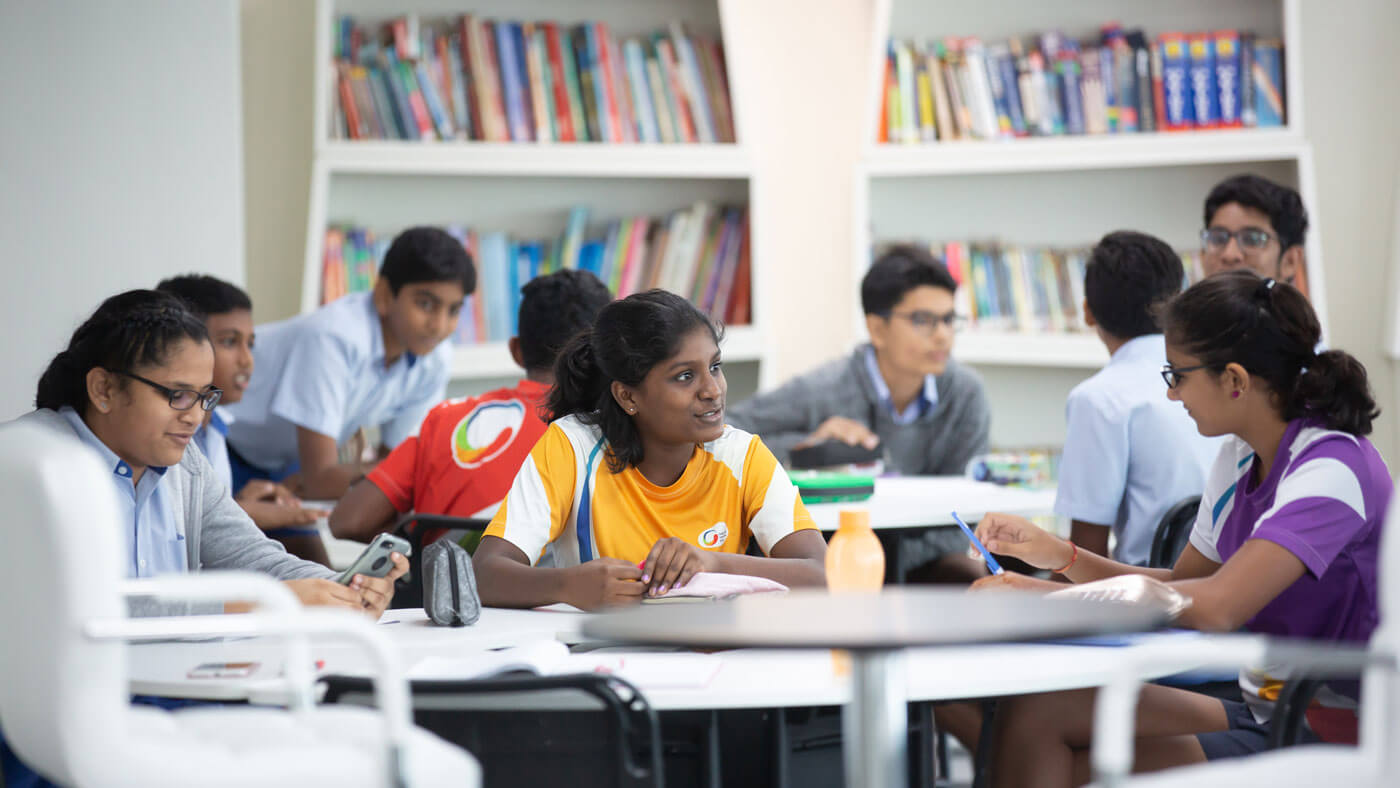
This method lets students learn at their own pace. While the teacher still plays a key role, students might spend part of their lesson watching an explainer video, doing a quiz on a tablet, or reading an article online. The rest of the time is spent discussing the topic with their teacher or classmates. This balance is known as blended learning & teaching, and it’s becoming more common in the best primary schools.
It doesn’t require fancy gadgets or advanced software. Most schools already have the necessary tools to implement this method.
What Are Types of Blended Learning?
There is no single way to implement blended learning. Different schools utilise it in various ways, depending on the age group and subject.
Below are the main types of blended learning used in schools:
| Type | Description | Used In |
| Rotation Model | Students rotate between learning stations, which include digital and teacher-led tasks | Lower primary and core subjects |
| Flex Model | Online learning is the main way of learning, with teachers supporting as needed | Upper primary or high school |
| Flipped Classroom | Students understand and learn new material at home through videos or reading, then do activities in class | Science and language subjects |
| Enriched Virtual | Some classes are in-person, others are completed from home | Senior classes and projects |
Understanding these types of blended learning helps parents see what might work best for their child’s learning style.
What Are the Benefits of Blended Learning?
There are several clear benefits of blended learning that schools and parents are noticing:
- Children can revisit lessons at any time, which helps with understanding.
- It allows students to progress at a pace that suits them.
- Teachers have more time to support individual students who need help.
- Online tools can offer instant feedback on exercises.
- It encourages children to take responsibility for their learning.
These benefits of blended learning are most visible when schools have a balanced structure, supportive staff, and simple tools in place.
Examples of Blended Learning in Real Classrooms
Let’s consider what examples of blended learning look like in practice:
- In a maths class, a child might start with a quick video explaining a concept. Then they answer practice questions using a learning app. The teacher sees the results in real time and sits with any student who needs extra help.
- During science lessons, older students might prepare by reading about the topic at home. The next day, the class conducts experiments together based on the readings.
Some schools follow frameworks such as the Global Montessori Curriculum, where students are already encouraged to learn at their own pace. Blended learning aligns well with this structure and provides additional support where needed.
These methods are becoming increasingly common in the best schools in Ahmedabad, where the focus is on balanced learning rather than excessive screen use or one-size-fits-all teaching.
What Should You Consider Before Choosing a Blended Setup?
If you’re thinking about enrolling your child in a school that uses blended learning & teaching, here are a few practical things to ask or look for:
- Are the devices used in school child-friendly and safe?
- Does the school explain how the online tools work?
- Are children given both digital and written assignments?
- Do teachers have enough training to support this model?
- Does the school provide parents with updates on their child’s progress?
The answers to these questions will give you a sense of how well the school has planned its blended learning strategy.
The Classroom is Changing—Is Your Child Ready?
Today’s classrooms aren’t the same as they were even five years ago. Students are no longer learning in just one way, and parents can’t rely on outdated teaching methods to prepare their children for tomorrow. Understanding what is blended learning is one step toward making better decisions for your child’s education.
With blended learning becoming a regular part of teaching in many schools, it’s essential to choose a place that strikes a balance between technology and real, face-to-face connections.
If you’re looking for a school that stays ahead of the curve while keeping your child’s growth at the centre, consider a structured and thoughtful approach to blended learning & teaching. Schools like Global Indian International School—one of the best schools in Ahmedabad—are already taking that step. It might be the right time for your family to do the same.
 Ahmedabad Campus





![Global Montessori Programme [GMP]](https://globalindianschool.org/ahmedabad/wp-content/uploads/2023/09/l1.png)