In the present digital age, where screens often steal the spotlight, nurturing a love for reading in young learners is more crucial than ever. The good habits of reading build vocabulary, encourage imagination and improve comprehension. It not only ensures academic success; reading also helps students develop critical thinking.
But how do we spark that initial interest in books and turn reading into a habit?
It is possible with the right mix of strategies, encouragement and a supportive environment, both at home and in the best CBSE schools, that young readers can be gently guided toward a love for books.
Ready to discover practical, fun and effective ways to develop reading habits in young learners? Let’s get started!
Why Reading Matters in Early Years?
Before we dive into how to develop reading habit in students, let’s understand why it matters to start early.
- Language Development: Reading helps children build vocabulary, grammar and communication skills.
- Imagination and Creativity: Stories help children gain a broader view and inspire creativity.
- Emotional Growth: Books teach empathy, self-awareness and how to express feelings.
- Academic Success: Strong reading habits ensure better comprehension and performance across all subjects.
The earlier a child starts enjoying reading skills activities, the more confident and curious they become as learners.
Tips to Develop Early Reading Habit
Start Early and Make It a Routine
Reading aloud to children builds a strong foundation. The rhythm, tone and sound of your voice help them associate reading with warmth and comfort.
Try this:
- Set aside a consistent time each day (like bedtime) for reading together.
- Keep reading sessions short, fun and engaging, especially for the young ones.
- Use textured books, board books and interactive stories to keep them interested.
Pro Tip: Make reading a part of their daily routine, like brushing their teeth or engaging in mealtime chats.
Create a Reading-Friendly Environment
Children are more likely to develop reading habits when they have an encouraging reading-friendly environment not only in CBSE secondary schools but also at home.
Simple Ways to Build a Reading Environment
- Set up a cozy reading nook with cushions and soft lighting.
- Keep books within easy reach of children.
- Display a variety of books like picture books, fairy tales, non-fiction, joke books, etc.
- Keep rotating the books regularly to keep their interest alive.
Be a Reading Role Model
Children learn from adults. If they see you reading newspapers, novels or stories, they understand that the reading activities for students are valuable and enjoyable.
How to Lead by Example:
- Read while your child is reading.
- Share what you are reading and why you enjoy it.
- Talk about books casually in conversation.
When reading becomes a part of family culture, kids are more likely to adopt it naturally.
Make Reading Interactive
Reading doesn’t have to be a still or silent activity. Make it a fun and interactive activity by adding movements, sounds and moments to make it come alive.
Try this:
- Use different voices for different characters.
- Pause to ask, “What do you think happens next?”
- Act out scenes or draw your favourite part of the story while reading.
- Let your child read to you using pictures or memory.
Interactive reading enhances comprehension and makes the overall experience enjoyable, memorable and beneficial for the child.
Use Technology Wisely
Screens or technology aren’t the enemy. If used correctly and in a balanced manner, they can enhance many activities of reading skills.
Use Technology to Your Advantage:
- Try eBooks with read-along features.
- Use storytelling apps and audiobooks during travel or downtime.
- Combine print and digital books to maintain a diverse mix of materials.
Pro Tip: Always supervise screen time and balance it with physical books and face-to-face reading experiences.
Celebrate Milestones and Progress
Acknowledge your child’s activities for reading! Whether it’s finishing their first chapter or reading daily for a week, celebrate every milestone.
Try These Ideas:
- Create a “Reading Star” chart.
- Give small rewards for reading streaks.
- Host a book picnic where they bring and read their favourite storybook.
Celebrating every milestone turns reading into an activity that your kids look forward to.
Use Reading to Connect with Emotions
Reading books can help children process and understand emotions and diverse situations that might be challenging otherwise.
How to do so:
- Pick stories that align with their feelings, interests, likes and experiences.
- Talk about the characters they like and feel.
- Relate to their emotions and choices.
This not only enhances emotional intelligence but also develops different kinds of reading skills.
Conclusion
Developing a reading habit in young learners isn’t about strict routines or academic pressure. It is about creating joyful, meaningful and engaging connections with books. Help children associate reading with warmth, imagination and discovery to make the skill their lifelong companion.
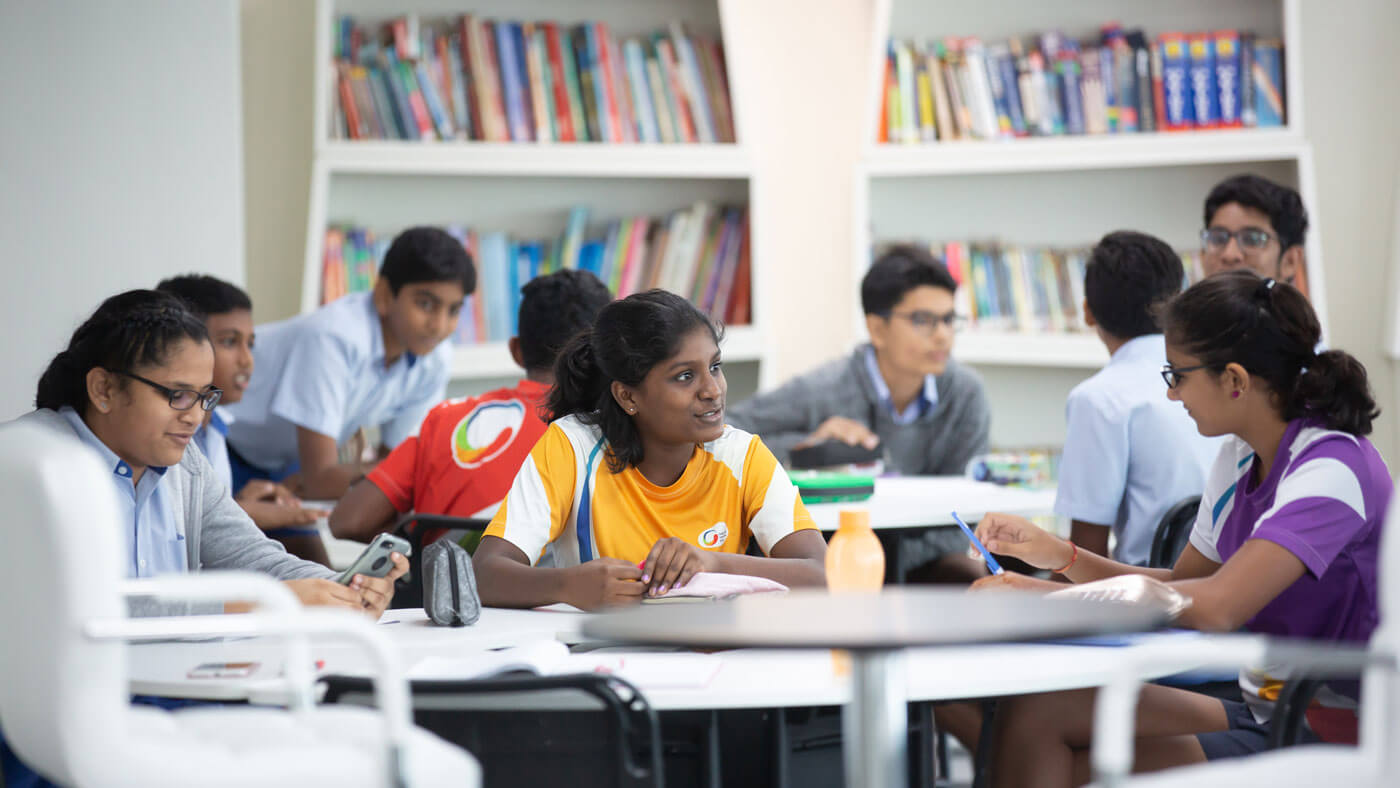
At GIIS Ahmedabad, reading habit is encouraged through vibrant libraries, storytelling sessions, book clubs and interactive reading programs. As one of the reputed higher secondary schools in Ahmedabad, we blend fun with reading and learning to spark curiosity in young learners and nurture a lifelong love for books. Let your child’s reading journey begin at GIIS Ahmedabad; enrol today!
 Ahmedabad Campus



![Global Montessori Programme [GMP]](https://globalindianschool.org/ahmedabad/wp-content/uploads/2023/09/l1.png)