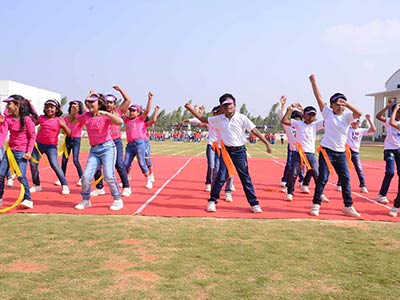
A child sitting with books spread out, still thinking about the football match earlier in the day, is not unusual. In India, many students carry this double load of classes and clubs. The pressure feels real when both demand attention at the same time.
Without right planning, stress builds quickly and energy slips away. Balance matters here. Good routines, rest, and time management for students can keep studies strong and activities enjoyable. Let’s break it down.
The Need for Academic and Extracurricular Balance
In every Indian classroom, you will find students who are good at exams yet lose spark outside books. At the same time, there are others who shine on stage or the sports ground but struggle with tests. Balance is not about choosing one side. It is about staying steady on both. Children need a rhythm that allows them to study well and also explore other interests. Parents often forget that growth means more than only high marks.
Why balance matters:
- Colleges in India and abroad look for all-rounders.
- Sports, arts, and clubs teach teamwork and confidence.
- Strong academics keep future career doors open.
- Good balance protects health and prevents stress.
With important of time management for student in mind, the path becomes easier. When studies and activities are handled with equal respect, children avoid burnout and discover true joy in learning.
Common Challenges Students Face
Balancing study with activities looks simple from the outside, but inside, it feels messy. Many students in India say the same thing: the day feels too short. Homework piles on one side while sports coaches ask for longer practice on the other.
Sometimes the calendar feels like it belongs to someone else, not the student. Small things, like traffic after school or late rehearsals, eat into precious hours. When exams come, pressure builds fast. Without proper planning, the fun parts also begin to feel heavy.
Typical problems include:
- Assignments and projects stretched late into the night.
- Extra classes clash with rehearsals or tournaments.
- Parents are pushing for higher marks, while teachers demand active participation.
- Sleep is getting cut short almost every week.
- Social pressure to join more clubs than one can manage.
A strong study habit time management approach makes these challenges less painful and keeps life steady.
Practical Tips to Maintain Balance
1. Prioritise Tasks Wisely
Not everything demands equal effort. One chapter may need two hours, another only thirty minutes. An upcoming debate deserves more time than a casual meeting. Students should learn to sort urgent from routine. A simple student time management planner helps decide what goes first and what can wait.
2. Create a Realistic Schedule
Many children write long timetables but follow none. A working schedule leaves breathing space. If classes end at 3 pm, don’t fix study till nine straight. Slot an hour for games, a short nap, and family time. A plan that feels human is easier to keep. When used well, a study habit time management sheet can make evenings smoother.
3. Focus on Quality Over Quantity
Joining five clubs looks good on paper, but performing poorly in all makes no sense. Better to stay in two activities and shine there. Quality builds mastery and also cuts stress. A cricket player who also joins dance, robotics, drama, and choir may end up tired, not talented.
4. Learn to Say No
Many students fear missing out. But saying yes to every camp, trip, or fest kills focus. Saying no is not a weakness. It is wisdom. One can always join next year if time allows. Protecting energy now means better results later.
5. Make Time for Rest and Hobbies
Burnout often shows when rest is ignored. Sleep is not a luxury. Eight hours is fuel. Hobbies like painting, listening to music, or even short walks in the park refresh the mind. Without this reset, no exam or sport goes well. Rest is as serious as revision.
For younger children, enrolling in the best international preschool can establish early habits of time management and balanced learning, preparing them for later academic and extracurricular demands.
Role of Parents and Teachers in Supporting Balance
Guidance matters. Parents should not compare children with others in the colony or school. Teachers can spread project deadlines, so all subjects don’t clash. Together, they can check that kids are not overloaded. Encouragement works better than pressure. A calm word from an adult sometimes saves a child from silent stress.
Signs of Burnout and How to Overcome It
Burnout rarely arrives in one day. It builds slowly.
| Sign | What It Looks Like | Simple Fix |
| Fatigue | Student yawns through class or practice | Short naps, full sleep |
| Falling Grades | Marks dip even with effort | Adjust schedule, focus on fewer activities |
| Irritability | Quick temper with friends or family | Rest, open talk |
| Lack of Motivation | Skips both study and sports | Take a short break, seek a mentor |
Catching these signs early saves much trouble. Even one week off from extra activities can restore energy.
Conclusion
Balancing books and hobbies is not easy. Yet, with the right steps, students in India can keep both sides steady. Using a student time management planner or building small habits makes life simpler.
Rest, support, and wise choices prevent burnout and keep learning enjoyable. Many secondary schools in Bangalore now emphasise a balanced approach, integrating academics with sports, arts, and leadership activities to ensure holistic student development.
GIIS Bangalore invites students to focus on balance, growth, and well-being while excelling in every field.
 Whitefield Campus
 Bannerghatta Campus