As one of the cornerstones of human society, education is universal, yet it is rarely uniform. Every region has its own education system. Across the globe, every country has unique features that make its education system distinct from others. While some focus on theoretical aspects, others are solely focused on practical applications. It is difficult to make sense of these diverse educational approaches; however, it is equally crucial to do so.
Comparative education allows institutions to learn from the successes and failures of others to formulate strategies that are most beneficial for the students. In this blog, we will be discussing the meaning, types, and needs for comparative education. So, let’s start!
An Introduction to Comparative Education
Let us begin with an introduction to comparative education. It refers to the systematic study of educational systems and practices across different countries or cultures. It is an interdisciplinary field that seeks to identify the underlying reasons for similarities and differences in education systems and analyse the underlying forces that shape the educational choices in societies.
Comparative education aims to achieve a broader understanding of educational policy to gain an international understanding to adapt to changes that reflect the interconnected nature of today’s world. This can be done by comparing the education systems of two or more countries on the basis of various factors such as curriculum, teacher training, technology integration, assessment, etc. The ultimate goal is to gain insights that can make education more comprehensive and valuable for the students.
Core Aspects of Comparative Education
Comparative education follows a structured and methodological approach. It can get quite rigorous and encompass the following core aspects that define its various phases.
- Description – This defines the ‘what is it’ aspect, which is the initial step that involves meticulous and objective documentation of an educational system within a specific national or cultural context. This entails detailing aspects such as curriculum content, teaching methods, teacher training standards, governance structures, assessment strategies, etc.
- Interpretation – This step interprets the “why” of things being the way they are. This requires an in-depth understanding of the historical, cultural, socio-economic, political, and philosophical aspects that have shaped the educational landscape in that particular setting
- Juxtaposition – This involves placing two or more educational systems side-by-side, without immediate judgment or bias. It creates a neutral space for direct observation, allowing similarities and differences to emerge clearly before the analytical comparison begins.
- Comparison – This step involves systematically identifying commonalities and distinctions between the juxtaposed educational practices. It seeks to identify the differences and similarities, patterns, correlations, etc.
- Application/Prediction – The ultimate goal of comparative education is to apply the insights gained from the comparison. This often involves formulating evidence-based policy recommendations for one’s own system and identifying the positive and negative impacts of one’s own system to form future policies.
Need for Comparative Education
The need for comparative education in the current state of the world cannot be overstated. As good schools in Bangalore seek to instil skills in students that prepare them for the global workforce, here is why comparative education becomes of the utmost necessity.
- Improved Understanding of Our System – By viewing our educational system through the lens of others, we gain a critical perspective that allows us to identify hidden assumptions, internal biases, and unique strengths within our national context. It prompts a deep self-reflection of our practices and helps us gain a deeper insight into our educational system.
- Learning from the Experiences of Others – Comparative education enables us to identify best practices and enables us to implement necessary reforms via creative solutions from other systems to improve any deficiencies. It also helps us learn from the mistakes and pitfalls encountered by other countries, preventing us from repeating the same.
- Informed Policy Formulation and Reform – Comparative education enables better policy formulation in terms of curriculum development, teacher recruitment, educational equity, and integration of new technologies. It provides concrete examples and analytical frameworks to guide reform efforts, ensuring changes are well-informed and relevant.
- Fostering International Understanding and Cooperation – Understanding diverse educational philosophies and practices promotes cultural empathy and helps create a more nuanced global perspective. This is also critical for international collaboration in research, student and teacher exchange programs, and more. Such efforts allow students to develop international mindedness and become global citizens.
- Predicting Future Trends and Challenges – By analysing global educational shifts, demographic changes, technological advancements, and emerging societal needs, comparative education can be used to anticipate future challenges and opportunities. This foresight enables proactive planning and adaptation of educational systems to meet the demands of an evolving world.
Conclusion
Comparative Education is vital to gain insights into the educational systems all over the world. It offers opportunities to improve the curriculum, policy, teaching methods, and more for a better learning experience for students. Top schools in Whitefield, like GIIS Bangalore, aim to offer students the best in every aspect. Get in touch with us today to learn how our teachers apply the best methods to help brighten your child’s future!
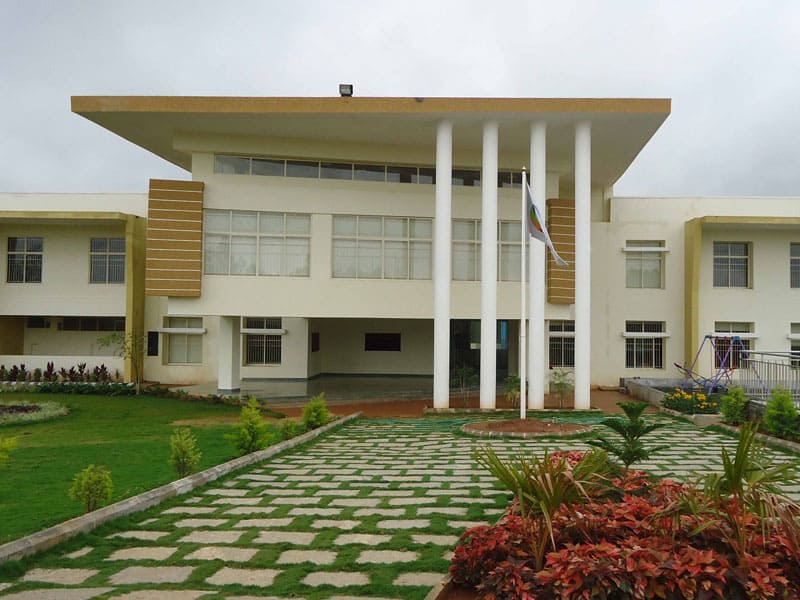 Whitefield Campus
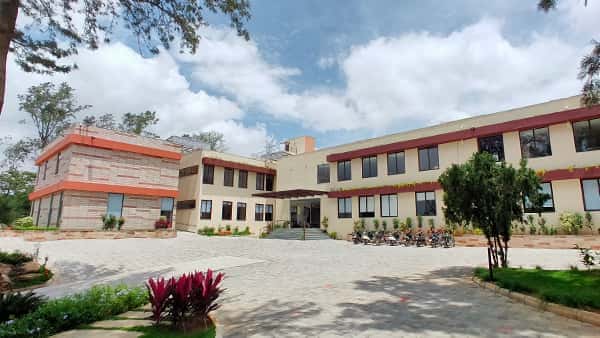 Bannerghatta Campus