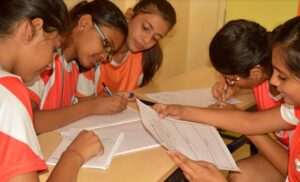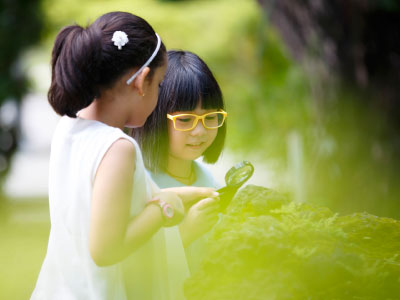
“I got nervous before my science presentation, so my friend helped me practice. Then I helped her with her poem for English class.”
This could be any child’s story: a simple moment of teamwork, empathy, and confidence. It might look small, but it is exactly what Social-Emotional Learning (SEL) is about.
In classrooms today, students are not only learning equations or grammar. They are also learning how to understand emotions, deal with stress, work in teams, and show kindness. These are life skills that grow from social-emotional learning — lessons that prepare children to succeed inside and outside school.
Understanding Social-Emotional Learning (SEL)
Social-emotional learning is an approach that helps students recognise and manage their emotions and build healthy relationships. It focuses on teaching children how to understand themselves and connect with others respectfully.
In simple words, SEL helps students answer three big questions:
- How do I feel right now?
- How do my actions affect others?
- What can I do to make things better?
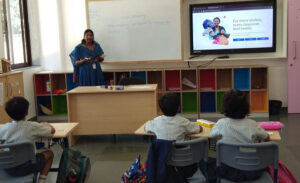
Teachers include social and emotional learning activities such as journaling, role-play, storytelling, and group reflections to make this learning part of everyday school life.
Why It Matters in Schools
Children today face many situations that challenge their emotions — competition, expectations, peer pressure, or digital distractions. SEL helps them respond to these moments calmly and confidently.
Social and emotional learning in the classroom builds emotional balance and kindness. It improves focus, reduces anxiety, and strengthens cooperation among students, qualities that top Bangalore preschools prioritise to create a nurturing, child-centred learning environment.
A child who can express frustration without anger or share success without arrogance is already showing strong emotional intelligence. These abilities help them build positive friendships and lead with empathy as they grow.
The Five Foundations of SEL
SEL builds five key abilities that guide both personal and academic success:
- Self-Awareness: Recognising emotions, values, and strengths.
- Self-Management: Staying calm, motivated, and organised.
- Social Awareness: Understanding and respecting others’ feelings.
- Relationship Skills: Building healthy friendships and resolving conflicts peacefully.
- Responsible Decision-Making: Making thoughtful and ethical choices.
Teachers support these skills through social emotional learning activities that fit everyday situations — such as reflective writing, storytelling, or team challenges that require cooperation and patience.
Social-Emotional Learning Activities
Modern classrooms use creative social emotional development activities and social emotional skills activities to make SEL practical and enjoyable.
Some examples include:
- Classroom Conversations: Open talks about feelings and experiences.
- Mindfulness Breaks: Short breathing or focus exercises to calm the mind.
- Role-Play Exercises: Acting out real-life situations to learn empathy and communication.
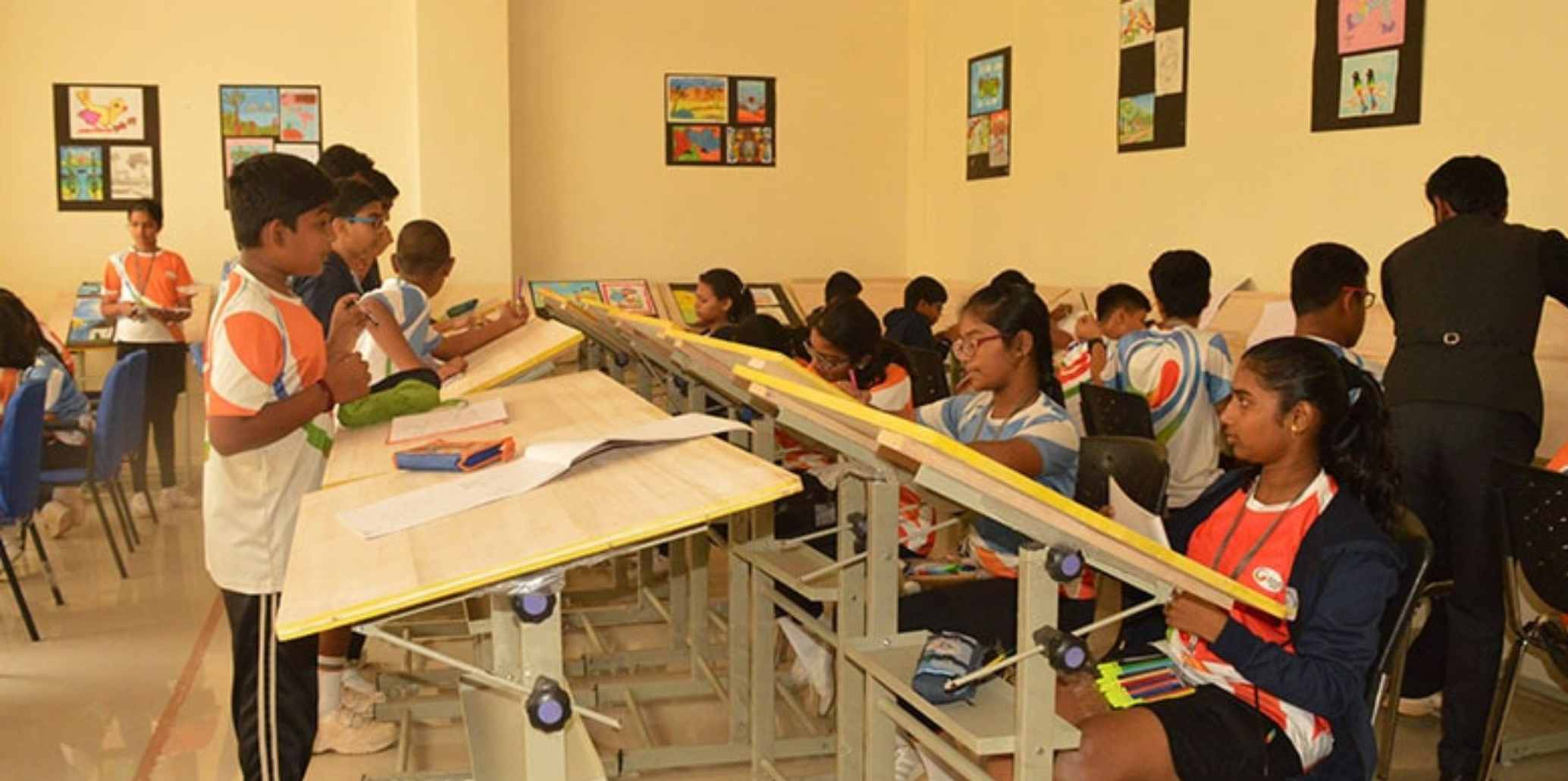
- Art and Music Sessions: Encouraging self-expression through creative work.
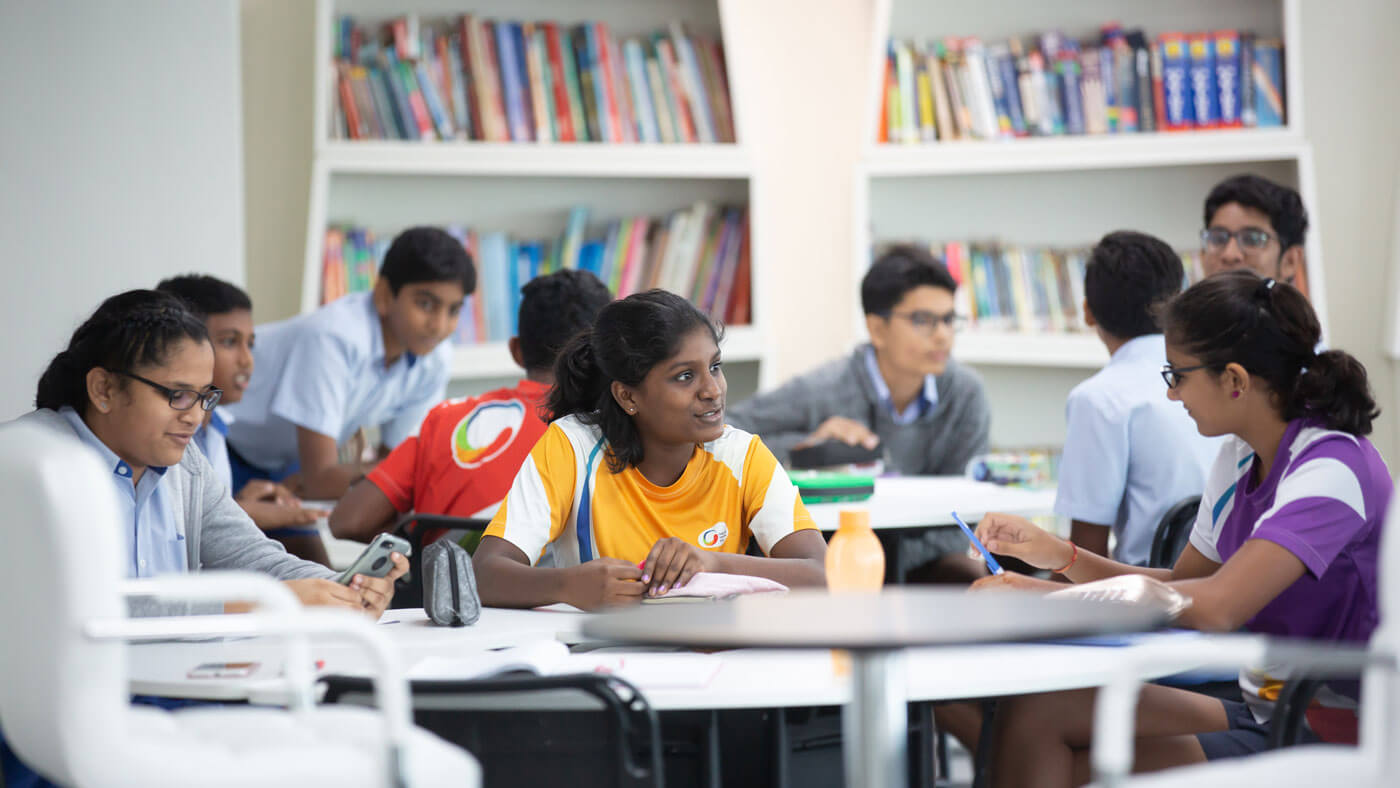
- Team Projects: Promoting trust, collaboration, and shared goals.
These social and emotional learning activities create an environment where students feel valued, confident, and emotionally safe.
Teachers as Emotional Mentors
Teachers play a vital role in shaping emotional intelligence. They model empathy, patience, and respect — qualities that children naturally mirror.
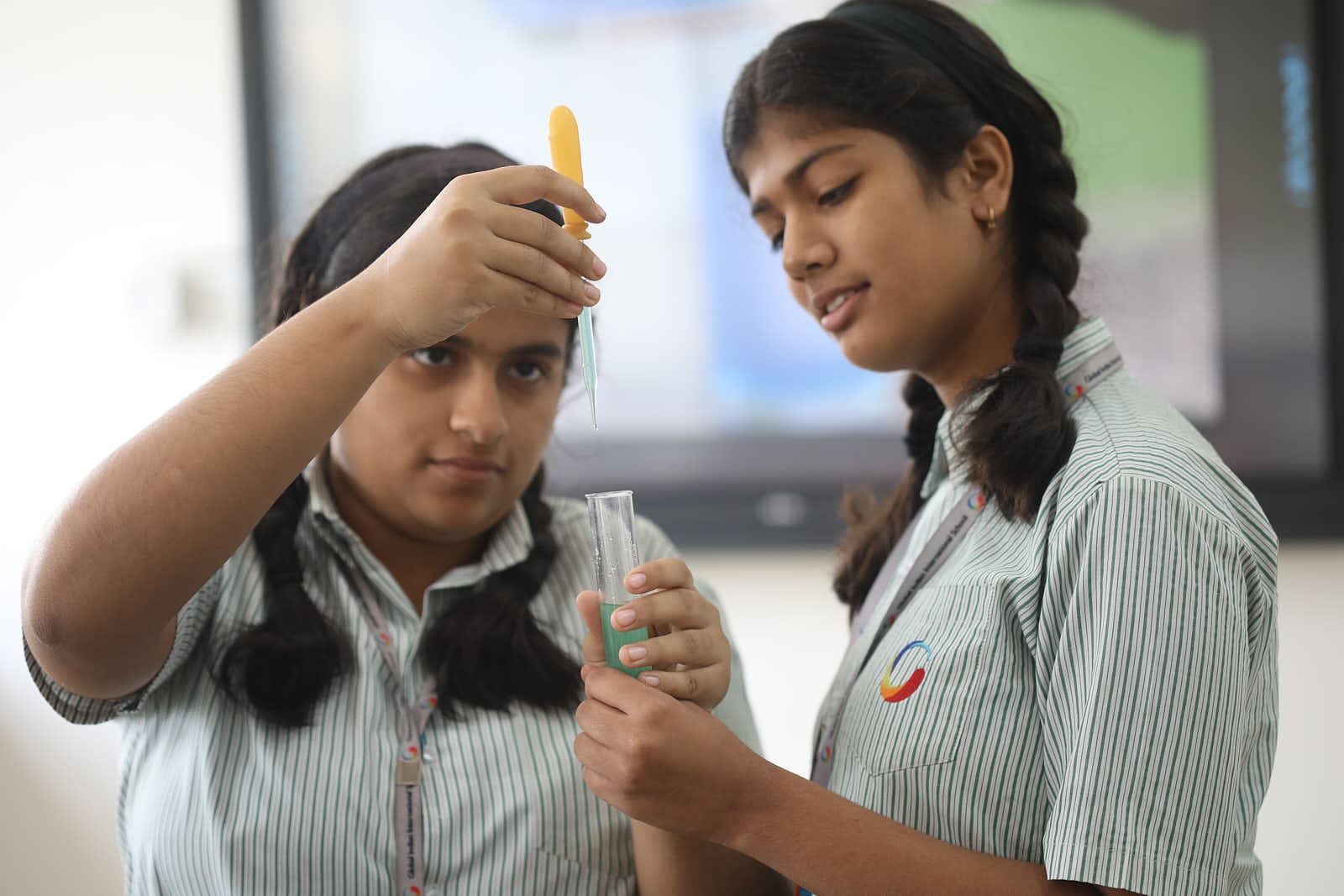
By integrating social and emotional learning in the classroom, teachers make every lesson an opportunity to discuss emotions and values. A literature class can explore characters’ feelings; a science project can teach teamwork and accountability.
When emotions are part of learning, students understand that kindness and intelligence grow best together.
How GIIS Bangalore Strengthens SEL
At Global Indian International School (GIIS), Bangalore, social-emotional learning is deeply integrated into our curriculum at every level. We blend academic skills with emotional development to support students becoming thoughtful, balanced individuals.
Students practice social emotional learning activities every day, mindfulness exercises, and collaborative projects, so they become empathetic, good communicators, and resilient. The teachers make sure that everyone gets to speak, every effort is recognised, and every feeling is valued.
We aim to cultivate such young minds that are not only smart intellectually but also emotionally aware, kind-hearted, and equipped with life skills to face the world after school.
Conclusion
Social-emotional learning helps children turn emotions into understanding and empathy into action. It teaches them to care for others while staying confident and calm within themselves.
At GIIS Bangalore, we nurture this balance of heart and mind every day, ensuring that our students grow into thoughtful learners, responsible friends, and compassionate future leaders.
 Whitefield Campus
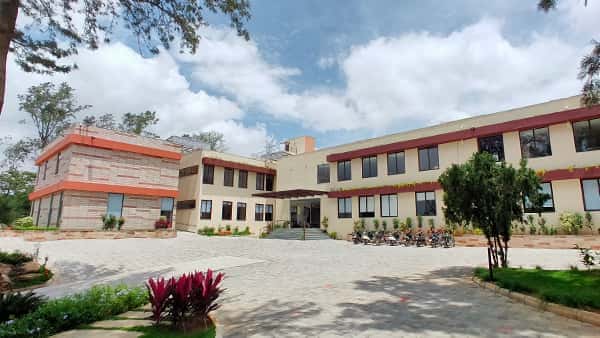 Bannerghatta Campus