In the last few years, Noida has witnessed a quiet yet powerful transformation in education. Classrooms have become more dynamic, teachers are reimagining their roles as facilitators, and students are discovering that learning can be as creative as it is academic. From technology-enabled lessons to hands-on experiences, the city’s schools are embracing new-age methods that make education relevant for tomorrow’s world.
As these innovations take root, several key trends are shaping how young learners think, collaborate, and grow. Here are the 10 game-changing education trends in Noida that are redefining what it means to learn in the 21st century.
1. Modern Teaching Methods That Go Beyond Books
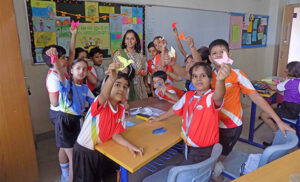
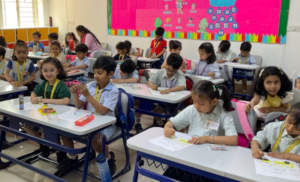
Classrooms don’t revolve around the four walls and old-style chalkboards anymore. Educators have gone for the modern teaching methods, which are a mix of creativity, technology, and student-teacher interaction. Concepts are being explained through real-world examples, pictures, and talks, thus getting students involved in learning, which in turn becomes more efficient. The change is leading the students to grasp the concepts at a deeper level instead of just rote learning.
2. Project-Based Learning for Real-World Understanding
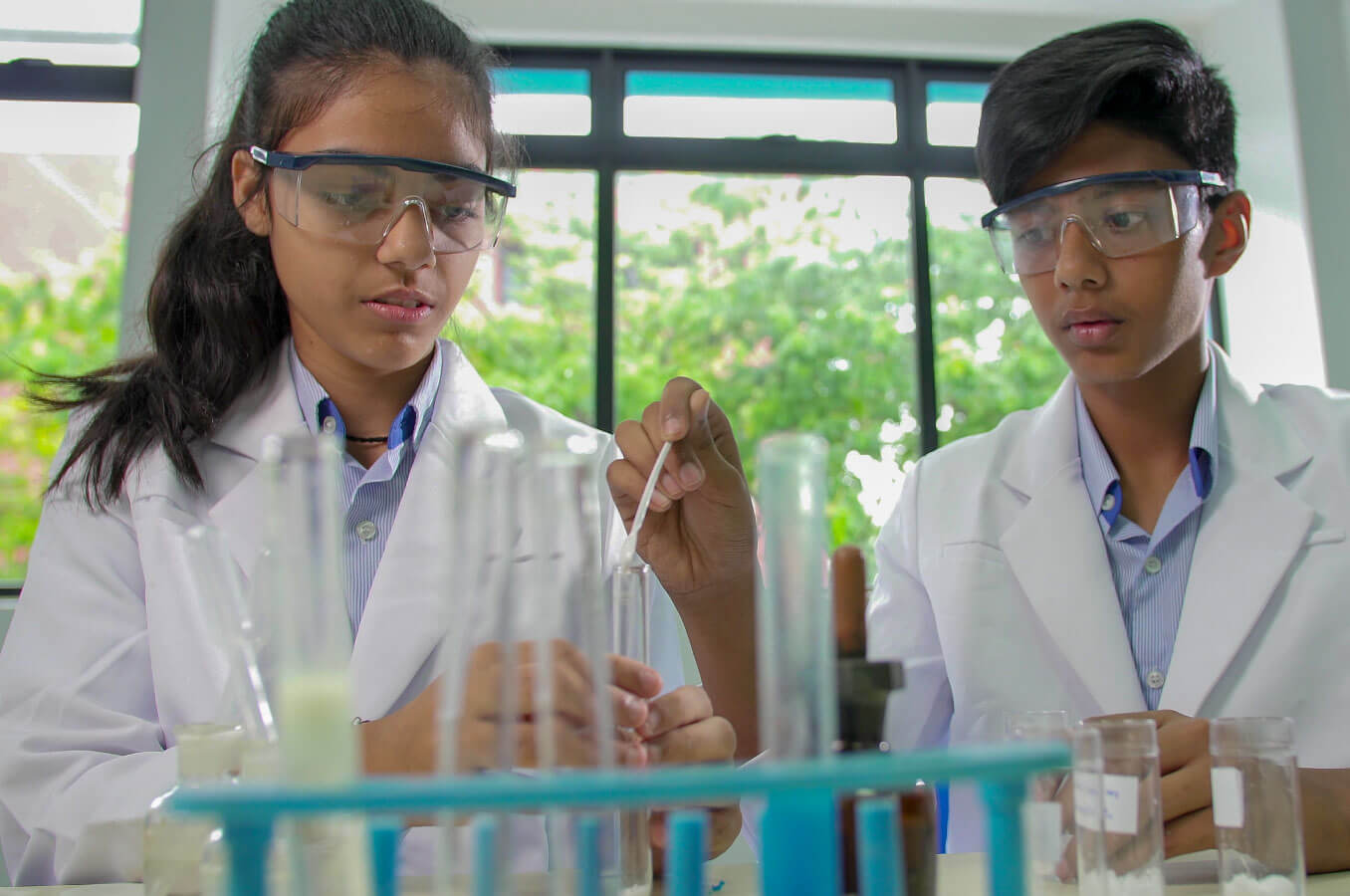
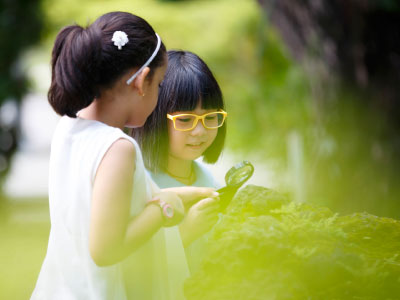
Project-based learning engages students to discover, doubt, and create. Instead of only learning from books, they solve real-world problems, thus, they develop critical thinking and teamwork skills. By using project-based learning ideas, students become eager to learn and see the connection between knowledge and its application through different projects such as designing eco-friendly models and conducting science experiments.
3. Collaborative Learning Builds Communication Skills
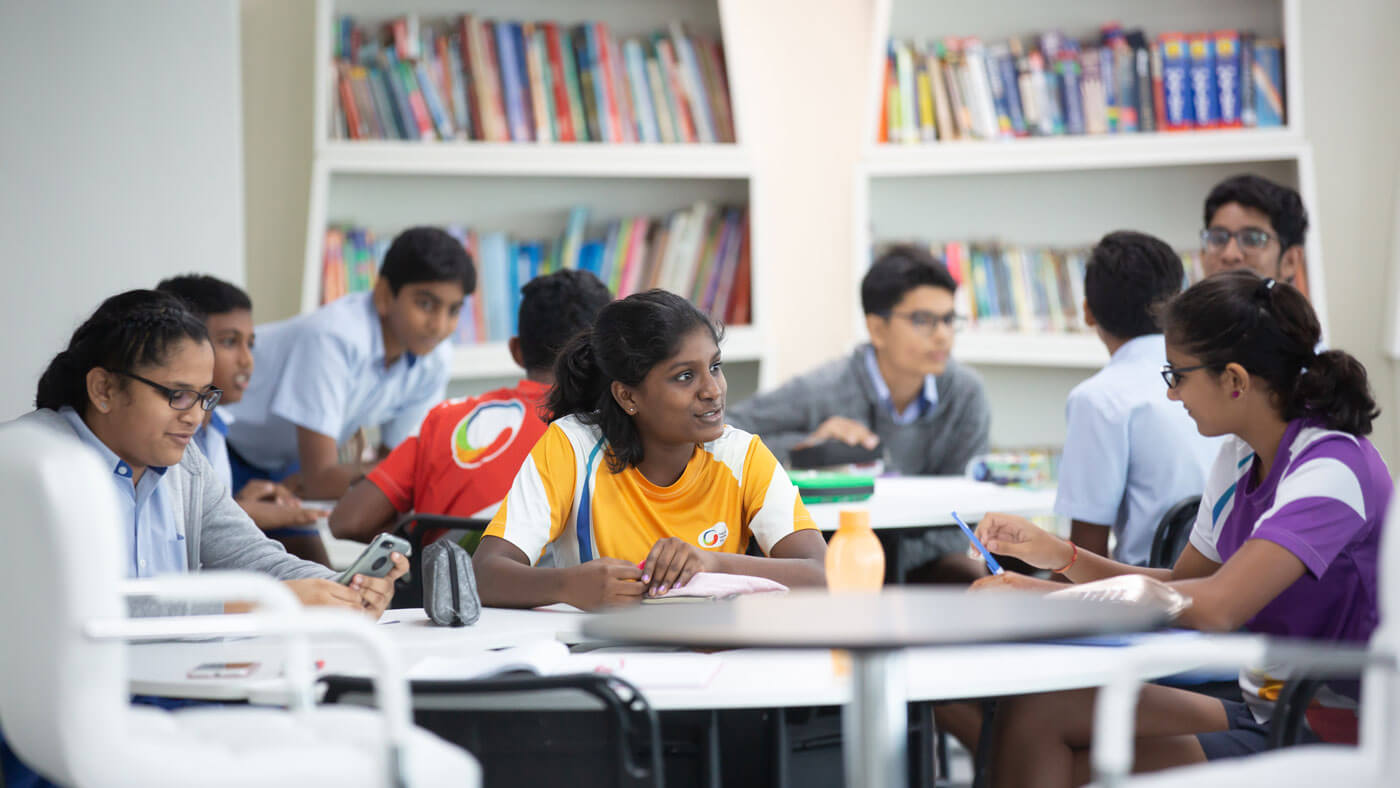
In the 21st century, learning is as much about teamwork as it is about knowledge. Collaborative learning gives students the opportunity to share ideas, listen, and learn from different points of view. Working in groups and peer reviewing each other helps to develop qualities like understanding, leadership, and the ability to solve problems which are not only necessary for succeeding in school but also for life after school.
4. Flipped Classrooms Empower Independent Learners
The flipped classroom approach turns traditional teaching upside down. Students first study the lesson at home through videos or readings, and classroom time is used for discussions and application. This model nurtures individual learning, giving students space to learn at their own pace while still benefiting from peer and teacher interaction.
5. Integrating Technology in the Classroom
The role of technology in the classroom has expanded from being a supporting tool to a central learning medium. With the help of smartboards, tablets, and interactive platforms, difficult subjects become easy to understand, and students get more involved. Besides that, virtual reality and AI-driven learning apps are giving teachers the opportunity to customize their lessons so that each student can learn according to his/her own way.
6. Focus on 21st Century Modern Teaching Techniques
Education today is about preparing students for a rapidly changing world. Schools in Noida are adopting modern teaching methods that nurture communication, creativity, critical thinking, and collaboration. To further support bright learners, several institutions offer school scholarships in Noida, ensuring that every student has the opportunity to grow and succeed.
7. Blending Lecture-Based and Experiential Learning
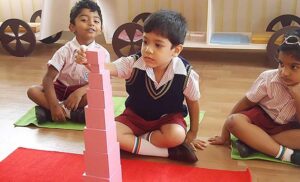
While lecture-based learning remains important for concept introduction, schools are now combining it with hands-on activities. Such a balanced method allows students to understand the theoretical part, and, at the same time, they can realize it through experiments, projects, or group discussions. So, the outcome is an educational experience that is not only organized but also lively.
8. Individual Learning Pathways for Every Student
Every learner is unique. Schools are increasingly recognizing this by promoting individual learning pathways. Educators evaluate the capabilities, modes of learning, and even the preferences of each pupil to adjust their teaching. Such a tailored method not only makes the students more self-assured but also assists them in developing into the most complete version of themselves.
9. Emphasis on Emotional Intelligence and Well-Being
Modern education goes beyond academic education. Schools are now focusing on emotional intelligence, mindfulness, and well-being programs. Students learn empathy, self-awareness, and resilience; skills that enhance relationships and mental health. By nurturing balanced individuals, schools are creating confident, compassionate citizens.
10. Continuous Teacher Development and Innovation
Behind every innovative classroom are teachers who keep learning. Continuous training ensures educators stay updated with modern teaching techniques in education. Workshops, digital training, and international collaborations are helping teachers in Noida adopt new tools, redefine pedagogy, and inspire students more effectively.
Nurturing Tomorrow’s Learners, Today
Education in Noida is clearly moving toward a future where learning is interactive, inclusive, and inspiring. From modern teaching methods to technology-driven classrooms, every shift is designed to prepare students for a world that values creativity as much as knowledge. These trends are not just redefining how lessons are taught; they’re reshaping how young minds think, question, and innovate.
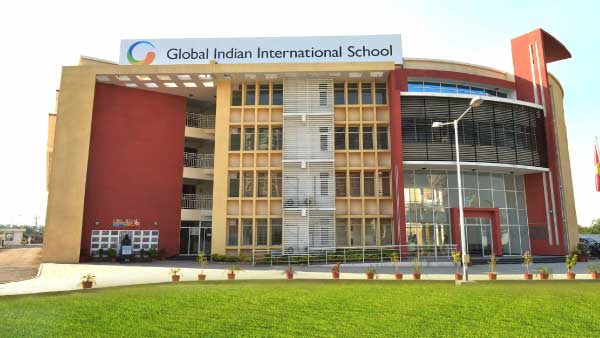
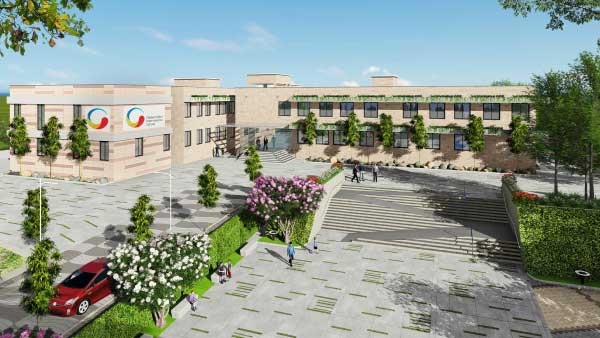
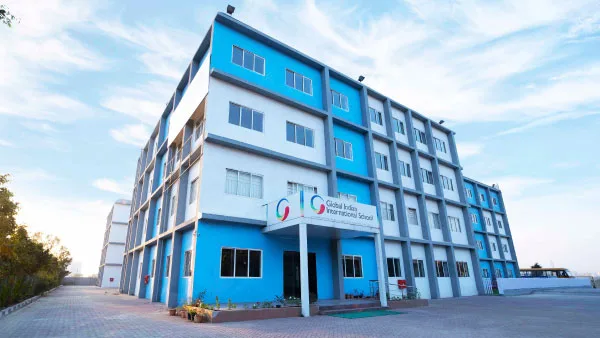
At Global Indian International School (GIIS), we see this change as an opportunity to nurture future-ready learners. By blending academic excellence with emotional intelligence, project-based exploration, and global exposure, we help students build skills that go beyond the classroom. Because for us, education isn’t just about keeping up with change; it’s about leading it with purpose, empathy, and imagination.
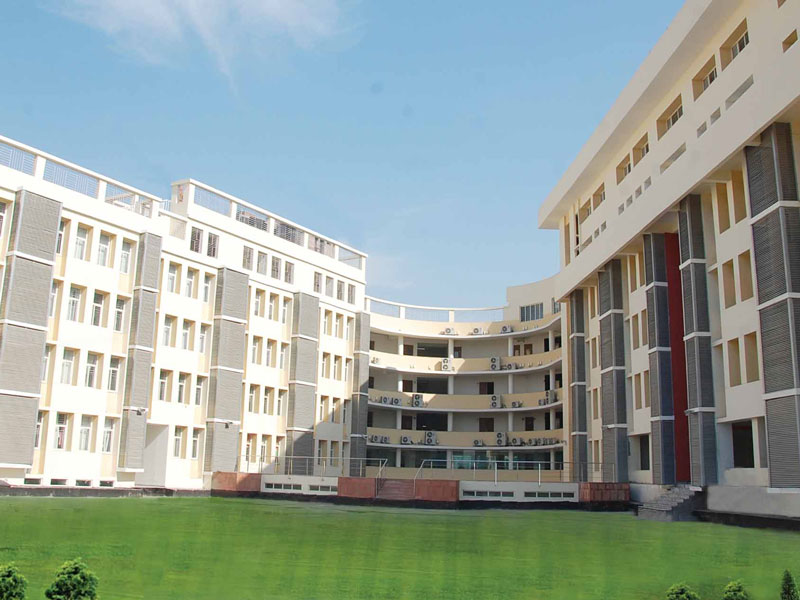 Noida Campus