Foreign languages in CBSE schools contribute to cultural awareness, a global outlook, and communication competence. The languages available are usually French, Spanish, and German, although there may be variations from school to school. When choosing between these options, parents should consider the interests of their child, the assessment criteria, the continuity of the language at higher levels, and the teaching methodology.
Why a Foreign Language Matters in a CBSE School?
- Cognitive Benefits: Learning different languages improves adaptability, memory, and problem-solving.
- Global Competitiveness: Languages such as French, Spanish, and German are widely used in higher education, international business, and diplomacy.
- Career Pathways: Having proficiency in one or more foreign languages will open doors to diverse career pathways in Information Technology, translation, international relations, and tourism.
- Cultural Competence: Learning a language beyond vocabulary and grammar exposes students to adaptability, open-mindedness, global perspectives, and fostering tolerance.
Which Foreign Languages Does a CBSE School Typically Offer?
The choice of foreign languages that are normally offered at CBSE schools is based on the grades available, the curriculum followed, and teachers present. Some common foreign languages are listed below:
- French: Ideal for a student who shows interest in travel, further education, and international culture.
- Spanish: Opens doors to develop international communication skills and explore Spanish-speaking cultures.
- German: May appeal to a student who shows interest in European culture, science, technology, and engineering.
- Others: A few schools also offer other foreign language options such as Russian, Japanese, or Mandarin, as per teacher availability. This may be valuable, but before choosing, check the availability of trained educators and the continuity of teaching.
Exploring French, Spanish, and German Languages in CBSE Schools
French Language in CBSE Schools
This is among the most common foreign languages taught in a CBSE school, and here’s why.
- Global Reach: French is an official language across many countries and several international organisations.
- Strong Teaching Ecosystem: Certification pathways especially DELF, textbooks, and qualified teachers are simple to find.
- Accessible for Beginners: Sentence structure and pronunciation are manageable for an Indian learner.
- Study Options and Career Choices: Useful for study in Canada or France, hospitality, luxury brands, fashion, and diplomacy.
- Ideal For: Students who desire a well-supported, dependable option with broader applications.
Spanish in CBSE Schools
This language is increasingly offered as CBSE schools widen their language options.
- Growing Relevance: Spanish is useful in media and translation, tourism, and international business.
- Large Speaker Base: The language is spoken across Spain, parts of the US, and Latin America.
- Simple to Start: Phonetic spelling makes both speaking and reading approachable.
- Ideal For: Students who like travel, cultural exploration, and speaking.
German Language in CBSE
This language has steadily grown in popularity, particularly among families having STEM-focused goals.
- Industry Demand: Valuable in IT, automotive, manufacturing, and engineering sectors.
- Education Pathways: Germany is a leading destination for technical and engineering education, with several public universities charging no or minimal tuition fees.
- Structured Grammar: Demanding initially, but rewarding and logical for an analytical learner.
- Ideal For: Students who may plan higher studies or engineering in Europe or who prefer logic and structure.
Understanding the Third Language in CBSE
The third language in CBSE is determined according to the applicable language requirements and those determined by the school’s curriculum. The initial grades, assessment methodology, and options may differ from one school to another.
Parents are recommended to check what languages are taught as a second language and third language, when students start learning the language, and if the language is continued further in Grades 9 to 10. Such information becomes particularly important for families who are moving to a new city or switching schools.
Which Foreign Language is Best for Students?
There is no definite answer to this question of which foreign language is best for students. The selection depends on the child’s interests, future plans, and learning style.
| Foreign Language | Ideal for Students Interested In | Potential Benefits |
|---|---|---|
| French | International education, culture, and literature. | Builds cultural awareness and communication skills |
| Spanish | Global communication, travel, and culture | Allows students communicate across Spanish-speaking regions |
| German | Science, technology, and engineering | Introduces students to German-speaking cultures and education opportunities |
| Japanese | Japanese culture, business and technology | Cultural understanding and builds language skills |
| Mandarin Chinese | Chinese culture, communication, and international trade | Builds cross-cultural communication skills |
Parents before choosing a language must take into account different factors that include quality of teaching, opportunities for regular practice, the availability of the subject, and the enthusiasm of the child.
Foreign Language as a Subject in Classes 6 to 10
Foreign language as a subject in Class 6 to 10 is introduced as an optional subject, with different options such as French, Spanish, German, and more. These subjects stress on practical implementation, communication skills, and cultural awareness, usually achieved through partnerships with institutions. When students are introduced to a foreign language in Middle School, they develop fluency, increase cognitive skills, and get ready for the right global opportunities in higher education and career paths.
The GIIS Noida Advantage
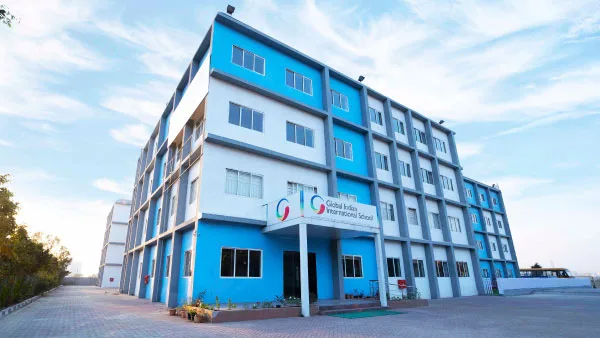
Global Indian International School, Noida integrates the CBSE syllabus with a focus on the holistic development of students. The school provides options of French, Tamil, and Hindi as its second-language options.
Key features include the following:
- 9GEMS Framework: Addresses all aspects of development such as social, emotional, creative, academic, and physical development.
- MYGIIS Portal: Keep parents and guardians updated with all developments at the school.
- Hands-on Learning: Encourages students to engage, explore, and create.
- Child Well-being: Focuses on students’ adaptation and a safe learning/teaching environment.
- Global Montessori Plus: Through activity-based learning and exploration, it integrates modern early years learning with Montessori principles.
Takeaway
The right foreign language would be one that takes into consideration both the interests of the child and the curriculum at the school. Parents are recommended to assess some factors before making their choice such as language continuity, assessment needs, and subject choices.
To confirm grade-wise options, subject requirements, and the available languages for your child, reach out to the Admissions Counsellors at GIIS, Noida, or plan a campus visit.
FAQs
Which foreign languages do CBSE schools generally offer?
Foreign languages that are typically taught in a CBSE school are French, Spanish, and German. There are some schools where Mandarin Chinese or Japanese are also offered, based on their curriculum and teacher availability.
Is the French language taught to students in GIIS, Noida?
Yes, it is listed among the school’s second-language options together with Tamil and Hindi. Parents are advised to verify the current foreign language choices for their child’s intended grade.
Do CBSE schools usually offer German language?
No. It is offered exclusively by CBSE schools that include German in their language programme. Before admission, do check the availability and the subject list.
Which foreign language is the most appropriate for Grades 6 – 10 students?
This is based on the student’s learning preferences, future aspirations, and interests. Regular practice and consistent teaching are equally crucial.
Can children after Grade 6 change their option for a third language?
This depends on the selected school’s subject policy, applicable curriculum requirements, and available language options. Parents must confirm whether a change in third language is possible before transferring or choosing any new subject.
 Noida Campus