Starting school in a new country can be thrilling at first glance. But for many children, it also brings hidden emotional struggles. New students, a foreign language, different food, and a novel teaching method can leave even the most outgoing child feeling tense.
Even though most international schools follow a global curriculum, many also keep familiar learning standards, like including CBSE in syllabus planning, to ease the academic shift. Yet, as a parent, your support is what matters in making your child feel safe. Check out some ways to adapt your child to an international school setting.
Understand The Cultural Adjustment Process
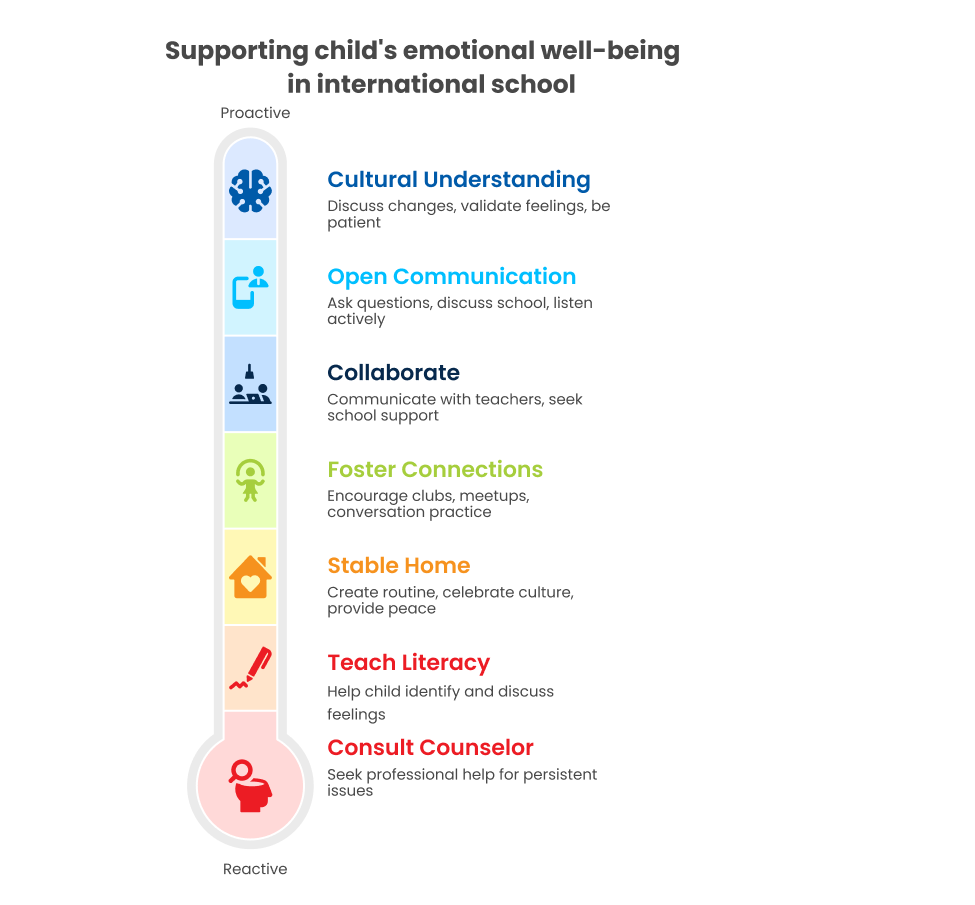
As children move to a new culture, they are more likely to get stuck with a ‘cultural shock’. It’s often characterised by:
- Being homesick
- Avoiding school
- Being unusually withdrawn
- Trouble sleeping
- Can’t stay focused on studies
Transitions such as these can affect mental health if they’re not brought up early on. Kids often don’t have the words for how they feel. So, try to be patient and a reasonable observer.
You must engage in discussions with them around what’s changing and what they’re missing. Explain to them that it is fine to experience a range of feelings.
Keep Firm Communication with Your Child
Kids in many international CBSE secondary schools tend to bottle up feelings to keep parents from worrying. That’s why open communication is even more important. You must ask open-ended questions that encourage them to speak, like: “Did anything confuse or upset you?” It makes them feel heard without pressure.
It’s also helpful to talk about what they’re doing in class, especially if the school has a curriculum your child is familiar with, like the CBSE syllabus for class 6 or 7. If kids are exposed to familiar academic content, it creates a feeling of continuity and confidence, even in a foreign country.
Collaborate with Teachers and School Counselors
Teachers are among the first to see children’s emotional shifts. Having a strong relationship with your child’s teachers provides you with greater insight into their daily school life.
Many international schools Noida have be it IB or CBSE in syllabus employ school counselors or wellness coaches. As per stats, emotional support from teachers can lead to a 31% increase in academic engagement.
You don’t need to wait until there is a crisis to make contact with them. Asking the school ahead of time how they address emotional health can provide your child with assistance at home as well.

Foster Social Connections
Kids feel emotionally secure when they feel they belong. You can assist them in developing social circles by:
- Enrolling them in extracurricular clubs or school groups
- Encouraging meetups outside school
- Assisting them in practicing conversation starters
Peer bonding is a massive influence on how emotionally secure your child will feel at school.
Establish a Stable Home Environment
Home is still a child’s emotional anchor even in the most diverse school setting. You can create a daily routine for the kid with a certain time reserved for family bonding. It could be through meals, games, evening walks, etc. Make sure that your home is a peaceful place where they can express feelings openly.
You can also celebrate your native culture and traditions at home. Children who feel proud of their identity settle down better abroad. When they see the CBSE syllabus for class subjects or cultural references in school, it reinforces their sense of self.
Also Read: Developing Care for the Environment: Practices for Sustainability in Schools
Teach Emotional Literacy
Make your child identify and discuss their feelings. You can encourage the usage of journals among children. Similarly, practice them with deep breathing and mindfulness skills.
Getting them to label emotions such as ‘nervous,’ ‘lonely,’ or ‘curious’ makes them verbalize what is going on inside instead of acting it out.
Luckily, most curricula now place emphasis on social-emotional learning (SEL) as part of integrated education. You can verify how the school incorporates it from the CBSE official website syllabus or the CBSE new curriculum framework reports.
When To Consult A Counsellor?
At times, emotional troubles don’t show up clearly. They can hide behind minor mood swings. As a parent, your instincts are pretty crucial.
The following are some warning signals that your child may require the services of a professional:
- Dramatic drop in grade
- School or social avoidance
- Daily headaches with no medical basis
- Difficulty in sleeping
- Skipping meals
- Mood swings, irascibility, or perpetual sadness
If these behaviors continue for longer than a few weeks, speaking with a school counselor or a child psychologist is a good idea. The sooner you take action, the easier it is to get your child to feel better and develop healthy coping strategies.
Conclusion
Each child adapts in their own way to a new international school. But when they feel safe, they settle more easily and develop more confidently.
That’s exactly what we aim for at GIIS Noida. Our classrooms are places where students feel happy to be, where they can be themselves. We follow a structured curriculum with CBSE in syllabus to keep children with emotional balance. Let your child’s emotional and academic development go hand in hand.
FAQs:
Do international schools have counselors for emotional support?
Yes, at GIIS Noida, trained counselors and wellness coaches are available to support students emotionally, helping them navigate transitions, stress, and school-related challenges with care.
What are effective ways to nurture emotional wellness in kids?
A stable home routine, open conversations, and involvement in activities like those in modern Montessori International Noida settings greatly help in nurturing emotional wellness in children.
How can I make sure my child feels emotionally safe and supported?
High schools in Noida like GIIS build emotional safety through strong teacher-parent ties, student clubs, and a curriculum that supports both learning and well-being.
What steps can schools take to boost students’ emotional health?
International board schools in Noida like GIIS promote SEL programs, counselor support, inclusive learning, and positive peer environments to strengthen students’ emotional well-being.
Is emotional well-being part of daily school life?
Absolutely. At GIIS Noida, emotional health is woven into everyday routines through mindfulness, values-based lessons, and the international primary curriculum that prioritizes student wellness.
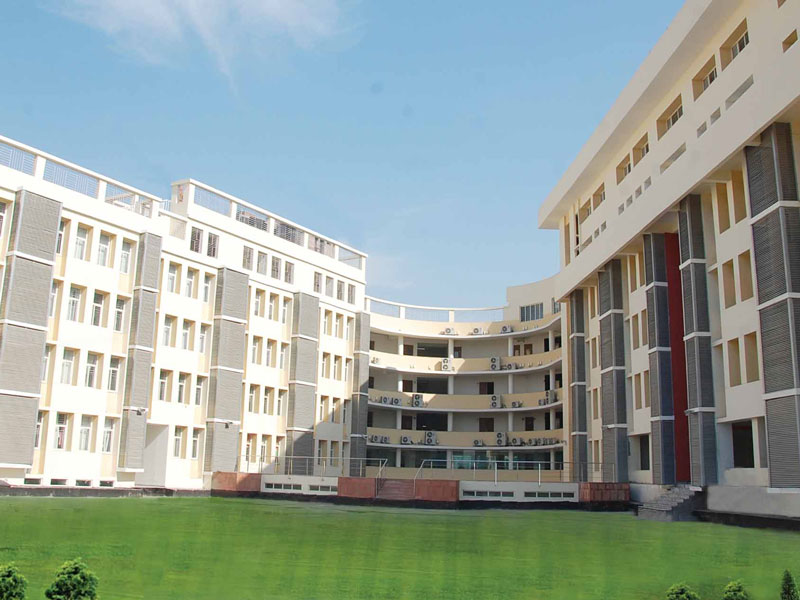 Noida Campus