Education today is evolving to cater to every learner, regardless of their abilities, needs, or background. Parents often hear the term ‘inclusive classroom’ and wonder, what does it really mean, and why is it so important for their child’s education?
An inclusive classroom is not just about learning academics; it is about belonging, acceptance, and equal opportunities. Let’s explore the inclusive education meaning, its key features, and how it shapes a positive future for students.
What Is an Inclusive Classroom?
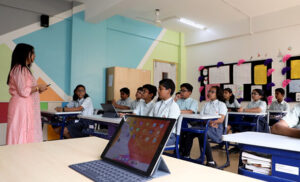
At its simplest, what is an inclusive classroom can be explained as a learning space where children of all abilities and learning needs study together. Instead of separating students based on physical, emotional, or academic differences, an inclusive setup ensures that every child participates in the same learning process with the right support.
For example, a student who struggles with reading may learn alongside their peers but also receive extra support tools, such as audiobooks or teacher assistance. This combination ensures that no child feels left out or left behind.
Inclusive Education Meaning
The inclusive education meaning goes beyond accessibility. It is the philosophy that every child, whether they have special educational needs, a different language background, or a varied learning style, deserves the same opportunities to learn.
Inclusive education emphasizes:
- Equal Access: Every student is given the resources they need to succeed.
- Acceptance: Diversity is valued, not hidden.
- Support Systems: Teachers, peers, and schools work together to encourage participation.
For parents looking at the best schools in Pune, a strong focus on inclusivity is a sign that the school nurtures not just academic excellence, but also empathy and teamwork.
Key Features of an Inclusive Classroom Environment
A well-designed inclusive classroom environment is built on certain principles that make it practical and welcoming:
Differentiated Instruction
Lessons are tailored to meet the diverse learning needs of students. Teachers may use visuals, group work, or hands-on activities to reach all learners.
Collaborative Learning
Students work together, valuing each other’s strengths. This encourages teamwork and empathy.
Accessible Resources
From ramps to assistive technologies, physical and digital resources are adapted for everyone.
Positive Classroom Culture
Respect, patience, and encouragement are emphasized daily, creating a safe space for learning.
Teacher Training
Educators in inclusive classrooms are trained to recognize and support diverse learning needs effectively.
Parents searching for schools near Hinjewadi can consider whether these practices are visible in the school environment.
Examples of Inclusion in the Classroom
Real-life examples of inclusion in the classroom show how theory translates into action. Here are a few scenarios:
- A child with hearing difficulties uses hearing aids and sits closer to the teacher. At the same time, classmates practice speaking clearly to support communication.
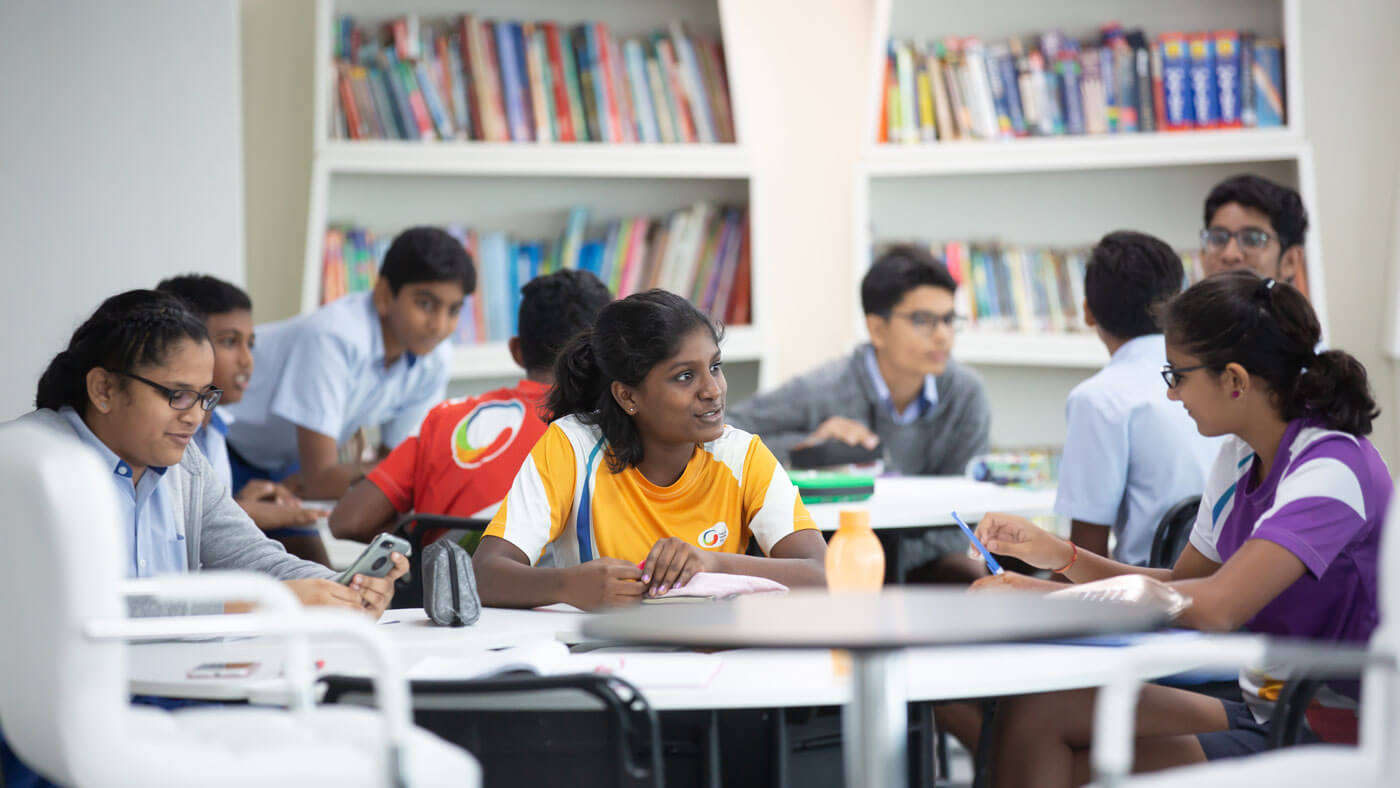
- During group projects, students with different strengths (creativity, research, organization) contribute in ways that highlight their abilities.
- Teachers provide content in multiple formats, such as videos, reading materials, and discussions, so that every student can better understand the concepts.
Such examples highlight how an inclusive learning environment benefits not only those who need extra support but the entire class. Students grow up valuing diversity, patience, and cooperation.
Benefits of an Inclusive Learning Environment
A thoughtfully created inclusive learning environment offers wide-ranging benefits:
- For Students with Special Needs: They receive the same opportunities, leading to confidence and self-reliance.
- For Other Students: Exposure to diversity builds empathy, respect, and adaptability.
- For Teachers: Teachers learn innovative ways to engage learners, improving their own skills.
- For Families: Parents gain assurance that their children, no matter their differences, are part of a safe and supportive community.
Why Inclusive Classrooms Matter for Pune Parents
In a city like Pune, renowned for its educational institutions, parents seek schools that prioritize both academics and values. By fostering inclusivity, schools prepare children for real-world challenges where teamwork, respect, and diversity are essential.
So, what is an inclusive classroom? It is a learning space where every child feels valued, supported, and capable of success. With features such as differentiated instruction, collaborative projects, and accessible resources, these classrooms create a future where education is not just about learning facts, but about building character.
If you are exploring top preschools in Pune for primary education, understanding how the school practices inclusivity can guide you in making the right choice.
For parents exploring educational opportunities, inclusivity in schools signifies a commitment to nurturing not only academically gifted students but also compassionate and responsible citizens.