Effective study habits for CBSE board exams start with a realistic weekly plan. Set a small goal for each session, revise older topics regularly, practice questions, review your mistakes, and protect time for sleep and breaks. You don’t need to study every waking hour. A routine you can follow consistently will help you see your progress and adjust your preparation.
Introduction
Board exams can feel challenging when students are unsure about how to organize their preparation. Studying for long hours is not always the answer. What matters more is having a consistent routine and using study time wisely.
Good study habits help students stay organized, understand subjects better, and prepare for revision without last-minute pressure. With the right approach, students can make their preparation more structured and balanced.
What Are Good Study Habits for CBSE Board Exams?
Good study habits are regular actions that help students learn, revise, and retain information effectively. For CBSE students, these habits can make daily preparation more organized.
Useful habits include:
- Following a fixed study routine
- Setting clear daily and weekly goals
- Studying difficult topics when concentration is highest
- Making short and useful revision notes
- Revising lessons at regular intervals
- Practicing questions from textbooks and sample papers
- Keeping distractions such as phones away during study sessions
- Taking short breaks between study periods
- Reviewing mistakes instead of simply moving on to the next topic
The aim is to create a routine that students can follow consistently rather than trying to study everything at once.
Why Are Study Habits Important for Board Exams?
The CBSE Board exams cover concepts and topics studied throughout the academic year. Regular preparation can help students avoid a large revision load close to the exams.
Consistent study habits can help students:
- Build a steady learning routine
- Improve understanding and recall
- Identify difficult topics earlier
- Make time for revision and practice
- Reduce dependence on last-minute preparation
- Develop better time management skills
- Approach exams with greater confidence
A planned routine also gives students time to balance academics with sleep, physical activity, hobbies, and other responsibilities.
When Should You Start Preparing for CBSE Board Exams?
Start building your routine during the school year. Your plan can change as the exams get closer:
| Stage | What to focus on |
| During regular classes | Understand current lessons, complete school work and clear doubts promptly. |
| A few months before exams | Map the syllabus, begin regular revision, and give difficult topics more practice. |
| In the final weeks | Revise, attempt sample papers under timed conditions and review mistakes. |
| Before each paper | Revisit key concepts and your mistake notes. Keep the final evening manageable. |
If you’re starting later than planned, begin with the topics that need attention now. A workable plan is more useful than trying to recover every missed study hour.
Where Should Students Study Better Focus?
The study environment can affect concentration. Students should choose a place where they can study comfortably with minimal distractions.
A suitable study space can have:
- Good lighting and ventilation
- A comfortable chair and desk
- Essential books and stationery within reach
- Limited background nois
- A clean and organized surface
- A place to keep phones and other distractions away
Students do not necessarily need a separate study room. A quiet, consistent corner can work well if it allows them to focus.
Who Can Help Students Build Better Study Habits?
Students do not have to manage board exam preparation alone. Parents, teachers, and classmates can provide useful support.
- Teachers can help explain difficult concepts, clarify doubts, and suggest areas that need more practice.
- Parents can support a healthy routine by encouraging regular meals, sufficient sleep, and reasonable study hours instead of creating unnecessary pressure.
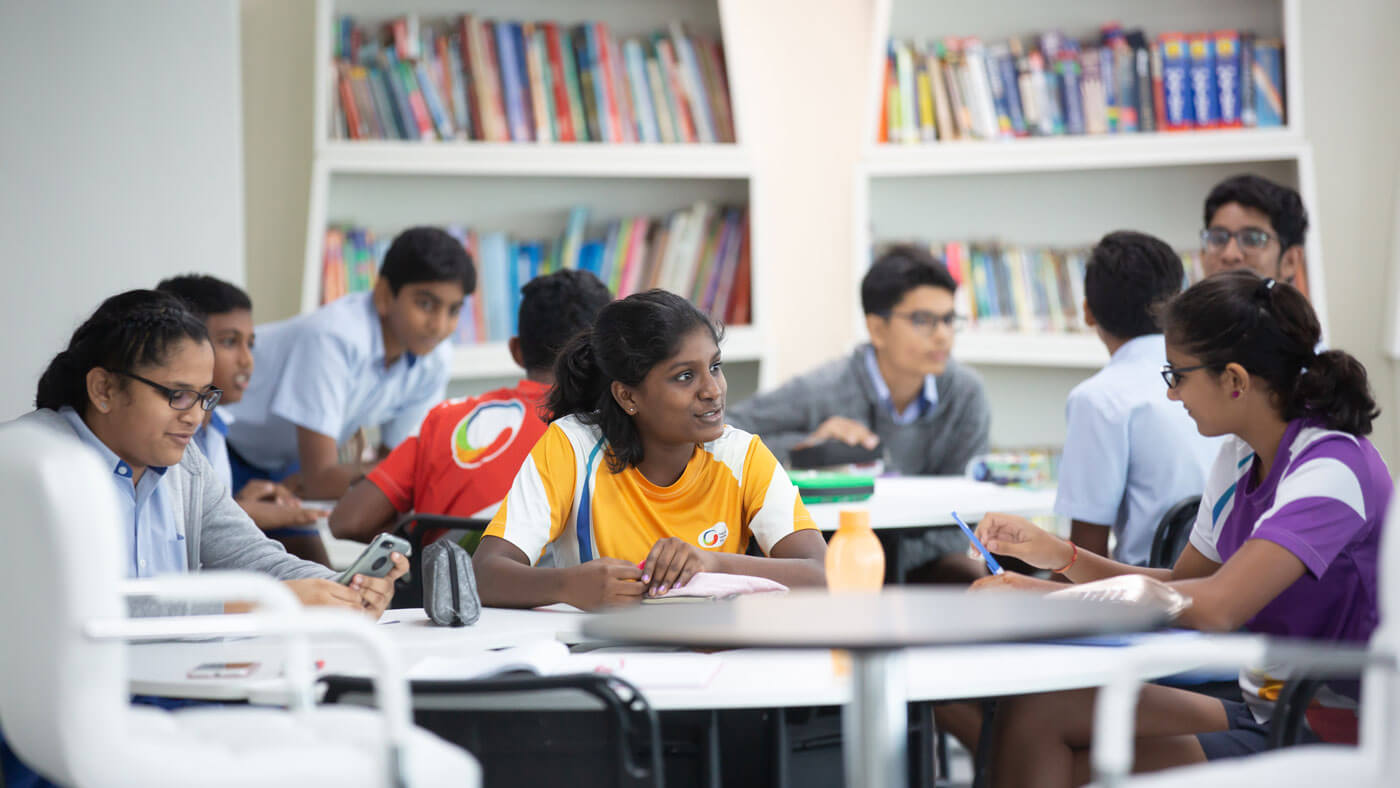
- Classmates can help through group discussions, revision sessions, and sharing different approaches to difficult topics.
Most importantly, students should take an active role in planning their own study routine, an approach encouraged by the best primary schools in Hadapsar to help children understand what works best for their learning style.
How Can Students Build Effective Study Habits for CBSE Board Exams?
1. Create a Realistic Study Schedule
At the start of each week, list the topics you need to study, revise, and practice. Give each study session one clear task, such as “solving five algebra questions” rather than “study Math”. Include school hours, break and sleep, so the plan fits your actual day.
2. Break Large Topics into Smaller Goals
Instead of setting a goal such as “finish Science”, divide it into smaller tasks. For example, students can plan to complete one chapter, revise key concepts, and solve practice questions.
Small goals make progress easier to track.
3. Use Active Learning Techniques
Reading a chapter repeatedly may not always be enough. Students can improve their learning by:
- Explaining concepts in their own words
- Solving questions without looking at answers
- Creating short revision notes
- Using diagrams or mind maps were useful
- Teaching a concept to someone else
At the end of a session, close the book and try to recall the main points before checking what you missed.
4. Make Revision a Regular Habit
Revision should not be left until the end. Students can set aside time each week to revisit earlier topics.
Regular revision can help identify concepts that have been forgotten and provide time to strengthen them.
5. Practice With Sample Papers
Choose the sample question paper and marking scheme for your class, subject, and current academic session. Attempt a paper within its time limit, then compare your answers with the marking scheme. Note whether you lost marks because of a concept gap, an incomplete answer,, or time management. Use that list to plan your next practice session.
CBSE has published separate 2026–27 sample question papers and marking schemes for Class X and Class XII. Link to the relevant year pages when this article is updated.
6. Take Planned Breaks
Studying continuously for several hours can make it harder to maintain concentration. Short breaks between study sessions can help students return to their work with better focus.
Breaks can include stretching, walking, drinking water, or simply stepping away from the desk for a few minutes.
7. Learn How to Manage Exam Stress
Knowing how to manage exam stress is also an important part of board exam preparation. Students can try simple habits such as:
- Following regular sleep timings
- Taking short physical activity breaks
- Eating balanced meals and staying hydrated
- Avoid comparisons with other students
- Discuss worries with a trusted adult or teacher
- Using simple breathing or relaxation exercises
- Focusing on daily progress instead of worrying about the entire syllabus at once
If stress begins to interfere with sleep, concentration, or daily activities, students should speak to a parent, teacher, counsellor, or another trusted adult.
8. Protect Sleep Before Exams
Reducing sleep to study for longer hours can make it harder to concentrate and remember information. Students should maintain a regular sleep routine, especially during the final stages of preparation.
A rested mind can support better focus during both revision and exams.
Students can also use the official CBSE Sample Question Papers and Marking Schemes to understand the latest question patterns, marking criteria, and exam structure before attempting timed practice.
Review Your Study Plan Once a Week
A timetable should change when you learn what needs more attention. At the end of each week, ask yourself:
- Which topics can I now explain or solve without looking at my notes?
- Which mistakes keep appearing in practice answers?
- Have I made time to revise older topics?
- Does next week’s plan leave enough time for rest?
Use the answers to set a few realistic goals for the following week.
Small Habits Make Preparation More Manageable
You don’t need a perfect timetable to prepare well for CBSE board exams. Start with one focused session, one clear goal, and a short review of what you learned. Built from there. Consistent revision, thoughtful practice, and enough rest can help you enter the exam knowing what you’ve prepared and what to do next.
A balanced approach combines focused study, regular revision, practice, breaks, sleep, and emotional support. These habits can help students prepare for their exams while also developing skills that remain useful beyond school in Pune.
For students at GIIS, a structured learning environment can further support academic preparation by encouraging students to become organized, independent, and confident learners.