As education evolves, the traditional methods that often focus on memorisation are no longer enough to help students thrive in their careers.
With the present system remaining exam-centric and teaching focusing on providing information, students need to develop skills and adapt to achieve career growth.
And one such way is Experiential Learning that offers a dynamic, transformative approach for understanding the connection between students’ studies and the working world.
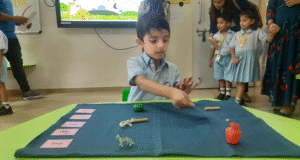
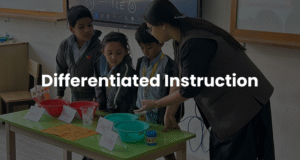
It actively engages students in real-world scenarios, allowing them to construct knowledge and develop skills organically. At GIIS Pune, CBSE Schools near Wakad, we emphasise hands-on learning opportunities to help students connect theory with practice, making learning more engaging and impactful.
Let’s understand this term and its importance –
What is Experiential Learning?
Experiential learning blends classroom learning with practical application and reflection on it.
Unlike traditional learning methods that focus on memorisation, experiential learning helps students engage in activities that make them act and develop something on their own.
Through experiential learning, students actively engage with the subject matter, gaining a clear understanding of their course structure and acquiring practical experience as part of lifelong learning.
David Kolb popularised the concept through his experiential learning theory, which describes learning as a process where knowledge is created through the transformation of experience and the learner’s understanding of concepts, and develops critical thinking and adaptability.
Experiential Learning Theory
The experiential learning cycle has four stages through which individuals learn from experience:
- Concrete Experience (CE) – It is all about gaining new experiences or situations that include reworking old ideas with fresh implications.
- Reflective Observation (RO) – Students learn from experiences and involve reviewing the experience from different perspectives and noticing inconsistencies or patterns.
- Abstract Conceptualisation (AC) – The learning allows individuals to develop new ideas or modify existing ones based on their reflections. They connect the experience to broader concepts, theories, and previous learning, creating abstract models or generalisations.
- Active Experimentation (AE) – It’s a method of making theories into real concepts. The learner actively experiments with their understanding to see if it holds, leading to new concrete experiences and restarting the cycle.
Experiential Learning Activities
Experiential learning activities include different assessments and fieldwork. These opportunities allow students to gain practical experience and modify their learning as needed.
- Experiential Learning in Early Childhood Education –
In early childhood, experiential learning helps students enhance their critical thinking, motivation, boost cognitive development, and improve soft skills. It can be achieved through various activities like feedback, extracurricular activities, field trips, art and craft, and more.
- Experiential Learning in Kindergarten –
In kindergarten, as students are curious, experiential learning helps them understand the concept easily and enhances creativity and critical thinking skills. It can be achieved through activities like arts and crafts, gardening, teamwork, physical games, and more.
- Experiential Learning in Primary School –
In primary school, students become more engaged and enhance their interest in a particular subject. Experiential learning in primary schools can be achieved through activities like art and craft, role play, experiments, simulations, and community services.
- Experiential learning in Middle School –
In middle school, experiential learning helps students make future career decisions and prepares them for better social skills. It can be promoted through activities like internships, role play, CAT classes, field trips, volunteering, extracurricular activities, community activities, and more.
Benefits of Experiential Learning
Here are some of the benefits of experiential learning –
- Foster Creativity: It allows students to engage the creative portions and seek their own unique solutions to solve problems or complete tasks.
- Boost Confidence: It boosts the confidence of students, which allows for the enhancement of creative thinking skills and innovation.
- Enhance Engagement: As students are more interested in practical learning, it helps them to enhance learning and gain a deeper comprehension of the lesson.
- Promote Skill Development: It helps students to gain a detailed overview of any context that enhances their skills.
GIIS Pune and Experiential Learning
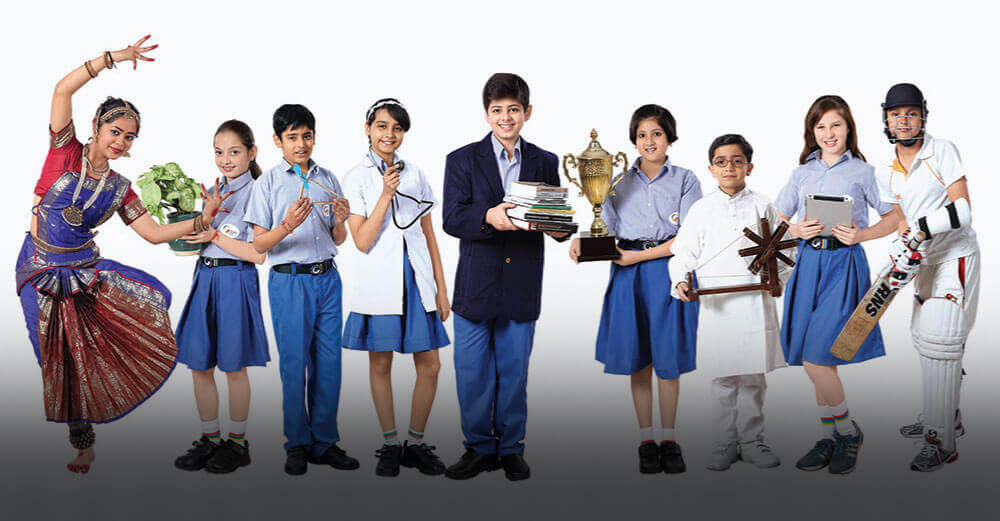
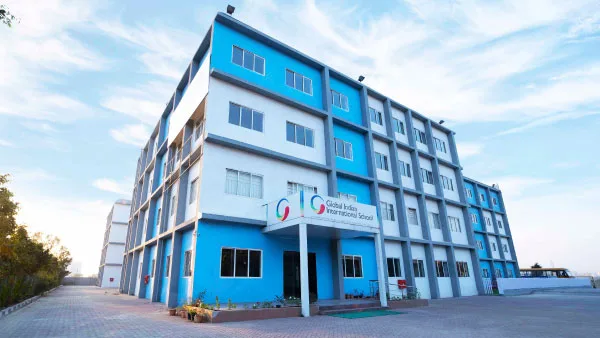
Global India International School (GIIS) Pune is a prime example of an institution that embraces experiential learning within its curriculum, with its 9 GEMS Holistic learning framework, which aims to develop students academically, in sports, creative arts, leadership, and ethical values.
- Project-Based Learning: Students engage in projects that require them to explore real-world challenges, fostering creativity, problem-solving, and research skills.
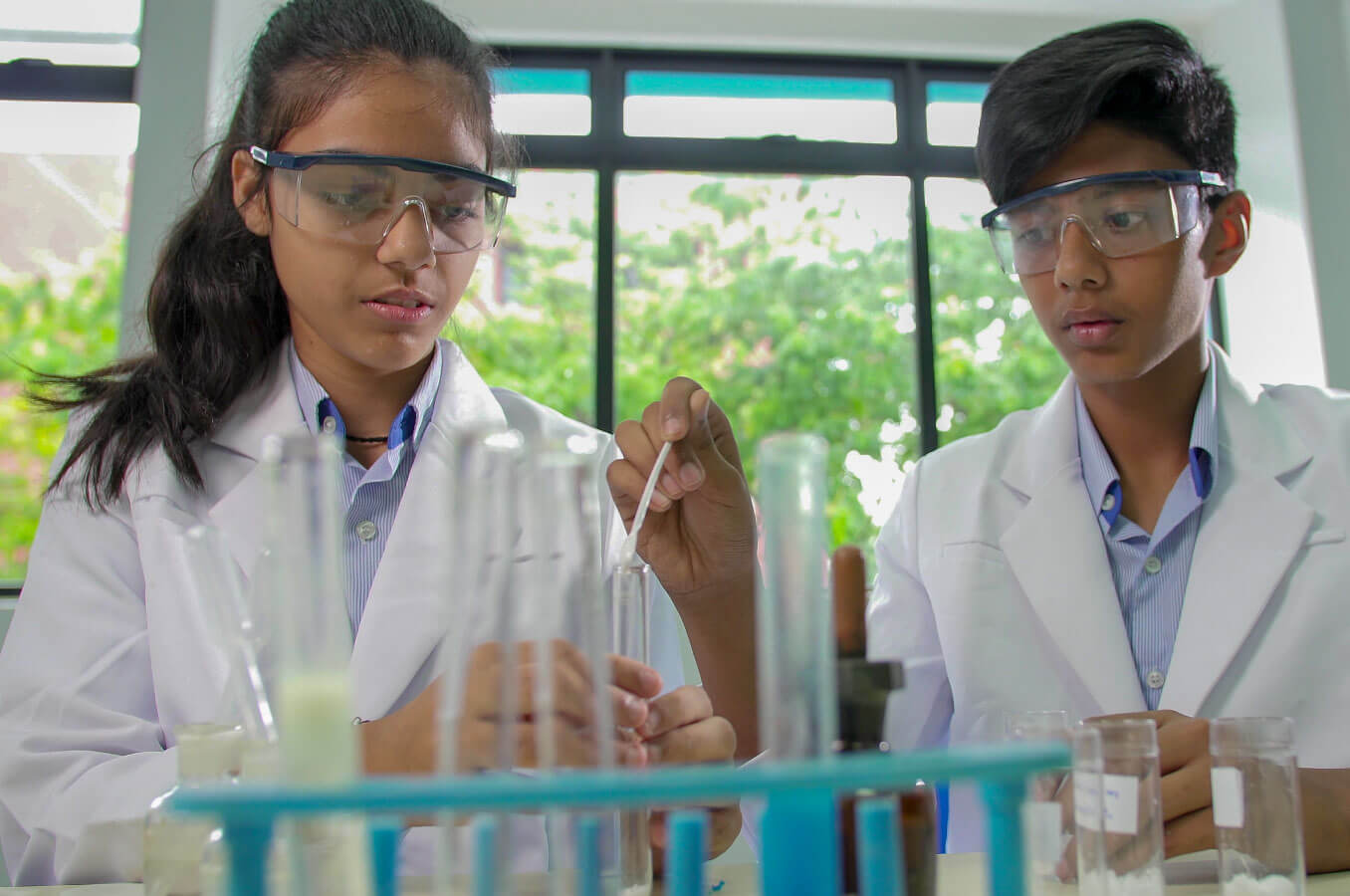
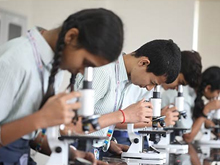
- STEM and Innovation Labs: Modern labs for coding, robotics, and science experiments offer hands-on chances for students to turn textbook theories into reality.
- Field Trips and Outdoor Learning: Educational excursions to diverse locations help students connect classroom content with practical applications and gain first-hand experience.
- Learning Through Arts: Integrating arts across subjects enables students to express their understanding creatively through role plays, visual storytelling, and music.
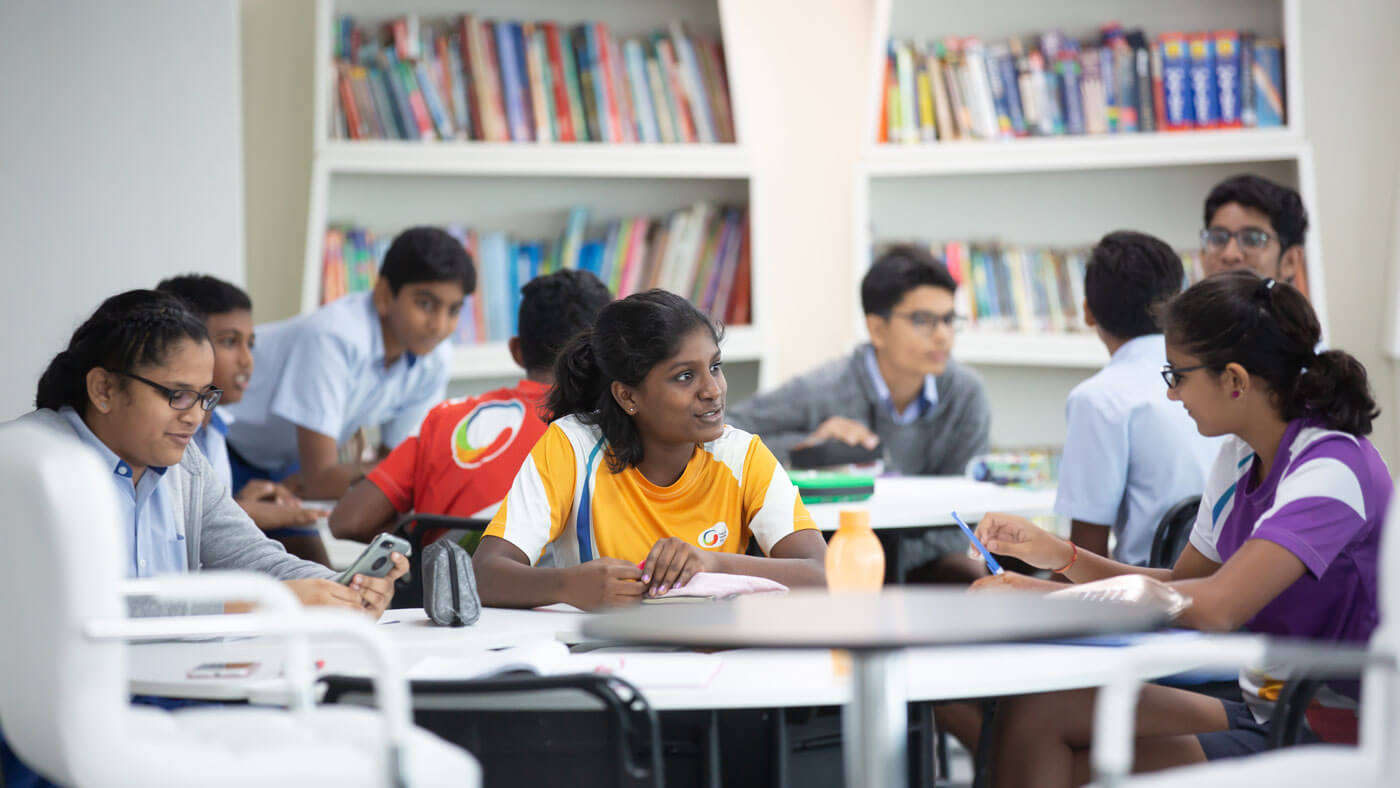
- Peer Teaching and Student Leadership: Students are encouraged to lead discussions and mentor peers, fostering confidence and autonomy in their learning journey.
- Global Knowledge Exchange Program: Through virtual interactions, students from different GIIS campuses work together on projects. This creates a real international and hands-on learning experience.
Conclusion
Experiential Learning is a potent teaching methodology that helps students enhance their skills through hands-on experience and the connection between theoretical knowledge and practical skills.
In addition, it improves knowledge retention, develops critical thinking, and creativity through different activities like hands-on activities, field trips and excursions, simulations, Project-based learning, case studies, and more.
GIIS, one of the Top CBSE Schools in Hinjewadi, offers a progressive curriculum and focuses on a student-centred approach and blended learning to help students grow.
Connect with us today!