Classrooms today are more diverse than before, and there is no “one-size-fits-all” solution that is rarely practical or effective in any scenario, especially in education. Students come with unique backgrounds, learning styles, abilities, and interests.
Differentiated Instruction is a teaching method that adjusts instruction to fit the unique needs of every student in a classroom. This strategy recognises that diverse learners in the classroom have varying learning styles, interests, and readiness levels.
By adjusting content, process, products, and learning environment, educators can ensure that every student is challenged appropriately and achieves success.
In this article, we will understand differentiated instruction and how educators can implement it effectively.
What is Differentiated Instruction?
Differentiated Instruction is not a one-size-fits-all solution. It is an educational approach that customises teaching methods, materials, and assessments to fit the varying needs of students.
This approach offers multiple ways for students to learn, understand, and show their knowledge.
It differs from traditional models where all students get the same instruction at the same pace. The aim is to maximise each student’s growth and success by responding to their unique strengths and development areas.
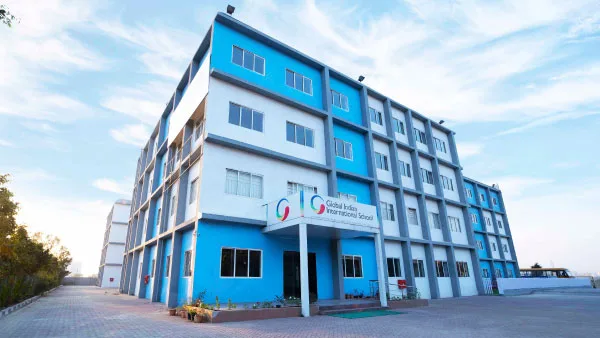
At GIIS, one of the Top CBSE Schools in Baner Balewadi, this approach is increasingly being embraced to create more inclusive and student-centered classrooms.
Teachers can differentiate at least four classroom elements based on student readiness, interest, or learning profile:
- Content – What students learn, including the information and skills students need to master.
- Process – How students engage in order to make sense of or master the content.
- Products – Students demonstrate what they have learned, and are involved, giving students a choice in how they show their understanding.
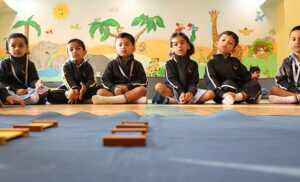
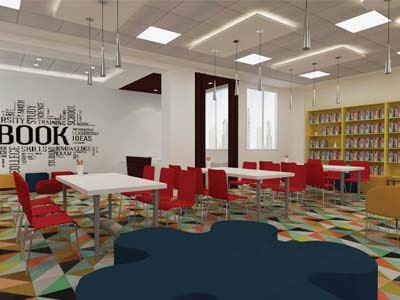
- Learning Environment – The overall climate or tone of the classroom, including physical space, classroom routines, and the psychological atmosphere that supports individual and group work.
Benefits of Differentiated Instruction
Differentiated instruction offers several benefits for students and teachers. It changes teaching methods to match the various needs and learning styles of all learners. Here are some of the advantages:
- Increased Engagement: When using different learning styles, students are more likely to be involved and motivated.
- Improved Academic Outcomes: By interacting with content that matches their learning style, students are able to understand concepts more quickly, and the effects of motivation, understanding, and finally academic success increase.
- Reduced Behavioural Issues: Students who are appropriately challenged and engaged are less likely to exhibit disruptive behaviours, as boredom or frustration is minimised.
- Embracing All Learners: Differentiated instruction uses various methods to support all students, including those with special needs, English learners, and gifted students.
Challenges of Differentiated Instruction
Even with clear benefits, educators often face challenges implementing differentiated instruction:
1. Time-Intensive Planning: To meet the diverse needs of students, educators have to plan and create various lessons and resources for students of different skill levels in large classes. It is very time-consuming and energy-draining.
2. Resource Constraints: Effective implementation of differentiated strategies may be hampered by limited access to a variety of resources and materials.
3. Classroom Management: It can be difficult to oversee a classroom full of students working on various projects at once, and it calls for excellent organisational abilities.
4. Teacher Training: Not all educators have been trained in differentiation techniques, and continuous professional development is essential to build these skills.
Tips for Implementing Differentiated Instruction
- Understand and Assess Student Needs
Use different assessment methods to determine the current performance levels, learning styles, and interests of your students. Understanding your students is the foundation of effective differentiation in education.
- Utilise Technology
Using educational technology provides personalised learning experiences. Digital platforms can offer adaptive learning paths, interactive lessons, and feedback to help students learn at their own pace.
Combine face-to-face instruction with online resources that enhance the learning experience and help to manage different learning needs more effectively.
- Create a Unique Learning Environment
Establish and clearly communicate behavioural and academic expectations. Maintaining consistent routines and applying positive reinforcement can foster a supportive and organised classroom environment. Additionally, motivate students to welcome challenges and see mistakes as valuable learning opportunities.
- Engage and Collaborate with Stakeholders
Communicate and collaborate with parents, teachers, and other stakeholders to regularly share ideas and resources.
Take part in professional development programs aimed at teaching differentiation strategies and classroom management to enhance long-term outcomes. Learning from seasoned practitioners can help with implementation.
- Utilise Flexible Grouping
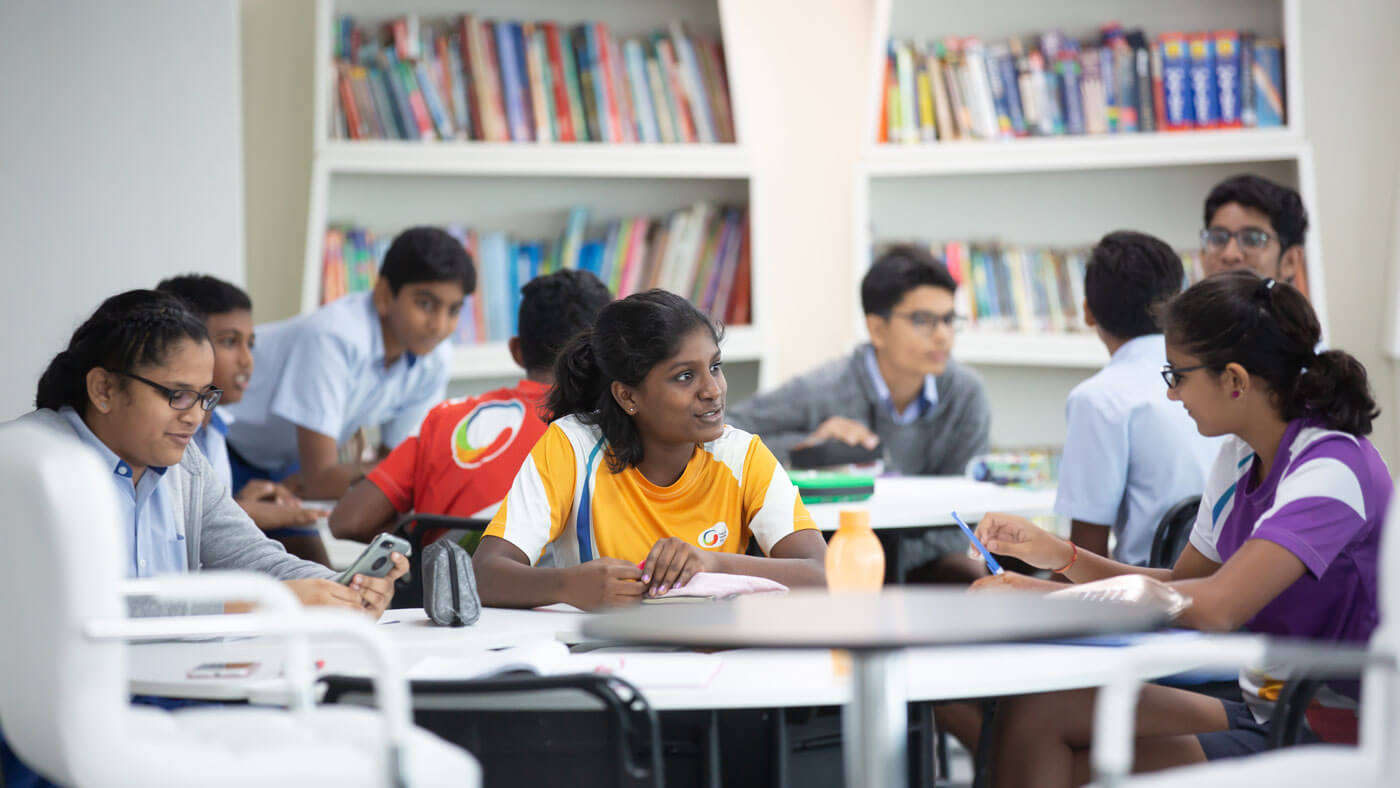
Encourage tailoring of activities to specific readiness levels, interests, or learning styles by grouping students. These groups should be adaptable and not static to specific learning objectives.
This dynamic grouping approach fosters a more personalised and responsive learning environment, encouraging collaboration and individualised growth. Adjust the groupings as needed to align with evolving goals and students’ progress to maximise learning outcomes.
Conclusion
Differentiated learning is a way of thinking that celebrates the variety of students in the classroom, not just a method of instruction.
Teachers can establish inclusive, stimulating, and productive classrooms where all students have the chance to succeed by customising learning experiences to fit each student’s needs.
GIIS, is one of the Best Schools near Baner Pune, ensures that each child is not only prepared academically but also prioritises unique teaching methodologies. It is known for its holistic educational framewor,k 9 GEMS, smart facilities, and unique learning environment that help students grow in confidence, creativity, and lifelong learning skills.