As we know, communication and collaboration have become as important as academic knowledge. One of the most effective ways to develop these skills is through group discussion (GD). But what exactly is a GD, why is it important, and how is it practiced in schools?
What is Group Discussion?
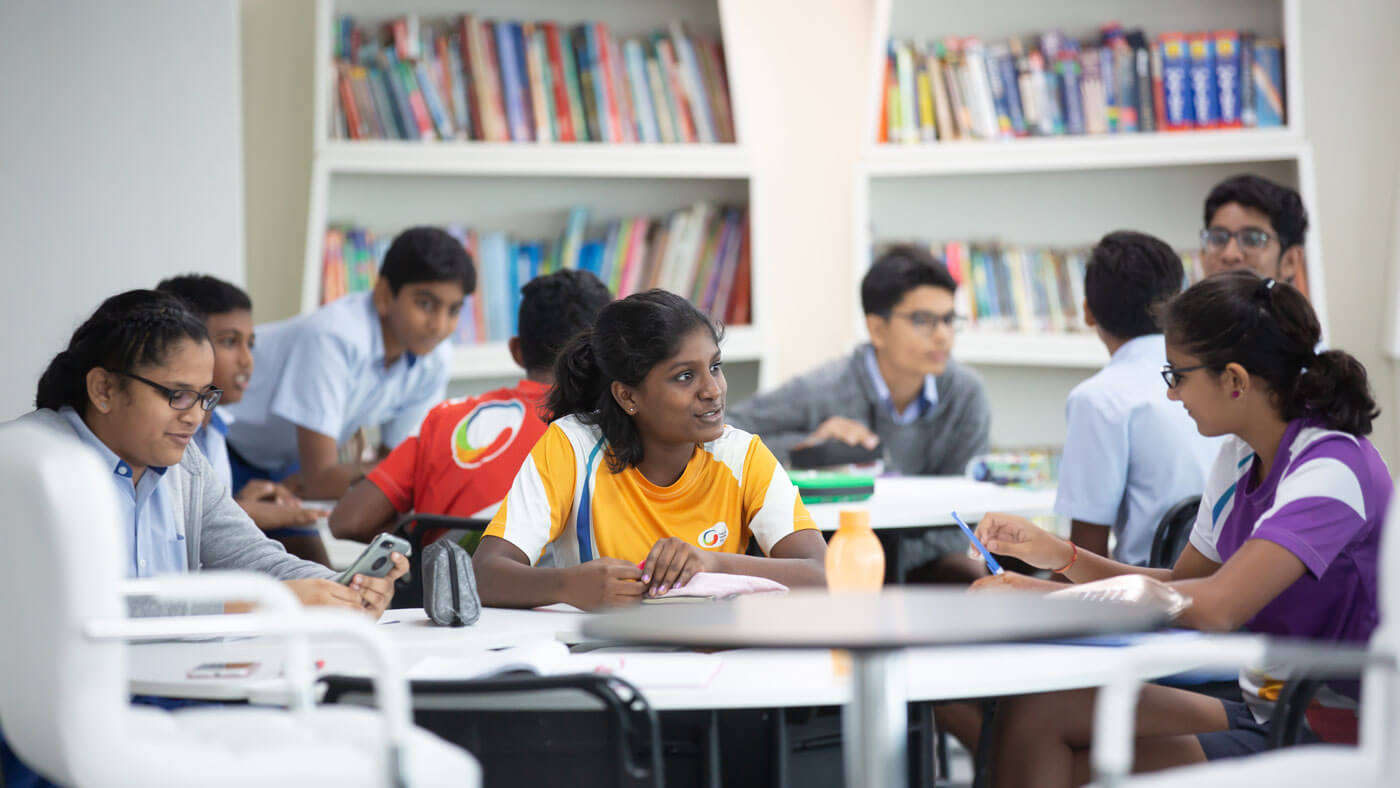
A group discussion is a structured conversation in which a small group of people, typically 6 to 12 participants. They exchange ideas, opinions, and arguments on a specific topic. It is not simply a free-flowing talk; it has a purpose. Whether it is analyzing an issue, brainstorming solutions, or evaluating opinions, the aim of a GD is to gain a deeper understanding of a subject while practicing the art of communication.
In educational contexts such as the best schools in Pune, India, GDs are integrated into classroom activities and assessments. They enable students to practice active listening, develop confidence, and hone critical thinking skills that extend far beyond the confines of textbooks.
The Importance of Group Discussion
The importance of group discussion is best understood when we look at its benefits for students:
- Enhances communication skills – GDs train students to express thoughts clearly, use appropriate language, and listen to others without interruption.
- Encourages teamwork – By working together, students learn cooperation, leadership, and the value of consensus.
- Improves critical thinking – GDs push participants to analyze different viewpoints and question assumptions.
- Boosts confidence – Sharing opinions in front of peers gradually reduces stage fright and builds self-assurance.
- Real-world preparation – Many universities, corporate firms, and competitive exams use GDs as part of their selection processes.
Students in CBSE-affiliated schools in Pune especially benefit because GDs complement the CBSE curriculum, which emphasizes holistic learning and skill development.
Types of Group Discussion
The format depends on the purpose of the exercise. Below are the significant types of group discussion you’ll often encounter:
1. Topic-Based Group Discussions
These focus on a subject or issue. The group debates and tries to reach a conclusion.
- Factual topics – Based on facts, data, or current events (e.g., “The impact of online learning on students”).
- Abstract topics – Open-ended and creative, encouraging lateral thinking (e.g., “Red is better than blue”).
- Controversial topics – Designed to test tolerance and reasoning (e.g., “Should mobile phones be allowed in classrooms?”).
2. Case-Based Group Discussions
Here, students analyze a given case study or real-world scenario. This format is especially useful in management training and higher studies. For example, a case may describe an environmental issue, and students must propose solutions to address it.
3. Role-Play Group Discussions
Each student assumes a role within a scenario, such as a teacher, policymaker, parent, or student, and discusses the topic from that perspective. Schools often employ this method to help learners understand the multiple perspectives of an issue.
4. Problem-Solving Group Discussions
A problem statement is presented, and students brainstorm practical solutions. For example, “How can schools reduce plastic use on campus?”. These discussions test creativity, collaboration, and analytical thinking.
5. Opinion-Seeking Group Discussions
In this format, participants express personal views on cultural, social, or ethical issues. The aim is not to achieve consensus, but to understand diverse perspectives.
At schools in Pune, CBSE teachers often mix these formats depending on learning goals. For younger learners, simpler opinion-based GDs help build confidence. At the same time, older students benefit from case-based and problem-solving sessions.
Skills Developed Through GDs
Beyond academics, GDs cultivate essential life skills:
- Active Listening – Paying attention and respecting others’ opinions.
- Time Management – Organizing thoughts and speaking concisely within a limited time.
- Conflict Resolution – Managing disagreements without hostility.
- Leadership – Guiding discussions, summarizing points, and ensuring equal participation.
These skills are vital not only for academic growth but also for personal and professional success.
Examples of GD Topics for Students
Teachers in CBSE-affiliated schools in Pune often choose topics that are age-appropriate and relatable. Some examples include:
- “Should homework be banned?”
- “Technology: A boon or a bane for students?”
- “Uniforms in schools – necessity or not?”
- “Sports vs. academics: What is more important?”
These examples demonstrate how GDs enable students to express their opinions on issues that directly impact their daily lives.
Why GDs Matter in School Education?
The importance of group discussion in schools lies in its ability to bring the classroom closer to real-world challenges. Unlike rote learning, GDs encourage curiosity, collaboration, and creativity. They also reflect the values of an inclusive learning environment, where every student has a chance to contribute.
When practiced consistently, GDs:
- Bridge the gap between academic knowledge and practical application.
- Prepare students for higher education admission processes and interviews.
- Teach respect for diversity of thought, a skill crucial in today’s global world.
This is why schools that follow a balanced pedagogy, such as CBSE-affiliated schools in Pune, emphasize GDs as part of holistic education.
By encouraging children to participate actively in GDs, parents and schools together can nurture confident, thoughtful, and collaborative learners. Whether it’s an abstract debate or a problem-solving session, GDs remind us that learning is not just about what we know, but also about how we share, listen, and grow with others.