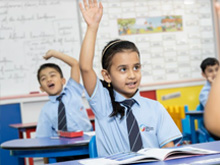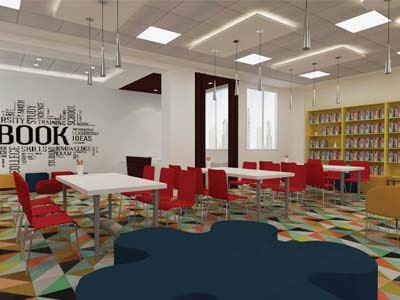
This blog shares first day of school tipsfor parents to help their child have a smooth, confident first day.
The first day of school marks an important step in a child’s learning journey. For many families, it brings a mix of excitement and uncertainty, especially when children are stepping into a new environment for the first time. Parents often worry about separation anxiety, changes in routine, or how their child will adjust to unfamiliar faces and spaces.
Thoughtfully preparing a child for school helps turn these early concerns into confidence. Successful preparation is not about pushing children to learn faster or do more. It is about creating a sense of comfort, building simple habits, and helping children feel secure as they step into a new environment. When children feel supported and understood, the transition into school becomes calmer, smoother, and far more positive.
What School Readiness Really Means (Not Just Academics)
Getting ready for school is not about how much a child knows. It is about how comfortably they can adjust to a new environment, follow routines, and interact with others. School readiness develops through small, everyday experiences that help children feel secure and confident.
School readiness includes four key areas:
- Emotional readiness
Children should feel comfortable spending short periods away from parents and interacting with new adults. Feeling reassured, supported, and understood helps reduce anxiety during the early days of school.
- Social readiness
Simple social skills make a big difference in a classroom. Sharing, listening, waiting for a turn, and following simple instructions help children join group activities easily.
- Physical readiness
Basic self-care skills allow children to manage their day with confidence. Eating independently, using the washroom with minimal support, and looking after personal belongings are essential parts of this stage.
- Routine readiness
Regular sleep times, set meal schedules, and predictable daily transitions help children understand structure. These habits create a sense of stability and support a smoother adjustment through simple school readiness activities practised at home.
Talk to Your Child About School — The Right Way
Children often take emotional cues from the way school is discussed at home. Calm, simple conversations help them feel prepared and reduce unnecessary worry before the first day.
When talking to your child about school, focus on a few clear points:
- Explain what school is in simple terms: meeting teachers, playing with friends, and following a daily routine.
- Use positive, reassuring language without creating fear or pressure.
- Avoid overloading children with too many details at once.
- Let them know it is normal to feel unsure or nervous in new situations.
Answer questions honestly and keep responses short and age-appropriate. Reading school-related storybooks or practising simple role play at home can also help children understand what to expect. These small, consistent conversations serve as gentle school transition tips that support a smooth, confident start.
Build a Simple School Routine at Home
A familiar routine helps children feel secure when they start school. Minor adjustments made early can make daily transitions smoother and less stressful.
To support back to school preparation, parents can focus on a few simple habits:
- Gradually set a regular sleep and wake-up time.
- Practise morning routines such as getting dressed and having breakfast.
- Encourage meals at fixed times to build predictability.
- Reduce screen time, especially in the hours before bedtime.
These steps help children understand structure and prepare them for a school day. Preparing a child for school through routines makes the first weeks easier for kids and parents.
Encourage Independence Through Everyday Tasks
Independence builds confidence and helps children manage their school day more comfortably. This does not mean expecting perfection, but encouraging small, age-appropriate efforts.
Simple activities at home can support this:
- Eating independently and managing water bottles or lunch boxes.
- Using the washroom with minimal support.
- Packing or unpacking their school bag with guidance.
- Wearing shoes and recognising personal belongings.
These everyday habits are natural school readiness activities that help children feel capable and confident as they step into a new learning environment.
Emotional Preparation for Separation and New Environments
Starting school often means being away from parents and adjusting to a new setting. Feeling unsure or nervous during this phase is normal, and emotional preparation helps children handle this change with more confidence.
Parents can support this transition in simple ways:
- Allow children to practise short separations before school begins.
- Encourage them to talk about their feelings and reassure them that it is okay to feel nervous.
- Talk positively about school, including teachers, classrooms, and daily activities.
- Stay calm and confident during drop-offs, as children often reflect a parent’s emotions.
These gentle school transition tips help children feel secure and supported as they adjust to new environments.
Visiting the School and Creating Familiarity
Becoming familiar with a school environment before the first day can help children feel more comfortable and less anxious. When children know what to expect, new surroundings feel safer and more predictable.
Parents can create this familiarity in simple ways:
- Visit the school campus so children can see the classrooms and play areas.
- Talk about teachers, daily activities, and where children will spend time during the day.
- Use positive and reassuring language when describing the school environment.
- Explain routines such as arrival, playtime, and going home simply.
Such early exposure helps children feel prepared and confident.
A Confident Start Makes All the Difference
Preparing a child for the first day of school is not about doing everything perfectly. It is about helping children feel secure, understood, and ready for change. When parents focus on emotional comfort, daily routines, and gradual independence, children are better equipped to handle new environments with confidence. Using “first day of school tips” and keeping a simple child school readiness checklist in mind can make this transition calmer and more positive for both children and parents.
Schools also help by providing organized settings, guidance, and routines suitable for children. Institutions like Global Indian International School focus on creating a supportive and structured environment where children can settle in at their own pace. With caring educators, clear routines, and a balanced approach to development, GIIS helps young learners build confidence from the very beginning. For families exploring options among pre schools in Pune, choosing a school that values emotional readiness alongside learning can make a meaningful difference in how comfortably children begin their school life.