Children understand things better when they learn by doing. That’s what project based learning is all about: a method that turns lessons into real-life experiences. Instead of just reading or memorising, students work on projects that help them explore ideas, ask questions, and find answers on their own.
It could be something simple like building a model, researching a topic, or solving a real problem in their surroundings. Through these activities, they learn to think, create, and work together. A project based learning curriculum makes lessons more fun and helps students see how what they learn in class applies to the real world.
In this blog, we’ll understand what project based learning means, how it helps children, and look at a few real project-based learning examples from classrooms.
What is Project-Based Learning?
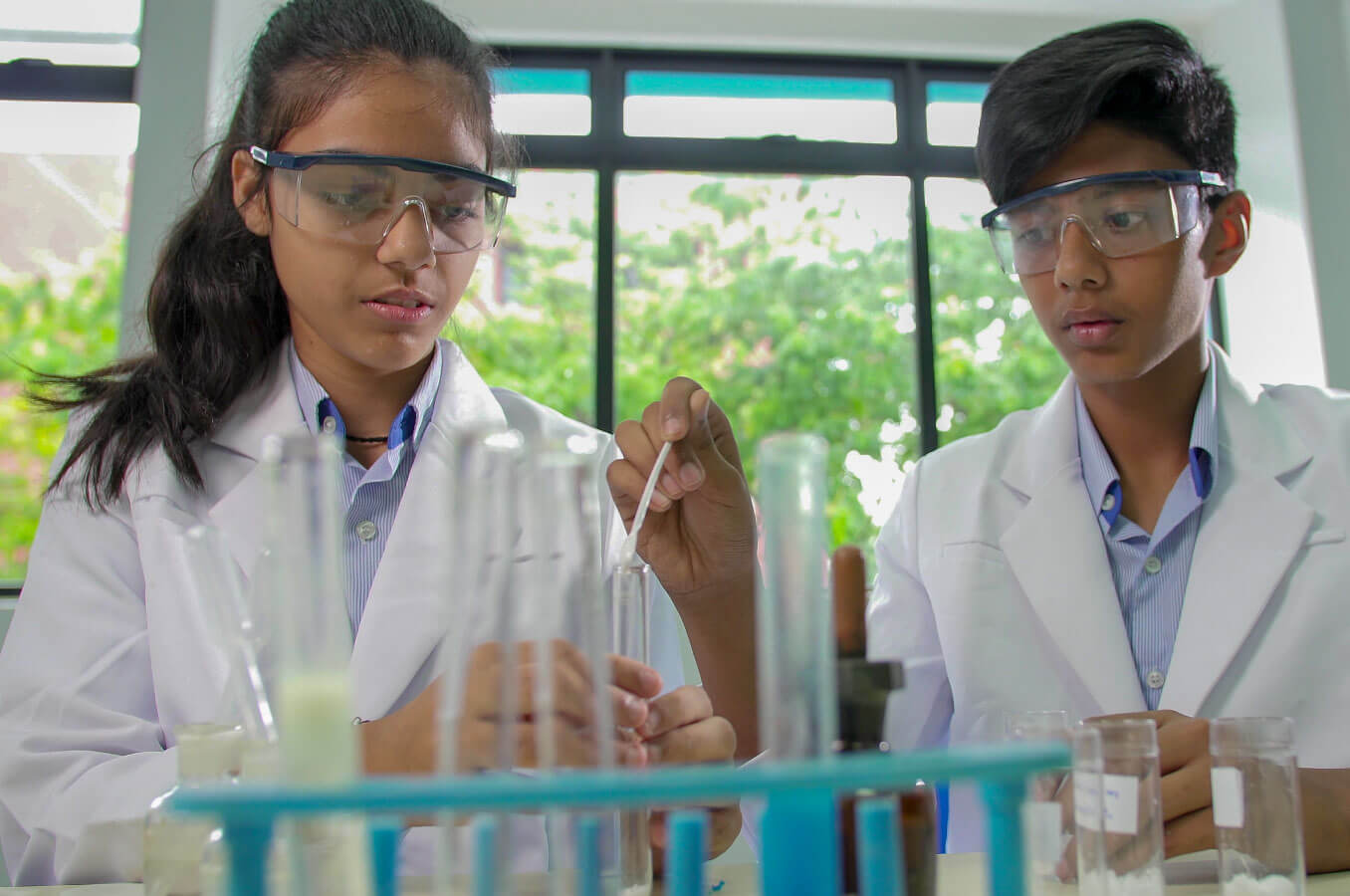
Project based learning is a way of teaching where students learn through hands-on projects instead of just lessons from a textbook. In this method, students work on real problems, ask questions, research answers, and present what they learn in creative ways.
For example, instead of just reading about water pollution, students might create a project to clean a nearby pond or study ways to reduce plastic waste. This makes learning practical and meaningful.
A project based learning curriculum focuses on exploration, teamwork, and problem-solving. It allows children to connect subjects like science, maths, and language through one common project. The goal is not just to learn facts, but to understand how those facts are used in real life.
This type of project based education helps students think deeply, express their ideas clearly, and take ownership of their learning.
How Does Project-Based Learning Work?
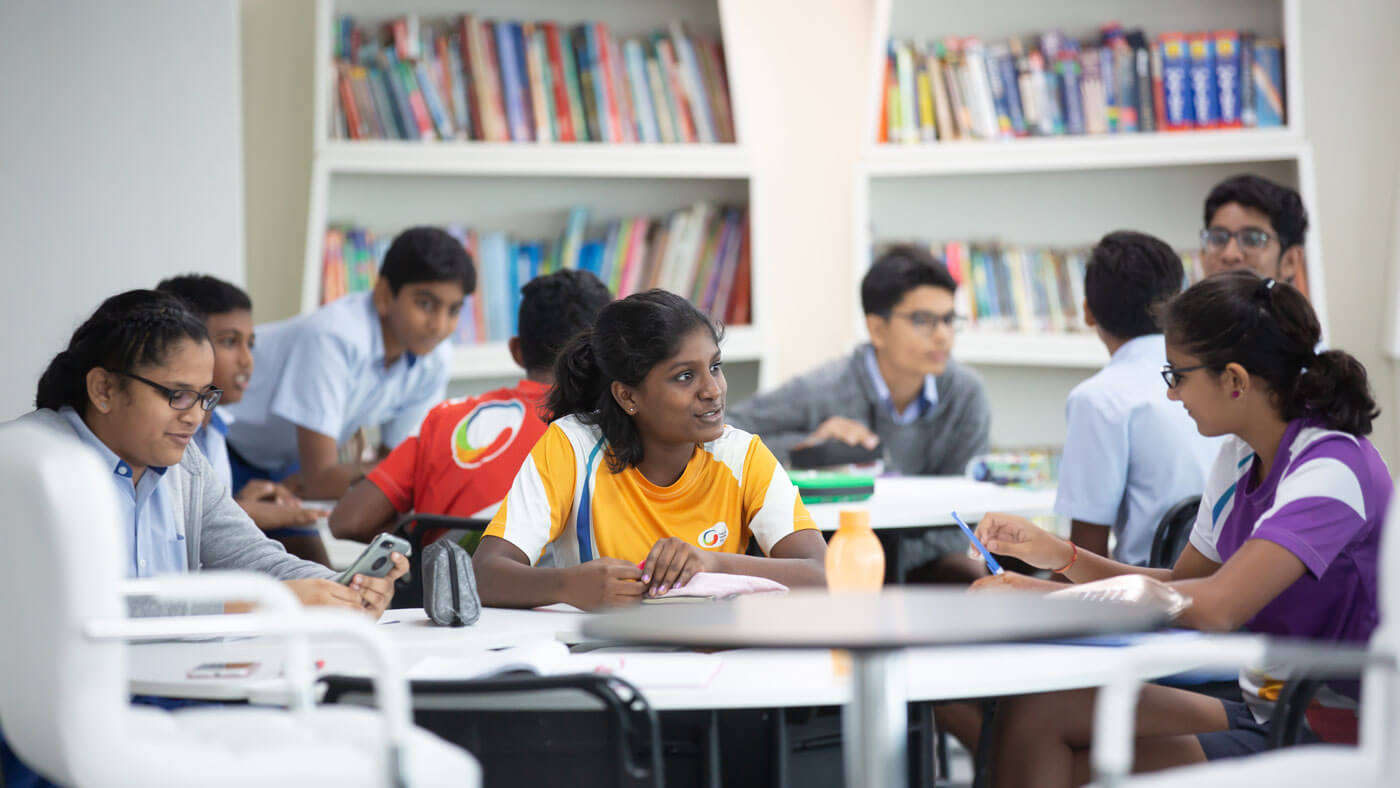
In project based learning, students begin with a question or a problem they want to solve. They explore ideas, do research, discuss with classmates, and then create something that shows what they’ve learnt.
Each PBL project usually follows a few simple steps:
- Ask a question: Start with a real or interesting question, like “How can we save water at school?”
- Plan and research: Students collect information, talk to people, or look for solutions.
- Create and test: They build, design, write, or experiment to find answers.
- Share and reflect: Finally, they present their work and discuss what they learnt.
A project based curriculum focuses on teamwork and creativity. Students learn to share ideas, solve problems together, and take responsibility for their tasks.
Unlike traditional lessons, project based learning teaches children to use different subjects at the same time — science, art, maths, or language to complete one project. This makes learning more connected, exciting, and valuable in real life.
Benefits of Project-Based Learning
Project based learning helps students understand lessons better by involving them directly in the learning process. It makes classes more interactive and builds skills that stay useful for life.
- Encourages deeper understanding:
Students explore topics in detail instead of memorising answers. They learn to ask questions, do research, and understand how things work.
- Builds problem-solving skills:
Working on real challenges helps children think critically and develop their own solutions. It teaches them that there’s more than one way to solve a problem.
- Improves communication and teamwork:
Group projects help kids share ideas, listen to others, and collaborate. This builds confidence and respect for different viewpoints.
- Boosts creativity and confidence:
Hands-on PBL projects let students express ideas freely and try new approaches. Completing a project successfully also gives them pride and motivation to keep learning.
- Connects learning with life:
Project based education shows how lessons apply beyond textbooks. Whether it’s a science experiment or a social study project, students see how what they learn can be used in the real world.
Project-Based Learning Examples
Here are a few simple project based learning examples that show how students learn by doing:
- Science: Students design a mini water filter to learn about clean water and pollution.
- Social Studies: Creating a community recycling plan to understand sustainability and civic responsibility.
- Math: Planning a classroom event and managing the budget to apply practical maths skills.
- Language: Writing and performing a short play to explore communication and creativity.
These project based learning projects make lessons active and engaging. They help students see how classroom learning connects to real life while building teamwork and problem-solving skills.
Project-Based Learning Ideas for Parents and Teachers
Parents and teachers can make learning more exciting by adding small projects to daily lessons. These simple project based learning ideas help children explore, create, and learn with curiosity.
- Start a mini garden: Let children plant seeds, track growth, and learn about nature and responsibility.
- Plan a family budget or trip: A fun way to teach maths, geography, and planning skills together.
- Create a classroom newspaper: Students can write short articles, draw, and edit — improving writing and teamwork.
- Build a model: Make a simple bridge, volcano, or solar oven using everyday materials to connect science with creativity.
- Organise a community project: Encourage children to think of small ways to help — recycling drives, clean-up days, or awareness posters.
These small PBL ideas teach students how to solve problems, work together, and enjoy learning beyond books.
Why Project-Based Learning Matters Today
Education today is about more than just reading and remembering; it’s about understanding and applying knowledge. A project based curriculum gives children the chance to explore real-world problems, ask questions, and find creative solutions.
Through project based teaching, students don’t just learn facts; they learn how to think, collaborate, and take responsibility for their learning. These skills prepare them for the future, where teamwork, problem-solving, and communication matter just as much as academic knowledge.
At GIIS Pune, we believe in learning by doing. Our classrooms are designed to include project based learning projects that encourage curiosity, creativity, and confidence. By blending academics with real-world experiences, we help every student discover the joy of learning and the confidence to lead with ideas.