Have you ever just memorised an answer without understanding it? Or copied someone else’s opinion because it was easier? Many of us do this without thinking twice. That’s why learning what is critical thinking has become so important today.
What Does It Mean to Think Critically?
Let’s begin with critical thinking meaning. It means to think with care, check facts, ask the right questions, and not just accept everything you hear. It is not about being negative. It is about being thoughtful.
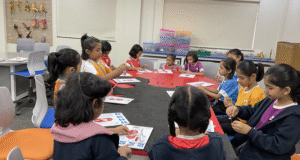
Now, let’s talk about what is critical thinking in education. It means students do more than just listen or write exams. They ask why. They connect ideas. They check if a fact is really true.
In places like schools in Amanora, students are encouraged to use their brain power beyond textbooks. Teachers ask students to think, not just learn by heart.
Why It’s Needed in Every School Today
In today’s world, knowledge changes fast. What you learn this year may be old by next year. But thinking stays. If you know how to think better, you can learn anything, even in future.
Many schools, including schools in Balewadi Baner, now add activities where students solve puzzles, hold debates, or reflect on daily problems. These don’t look like normal lessons, but they teach how to question, reason, and reflect.p
When you apply thinking to any subject, you understand more and remember longer. Whether it is history or maths, when you connect things logically, it makes sense.
How Critical Thinking Helps in Everyday Life
Think about this. You hear two people share opposite views on social media. Who do you believe? That’s when you need to think.
If you understand what is critical thinking skills are, you won’t just agree blindly. You will look at facts. You will check sources. You may even change your opinion after some thought.
Students from good schools in Hadapsar Pune, often practise such habits. In their classrooms, teachers give real-world examples and let students take the lead. This makes learning fun and useful.
Thinking Vs Memorising – A Clear Difference
Just memorising facts will not help when the question changes. You will be stuck. But if you understand how to break a problem into parts, you will find an answer. That’s why critical thinking and problem solving are closely linked.
If your teacher gives you a maths word problem, you must read it well, pick out the main parts, and plan how to solve it. That’s not just maths. That’s thinking in action.
And the good part? It doesn’t stop at school. Even in daily life—budgeting, making choices, understanding the news—you use the same skills.
Simple Daily Habits to Build Thinking Skills
Here’s how to start. Don’t wait for someone to teach you in class. Try these yourself.
| Technique | What You Can Do |
| Ask “Why” More Often | Don’t stop at the answer. Ask why it is correct. |
| Mind Maps | Link topics in diagrams to see full picture. |
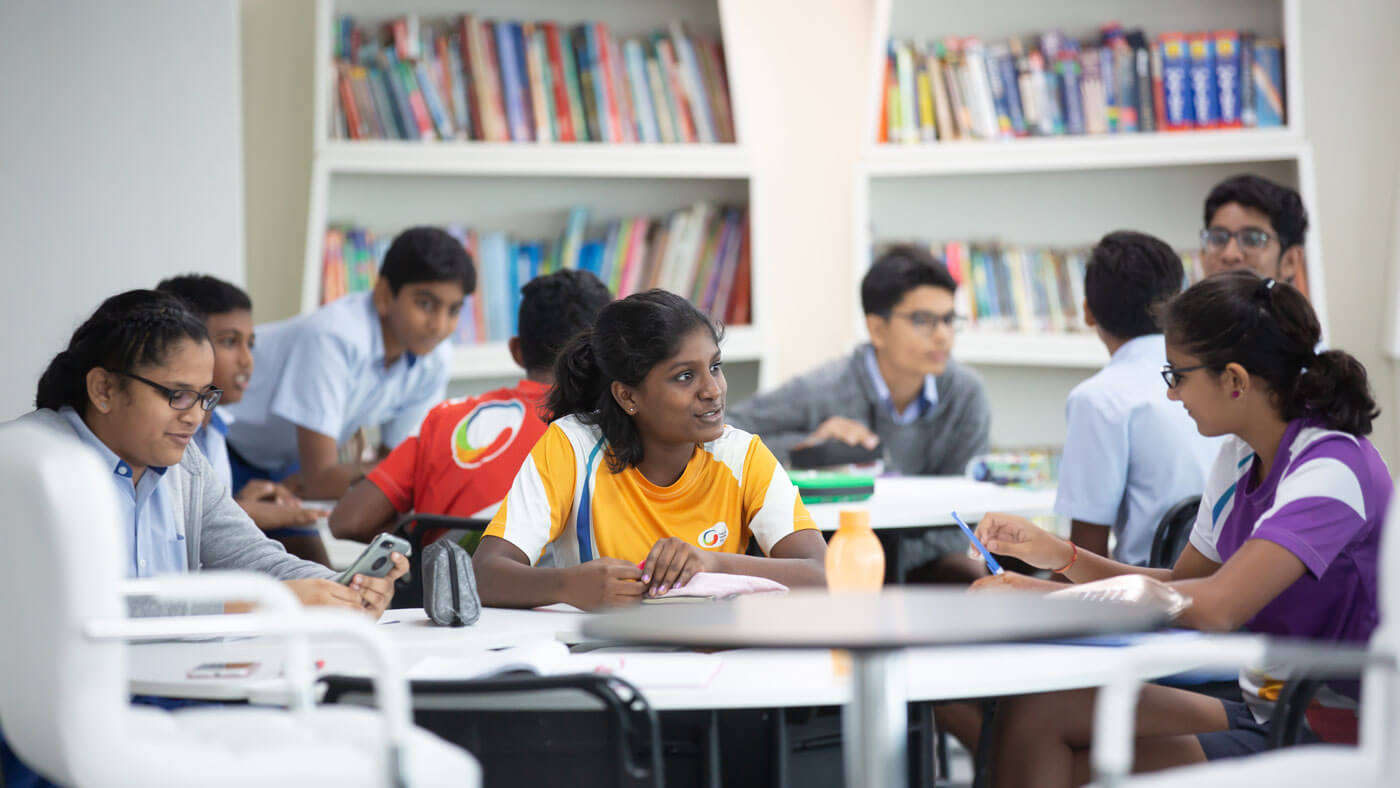
| Think-Pair-Share | Discuss answers with friends and hear different views. |
| Break Big Problems Down | Cut the task into smaller steps before solving. |
| Reflect on Mistakes | After a test, check not just where, but why you went wrong. |
Over time, these habits become part of how you think. They don’t need extra time, just attention.
Examples from Real Classrooms
Let’s say your teacher gives you a question about climate change. You don’t just write definitions. You research. You see its effect on crops. You look at different countries. You ask what students your age can do.
Now compare this to just writing one textbook answer. Which one stays in your mind longer?
In many classrooms across schools in Amanora, these types of questions are becoming common. They make learning active. You are part of the idea, not just watching it.
Why All Subjects Need Thinking
Some students think only science or maths need logic. But even subjects like art or language need thinking.
When you write an essay, you must plan ideas, organise them, and choose the right words. That’s also thinking. When you learn a poem, you can ask what it really means, not just say it aloud. That’s where critical thinking skills get used in new ways.
Problems Without Critical Thinking
Without thinking, we believe anything we see. We forward fake news. We get confused in exams. We depend too much on others.
That’s why students who lack this skill often feel lost when questions become tricky. They can read, but not analyse. They can write, but not explain.
So, learning what is critical thinking helps not just in exams but also in life. It builds your voice. It helps you lead, not follow blindly.
Final Thoughts
Now that you know what is critical thinking in education, it’s time to make it part of your daily habits. You don’t need to wait for a subject or lesson. It starts with one question. One pause. One reason to ask “Why?”
Remember, both smart memory and smart thinking are good. But when combined, they make a strong student. Share this with your friends and family. Let’s all grow as thinkers, not just learners. We’re with you on this path.