With the educational landscape constantly evolving, and at the forefront of this transformation is hybrid learning.
Tools like web-based applications, digital content, and videos have been around for decades, but the hybrid learning technique is more than just tossing half of your syllabus.
This approach, often seen in institutes adopting the CBSE Curriculum, combines the strengths of traditional in-person teaching with the flexibility and convenience of online learning. It’s not just a short-term fix; it’s a strong model that changes how students learn and teachers instruct, making education more flexible and engaging.
In this blog, we will discuss Hybrid learning further.
What is Hybrid Learning?
Hybrid learning is an educational approach where some students participate in class in person, while others join remotely online home.This means a single lesson can have students physically present in the hybrid classroom and others participating remotely via video conferencing tools.
The hybrid class meaning emphasises this dual mode of delivery, ensuring that both sets of learners receive instruction simultaneously.
In some cases, hybrid classes include asynchronous learning elements like online exercises and pre-recorded video instruction to support face-to-face classroom sessions.
How Does Hybrid Learning Work?
In a Hybrid education system, a blended approach that combines the strengths of traditional face-to-face teaching with the flexibility of online learning.
- Integrated Technology – Classrooms are equipped with cameras, microphones, and interactive whiteboards to ensure remote students can see, hear, and interact with the teacher and their in-person peers.
- Learning Management Systems (LMS) – The platforms, like Google Classroom and other tools, can serve as central locations for communication, assignments, discussions, and course materials. Any student, wherever they may be, can use these resources.
- Synchronous and Asynchronous Activities – Live sessions (synchronous) provide real-time interaction. Recorded videos, online assignments, and discussion boards (asynchronous) allow students to review content at their own pace.
- Teacher as Facilitator – The teacher takes on the role of a facilitator. They manage both in-person and online interactions. They ensure equal participation and offer support to all learners.
Benefits of Hybrid Learning
- Flexibility – Hybrid learning means that students can balance their studies with other commitments, making education more accessible to those with varying schedules, geographical constraints, or personal circumstances.
- Personalised Learning Experiences – It creates personalised learning paths using technology like online resources, enabling students to revisit complex topics or delve deeper into areas of interest.
- Enhance Engagement – While some students are visual learners, others are auditory, and some might love interactive settings. Combining live interactions with digital tools helps to cater for these diverse learning styles more effectively.
- Development of Digital Literacy – Students naturally develop crucial digital skills by navigating online platforms and collaborating virtually, preparing them for a technology-driven world.
- Broader Reach – Educational institutions can reach a wider student population, including those who might not otherwise have access to quality education.
Hybrid Learning Vs Traditional Learning
Let’s compare the hybrid classroom to the traditional model –
| Factors | Traditional Learning | Hybrid Learning |
| Flexibility | Does not offer flexibility in schedule or learning | Provides flexibility with remote sessions |
| Interaction | Physical or in-person interactions | Interaction through virtual calls and in-person |
| Teaching Approach | Allows a uniform approach to teaching. | Involves multiple approaches to adapt to the needs of virtual and in-person students. |
| Student Engagement | Depends on the class environment | Depends on the interactive tools based online |
| Access to Resources | Rely on physical textbooks, library materials, and classroom notes. | Wide access to digital resources, online libraries, multimedia content, and pre-recorded lectures. |
Challenges of Hybrid Education
Hybrid learning can be tough for students and teachers. They face challenges with planning, travel, and adjusting course formats between in-person and online.
Additionally, they may need to handle a lot of information to teach and learn in a short time.
- Maintaining Student Engagement: It can be challenging to keep both groups of students equally engaged and prevent remote learners from feeling isolated or disconnected.
- Teacher Training: Adapting to a hybrid model requires teachers to adopt and get comfortable with new technology.
- Ensuring Equity: Delivering a truly equitable experience for all students, regardless of their mode of attendance, requires careful planning and resources.
- Social Isolation for remote students: While flexible, purely remote participation can sometimes lead to reduced social interaction and a feeling of disconnect from the school community.
Conclusion
The educational landscape is changing, and the move toward more flexible and effective learning models is clear.
Hybrid learning is a more adaptable, inclusive, and forward-looking education model that combines the strengths of both in-person and online methods. It also lets students learn at their own pace and in ways that fit their individual needs.
As schools continue to innovate, hybrid learning will undoubtedly remain a cornerstone of modern pedagogy, ensuring education is more adaptable and practical for all, and preparing students for the future.
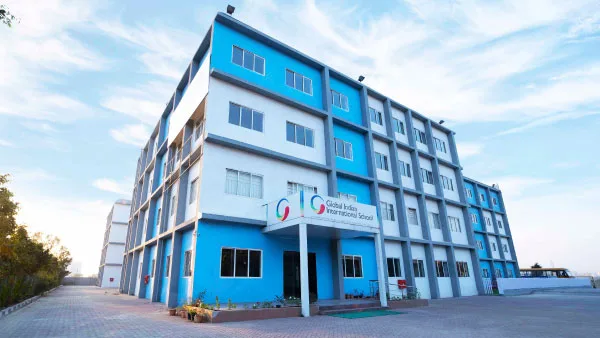
At GIIS Pune, one of the Best International Schools, we emphasise providing a unique learning environment and teaching methodology to help students thrive academically and personally.