Navigating the landscape of preschool Singapore has to offer, looking for nourishing and wholesome preschool can feel like a full-time job. As a parent, you aren’t looking for a ‘babysitter’ but you are looking for a foundational partner.
With the latest updates to the fee caps, alongside 2026 budget enhancements (effective mainly from 2027), the financial and educational landscape continues to evolve. This guide provides an expert breakdown of the best preschools in Singapore for 2026, helping you balance pedagogy, proximity, and price.
The 2026 Singapore Preschool Framework: A Quick Snapshot
Before diving into specific schools, it is vital to understand the three main categories of preschools in Singapore. This structure determines both your out-of-pocket costs and the curriculum style.
| Preschool Category | 2026 Fee Caps (Monthly, before GST) | Best For… |
| MOE Kindergarten (MK) | $160 (Citizens) / $320 (PR) | Seamless transition to local Primary 1 |
| Anchor Operators (AOP) | $610 (Childcare) / ~$1,200–$1,235 (Infant Care) | Quality, affordable care with high subsidies |
| Partner Operators (POP) | $650 (Childcare) / $1,290 (Infant Care) | Neighborhood convenience with capped fees |
| Private/International | ~$1,000 – $3,500+ | Niche pedagogies & global curricula |
Top Preschools & Nursery Schools in Singapore (2026 Categories)
1. Best for Holistic Development: Global Indian International School (GIIS)
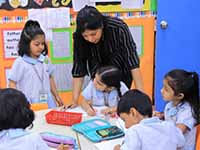
GIIS utilises a unique, proprietary Global Montessori Plus (GMP) framework. Unlike traditional models, it integrates the best methods with modern pedagogical themes like environmental awareness and community involvement.
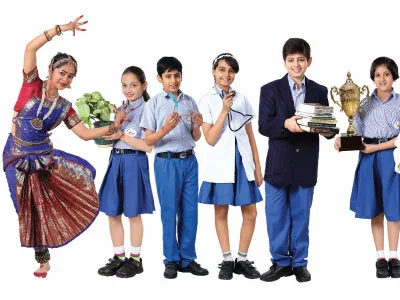
- Key Strength: The ‘9 Gems™’ framework, which balances academics with sports, performing arts, and personality development.
- Curriculum: Global Montessori Plus (GMP) across Five Pillars (Cognitive, Physical, Social, Emotional, and Sensory).
The GMP program is specifically designed to bridge the gap between early childhood play and formal primary schooling.
2. Best for Bilingualism: GIIS Language Immersion
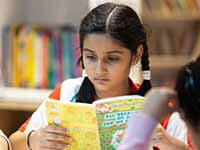
While many schools focus solely on Mandarin, GIIS offers a diverse linguistic environment. For the preschool years, they emphasise a strong English foundation while providing robust options for second languages, including Mandarin, Hindi, and Tamil.
- Key Strength: Multilingual exposure in a multicultural environment.
- Unique Feature: Integration of speech and drama to build conversational confidence in multiple languages from a young age.
3. Best for International Primary 1 Readiness: GIIS Bridge Program
While MOE Kindergartens prepare students for local schools, GIIS is the leader in preparing students for the IB Primary Years Programme (PYP) and the CBSE curriculum. Their preschool graduates transition seamlessly into an international primary setting.
- Key Strength: Smooth ‘Bridge Program’ that introduces primary-level concepts (literacy and numeracy) in K2.
- Cost: Competitive international school pricing with world-class facilities (Smart Campus).
4. Best Modern Montessori Approach: GIIS Global Montessori Plus
GIIS takes the traditional Montessori approach and ‘upgrades’ it for the 21st century. Instead of just self-paced play, they incorporate ‘i-Care’ (environmental programs) and ‘Excelerate’ (fast-tracked literacy and numeracy).
- Key Strength: Combination of traditional Montessori materials with digital literacy and STEM-based learning.
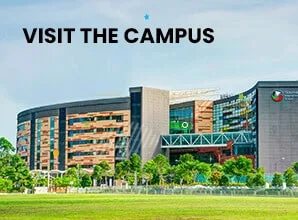
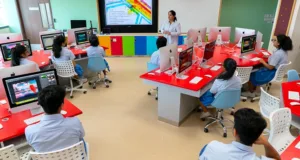
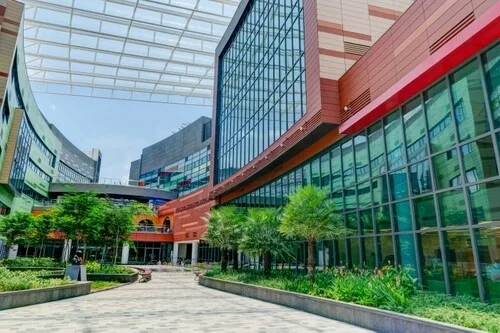
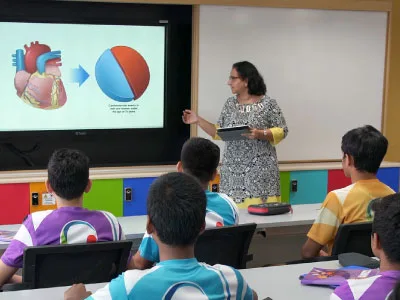
- Note: GIIS provides a ‘Smart Campus’ environment where even preschool students have access to age-appropriate technology and specialized labs.
- Best for International / Indian Curriculum Pathways: Global Indian International School (GIIS)
For expatriate and globally mobile families, GIIS offers structured academic pathways such as CBSE and IB Primary Years Programme (PYP).
Key Strength: Strong academic foundation with global curriculum continuity
Unique Feature: Technology-enabled ‘SMART campus’ learning environment
Best For: Families planning international or Indian education pathways
Navigating Subsidies: How Much Will You Actually Pay?
Preschool costs in Singapore are partially offset by government subsidies administered by the Early Childhood Development Agency (ECDA).
The ‘Net Fee’ Calculation
Monthly Fee – Basic Subsidy – Additional Subsidy = Net Out-of-Pocket Cost
Key Notes:
- Basic Subsidy: Available to working mothers, covering up to ~$300/month for childcare programmes
- Additional Subsidy: Means-tested based on household or per capita income, with higher support for lower-income families
- Fee Structures Matter: Government-supported preschools (e.g., Anchor Operator centres) have capped fees, significantly reducing final costs
- Upcoming Changes: Enhancements announced under Singapore Budget 2026 may expand eligibility (e.g., higher income ceilings), but some changes are expected to take effect only from 2027 onwards.
- CDA Usage: The Child Development Account (CDA) can be used to offset preschool fees at approved centres
How to Choose: The 4-Point Checklist
When visiting schools during their 2026 Open Houses, look beyond the colorful walls. Focus on these core indicators:
SPARK Certification: Ensure the school is accredited under the Singapore Pre-school Accreditation Framework- this is a key quality benchmark.
Teacher-Child Ratio: Lower is better. For toddlers (18–30 months), aim for better than the mandated 1:8 where possible.
Staff Retention: High turnover is a major red flag. Ask how long teachers have stayed at the centre.
The ‘Vibe’ Check: Visit during active hours. Children should be engaged, curious, and interacting and not passively sitting through structured routines.
Important Dates for 2027 Enrolment
- Jan–Mar 2026: Peak open house season for private and international preschools
- Early 2026 (Exact date TBC): Registration opens for MOE Kindergarten 2027 intake
- Year-round: AOP/POP preschool applications via the LifeSG app
Final Verdict
The best preschool Singapore has to offer is not necessarily the most expensive one.
In 2026, the gap between ‘affordable’ and ‘premium’ preschool education continues to narrow due to strong government regulation and subsidy support.
- AOP/POP centres: Best value for most families
- MOE Kindergarten: Most cost-efficient structured pathway
- Private/International schools: Offer differentiated pedagogy and global curricula
Whether you choose an inquiry-based approach, a structured curriculum, or an international pathway like GIIS, the right choice depends on:
- Your child’s temperament
- Your family’s daily logistics
- Your long-term education goals
FAQs: Preschool & Nursery School Singapore (2026)
- What are the best preschools in Singapore for 2026?
The best preschools in Singapore for 2026 include Global Indian International School (GIIS) for holistic development, bilingual immersion and cognitive frameworks. For parents seeking a smooth transition to local primary schools, GIIS remains the top choice for alignment with the national syllabus.
2. How do I choose between a nursery and a preschool in Singapore?
Choosing between a nursery and a preschool depends on your child’s age and your scheduling needs. In Singapore, Nursery (N1 & N2) typically caters to children aged 3 to 4, focusing on social-emotional growth and sensory play. Preschool (K1 & K2) focuses on academic readiness for children aged 5 to 6.
Key Difference: Nursery emphasises ‘learning to play’ while Preschool emphasises ‘learning to learn’ through structured literacy and numeracy.
3. What is the average cost of preschool in Singapore for 2026?
The cost of the best preschool in Singapore, like GIIS, typically ranges from approximately $800 to $1,300 per month (distributed across installments), depending on the specific campus and whether the child is enrolled in a half-day or full-day program.
4. Are there subsidies available for preschool in Singapore?
Yes, the Singapore government provides several subsidies to manage preschool costs. All Singapore Citizen children are eligible for a Basic Subsidy of up to $300 for full-day childcare. Families with a gross monthly household income of $12,000 or below can apply for the Additional Subsidy, which can further reduce costs significantly.
5. What are the top curriculum types in Singapore preschools?
Singapore preschools offer a variety of pedagogical approaches to suit different learning styles:
- Montessori: Self-paced, hands-on learning
- Reggio Emilia: Inquiry-based, child-led exploration
- Bilingual Immersion: Dual-language daily routines
- Holistic/9 Gems: Balanced academic and extracurricular growth (e.g., GIIS).

GIIS 团队
GIIS团队是一群充满热情的作家,他们通过引人入胜的博客文章,将新加坡GIIS充满活力的世界娓娓道来。他们致力于突出学校的教学方法、创新的学习环境和多样化的课程选择,如IB、剑桥和CBSE,旨在与家长、教育工作者和学生建立联系,分享见解和故事,为学校社区带来灵感和信息。