Key Highlights
- Holistic learning focuses on overall student development, not just academic performance
- Builds essential skills of learning, like critical thinking, communication, and adaptability
- Supports emotional wellbeing, reduces stress, and improves student confidence
- Encourages creativity, participation, and practical understanding through activities
- Promotes strong education values such as teamwork, responsibility, and respect
Today, education is not just about scoring well in exams. Parents are increasingly focusing on the overall growth of their children, including their thinking ability, confidence, and emotional wellbeing. This shift highlights the growing importance of education beyond academics.
Students now need more than textbook knowledge. They need the right skills for learning, the ability to adapt, and strong educational values to succeed in a changing world. This is where holistic learning plays an important role.
Holistic learning focuses on developing every aspect of a student. It combines academics with creativity, physical activity, and emotional growth. Many parents choosing an international school today look for this balanced approach to ensure their child’s complete development.
In this blog, we will explore what holistic learning means and the key benefits it offers for student growth and future success.
What Is Holistic Learning?
Holistic learning is an approach to education that focuses on the overall development of a student, not just academic performance. It goes beyond textbooks and exams to include emotional, social, physical, and creative growth.
In simple terms, holistic learning helps students become well-rounded individuals. It connects different aspects of learning so that students not only understand concepts but also apply them in real life.
Key elements of holistic learning include:
- Academic understanding
- Emotional wellbeing
- Physical development
- Creative expression
- Social interaction
Unlike traditional methods that focus only on marks, this approach builds strong educational values and essential skills of learning that students need for long-term success.
In short, holistic learning = learning for life, not just for exams.
Top 10 Benefits of Holistic Learning
-
Improves Focus and Discipline
Holistic learning helps students follow a balanced daily routine that includes study, play, and rest. This natural structure builds discipline without making learning feel forced.
Over time, students develop better attention spans and learn how to manage their time effectively. This reduces distractions and improves consistency in both academics and daily habits.
-
Enhances Cognitive Skills
This approach encourages students to think beyond textbooks. They are guided to question, analyse, and apply concepts rather than simply memorise them.
As a result:
- Stronger problem-solving abilities
- Improved logical thinking
- Better decision-making skills
Research in education shows that active learning methods can significantly improve students’ understanding and retention compared to passive learning.
-
Reduces Stress and Improves Wellbeing
Holistic learning creates a balanced environment where academics are combined with creative and physical activities. This reduces constant academic pressure.
Activities like music, art, and movement help students relax and recharge. As a result, they experience lower stress levels and better emotional stability.
Students feel more motivated and less overwhelmed during their learning journey.
-
Builds Confidence and Participation
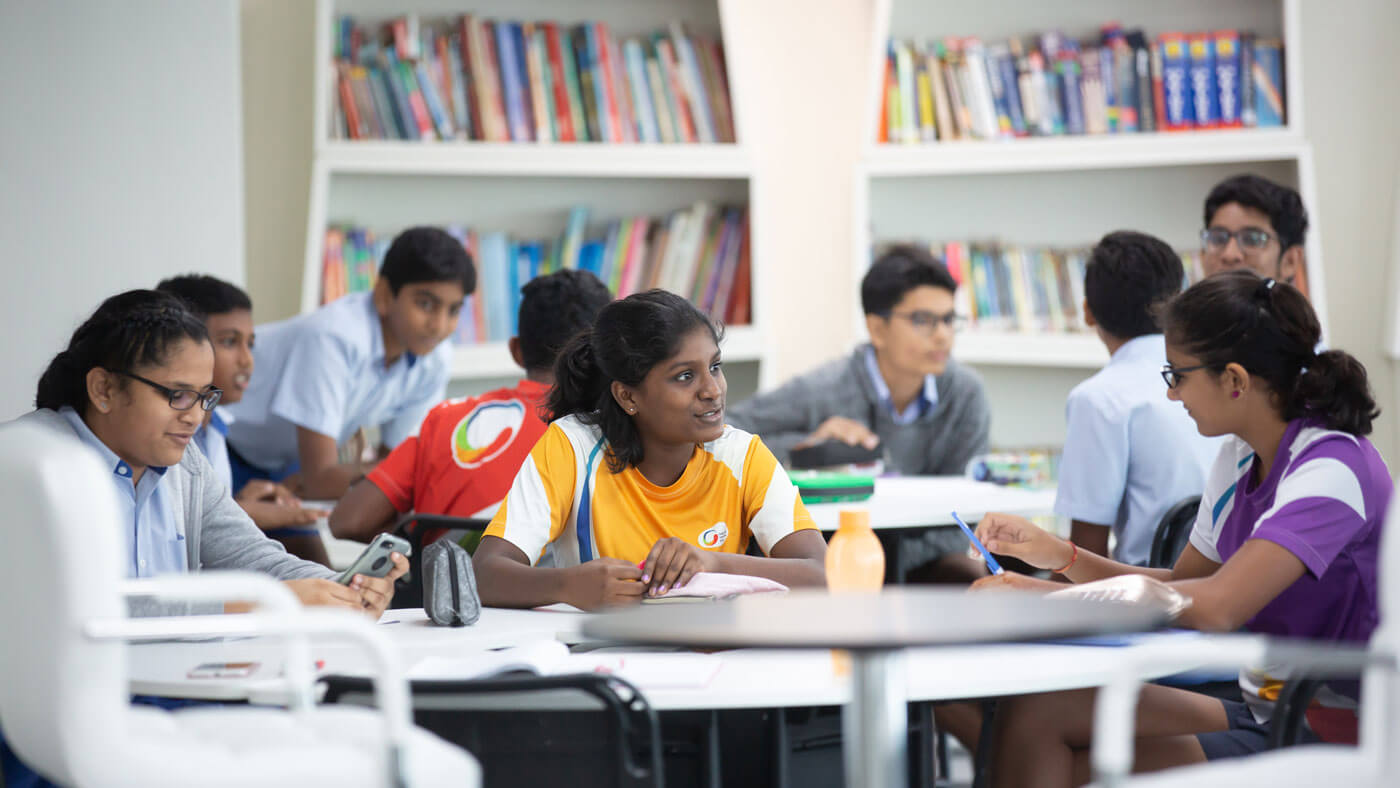
When students are given opportunities to express themselves, they become more confident. Holistic learning encourages participation through discussions, presentations, and group activities.
This leads to:
- Better communication skills
- Higher self-confidence
- Active classroom involvement
Students who participate more tend to develop stronger personalities and leadership qualities.
-
Encourages Practical Learning
Holistic education focuses on real-world application. Students learn by doing, which makes concepts easier to understand and remember.
Traditional vs Holistic Learning
| Traditional Learning | Holistic Learning |
| Theory-focused | Application-focused |
| Memorisation | Understanding |
| Limited interaction | Hands-on learning |
Studies suggest that experiential learning improves retention, as students remember what they actively engage with.
-
Develops Social Skills
Holistic learning creates regular opportunities for students to interact, collaborate, and learn in groups. This helps them understand different perspectives and work effectively with others.
Students learn how to:
- Communicate clearly
- Listen actively
- Respect different opinions
Over time, these interactions build strong interpersonal skills that are important both in school and beyond.
-
Builds Creativity
Creativity is not restricted to art. It encompasses thinking creatively, finding innovative solutions, and articulating concepts boldly.
Holistic learning stimulates creativity by providing creative space through projects, stories, and designs.
What improves:
- Imagination
- Innovation
- Independent thinking
Research shows that creative learning environments can improve student engagement and make learning more enjoyable and effective.
-
Promotes Physical Health
Physical activity is an important part of holistic education. Regular movement supports both physical and mental wellbeing.
Impact of Physical Activity on Students
| Area | Benefit |
| Physical Health | Improved strength and stamina |
| Mental Health | Reduced stress and better mood |
| Academic Focus | Higher concentration levels |
Including movement in daily learning helps students stay energetic and more attentive.
-
Strengthens Emotional Intelligence
Holistic learning helps students understand and manage their emotions better. It also teaches them how to respond to different situations calmly.
Students become more aware of:
- Their own emotions
- The feelings of others
- How to handle challenges
According to educational studies, students with higher emotional intelligence tend to perform better academically and socially.
-
Prepares Students for Future Challenges
The world is constantly changing, and students need more than academic knowledge to succeed. Holistic learning equips them with adaptable skills.
Key future-ready skills include:
- Critical thinking
- Adaptability
- Communication
- Problem-solving
These learning skills help students face real-world situations with confidence and resilience.
How Schools Implement Holistic Learning
Schools that follow holistic learning focus on simple, practical methods to support overall student development. Instead of adding more content, they improve how learning is delivered.
How it is implemented:
-
Balanced curriculum
Schools combine academics with activities such as arts, music, sports, and games to support overall growth.
-
Activity-based learning
Concepts are taught through projects, experiments, and discussions, making learning more engaging and easier to understand.
-
Focus on education values
Students are guided to develop values such as teamwork, responsibility, and respect through daily interactions and activities.
-
Personalised support
Teachers give attention to individual learning needs, helping students improve at their own pace.
-
Use of modern learning tools
Digital platforms and interactive methods are used to build essential skills of learning for the future.
Shaping Well-Rounded Learners for the Future
Holistic learning plays a key role in helping students grow into confident, capable individuals. It goes beyond academics to build essential life skills, strong values, and a balanced mindset.
By focusing on overall development, students are better prepared to handle real-world challenges, adapt to change, and succeed in different areas of life.
Today, many parents are choosing an international school that follows this approach, as it supports both academic success and personal growth. Institutions like Global Indian International School, recognised among the top rated international schools in Ahmedabad, focus on creating a balanced learning environment where academics, co-curricular activities, and value-based education go hand in hand. Their approach reflects how structured, holistic practices can support both performance and overall student development.
In the long run, this approach not only improves performance; it also helps students build a strong foundation for lifelong learning.
FAQs
- Why is holistic learning important for students?
Holistic learning is important because it supports overall development, including academic skills, emotional wellbeing, and social growth. It helps students build strong educational values and essential life skills.
- What are the key skills of learning developed through holistic education?
Holistic education helps students develop important skills of learning, such as critical thinking, communication, problem-solving, and adaptability, that are useful in real-life situations.
- How does an international school support holistic learning?
An international school supports holistic learning by offering a balanced curriculum that includes academics, activities, and value-based education. This helps students grow in multiple areas, not just studies.
- Why is the importance of education essential for student development?
The importance of education lies in helping students build knowledge, develop critical thinking, and learn essential life skills. It also shapes strong values and prepares them for future academic and career success.
- How can parents choose the right school for holistic development?
Parents can look for schools that focus on overall growth, offer co-curricular activities, and promote strong education values. Many of the top rated international schools in Ahmedabad follow a holistic approach.
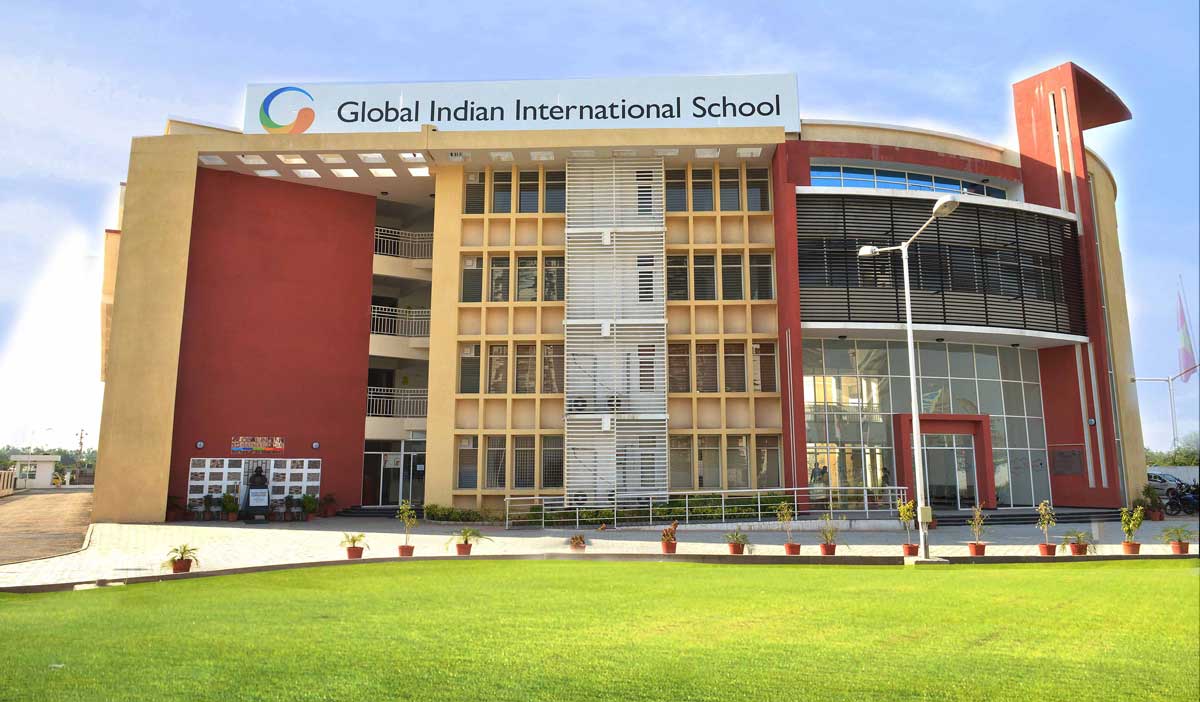 Ahmedabad Campus







![Global Montessori Programme [GMP]](https://globalindianschool.org/ahmedabad/wp-content/uploads/2023/09/l1.png)