Switching from ICSE to CBSE or switching from a State Board requires adjusting to a new structure of syllabus, new grade-level expectations, a changed language load, and different assessment patterns. Although most concepts overlap, question formats, textbooks, and chapter sequences would be unfamiliar initially. Parents and guardians can make this transition easy for their child by identifying learning gaps early, comparing curricula, and selecting an appropriate time to switch boards.
Why Do Parents Think About Transitioning to CBSE?
Parents may consider the CBSE board for their child when seeking curriculum continuity across cities, relocating, or planning for national-level entrance tests. However, this decision should be based on a child’s academic needs, future goals, and learning preferences, rather than on the assumption that one board is easier than the other.
Knowing about the differences in advance will help parents and guardians to prepare their child both for the academic transition as well as set realistic expectations.
A Quick Look at the Key Differences between ICSE and CBSE Syllabus
A notable difference between ICSE and CBSE syllabus is generally seen in textbook structure, subject coverage, assessment approaches, and language expectations.
| Academic Aspect | ICSE | CBSE |
|---|---|---|
| Curriculum | Broad subject coverage and detailed learning | Structured curriculum following a national framework |
| Mathematics and Science | Detailed subject coverage | Conceptual understanding and application |
| English | More emphasis on language and literature | Language learning as per the prescribed curriculum |
| Assessment | Internal assessments and written exams | Internal assessments and written exams, as per subject and grade |
These are general observations, as the actual teaching practices may differ from school to school. Students making an ICSE to CBSE transfer may need to adapt to different terminology, chapter sequences, and question formats, even if they have already studied the same concepts.
ICSE to CBSE Transfer: What Actually Changes
- Syllabus: On the one hand, the ICSE board offers broader subjects, while on the other; the CBSE curriculum focuses more on core subjects, particularly Science and Mathematics.
- Assessment: ICSE comprises practicals and projects, while CBSE is a mix of competency-based questions and written examination.
- Languages: ICSE lays more emphasis on second-language skills and English, whereas the requirements may vary from school to school in CBSE
- Best Class to Switch from ICSE to CBSE: It is advisable to switch in Grades 6 – 8, as it provides sufficient time to adjust before the commencement of board examinations.
State Board to CBSE Transfer: What Changes?
- Curriculum: State Boards may differ from region to region, while the CBSE board has a nationally standardised syllabus.
- Assessment: CBSE focuses on application and conceptual understanding together with written examinations.
- Language: Depending on the school and board, requirements may vary; regional languages are likely to be compulsory.
- Grade Placement: When switching from state board to CBSE, students may need Science and Mathematics support.
Documents Required to Change Board to CBSE
The list of documents required to change board to CBSE are likely to include details of the subject studied in the earlier grade, academic transcripts, previous report cards, and a Transfer Certificate. Depending on the receiving school’s requirements and the student’s intended class, additional records may also be requested.
Parents in case of transfers into Grade 9 – 12 should verify the eligibility conditions, the applicable documentation, and subject requirements with the chosen school directly.
What Should Parents Decide Before Switching?
- Reason for Switching: Consider factors such as board consistency, relocation, or entrance examination goals before making a choice.
- Child’s Profile: Evaluate your child’s ability to adjust to another curriculum and their learning style.
- Timing: Avoid mid-session changes, especially in Grades 10 and 12, and prefer the start of the academic year.
- Support Plan: For your child’s adjustment, allow about 8 – 12 weeks, with additional assistance in challenging subjects.
Ways to Prepare a Child while Switching from ICSE or State Board to CBSE
- Look through the chapter-wise list of the new class and see how much your child has already studied.
- Solve CBSE-style objective, case-based, and short-answer questions.
- Nurture reading habits in English as well as Hindi languages.
- Interact with educators regarding revisiting concepts and learning gaps that differ in sequence or depth.
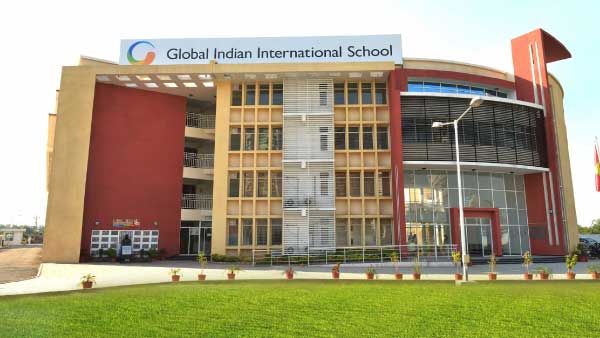
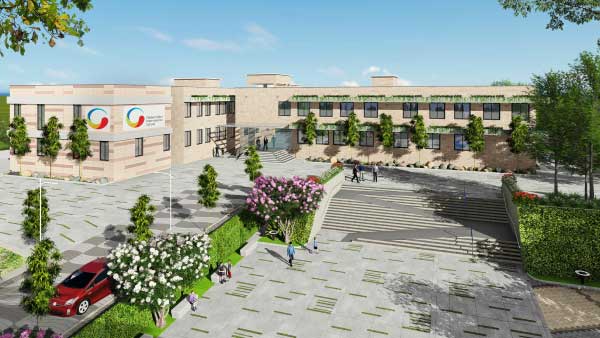
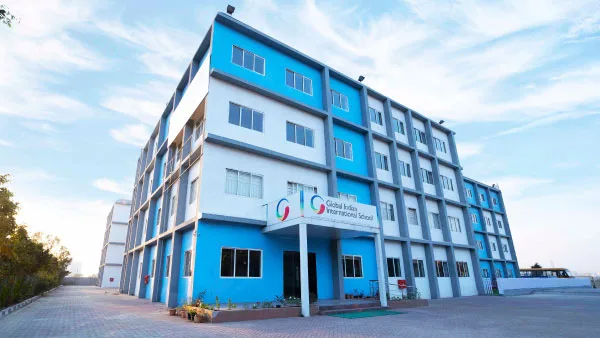
Supporting the Board Transition at Global Indian International School Noida
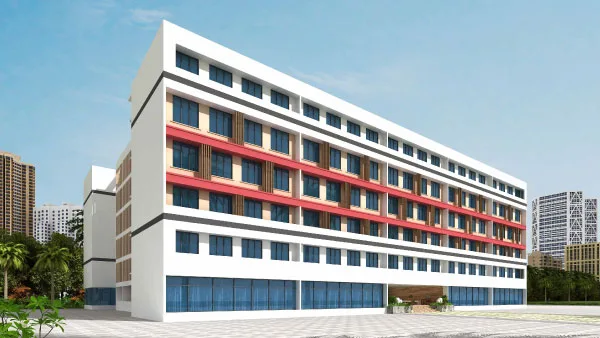
When parents move boards, they seek a school that makes this shift feel steady. GIIS Noida pairs the CBSE education with the care any switching student needs.
- Global Montessori Plus Programme: Builds a strong foundation through a mix of Montessori principles and contemporary early-learning years.
- 9GEMS Framework: Nurtures emotional, academic, social, creative, and social development to help the child develop beyond textbook knowledge.
- Child Well-being: With age-specific systems, educators learn how comfortably a student is adjusting, which is essential during the transition year.
- Parent Communication: Through the MYGIIS portal, families can stay informed with relevant information and the latest happenings in and around the school.
- Safety: GIIS’ campus protocols are designed to offer a secure setting for young learners.
- Hands-on Learning: Purpose-designed activity spaces in the school encourage participation, exploration, and creativity.
For parents considering a shift to the CBSE from ICSE or a state board, the right school can make all the difference between a confident new start and a bumpy change. Global Indian International School Noida aims to make the switch smooth, enabling students to settle in comfortably, learn the new assessment style, and continue learning with enthusiasm.
Takeaway
Switching boards becomes simpler when parents prepare for differences in grade expectations, syllabus, language, and assessment. Bridging learning gaps, reviewing records, and comparing textbooks ensures a student adjusts without stress.
To learn more, plan a campus visit or reach out to the Admissions Counsellors at GIIS, Noida today.
FAQs
1. Is switching to the CBSE curriculum from ICSE challenging?
The switch may include unfamiliar assessment formats, new textbooks, and different topic sequences. The difficulty level depends on the academic preparation and the child’s grade.
2. Is switching to the CBSE board from a State Board a wise choice?
This switch may be suitable when the CBSE curriculum aligns with the family circumstances or the child’s educational goals. Parents, before deciding, are advised to consider learning needs, language readiness, and syllabus differences.
3. What will be the recommended best class to switch from ICSE to CBSE?
There is no exact or universally ideal class. Earlier grades will give more adjustment time, while higher grades may demand careful planning around exams and syllabus coverage.
4. Does a child need to learn topics again after switching boards?
A few topics are likely to overlap, while some may vary in sequence or depth. Comparing the curricula will help parents identify concepts that require additional practice or revision.
5. How can parents prepare their child before making this switch?
They may do so by reviewing the chapter list of the new class, nurture reading habits in English as well as Hindi languages, and practise CBSE-style objective, case-based, and short-answer questions.
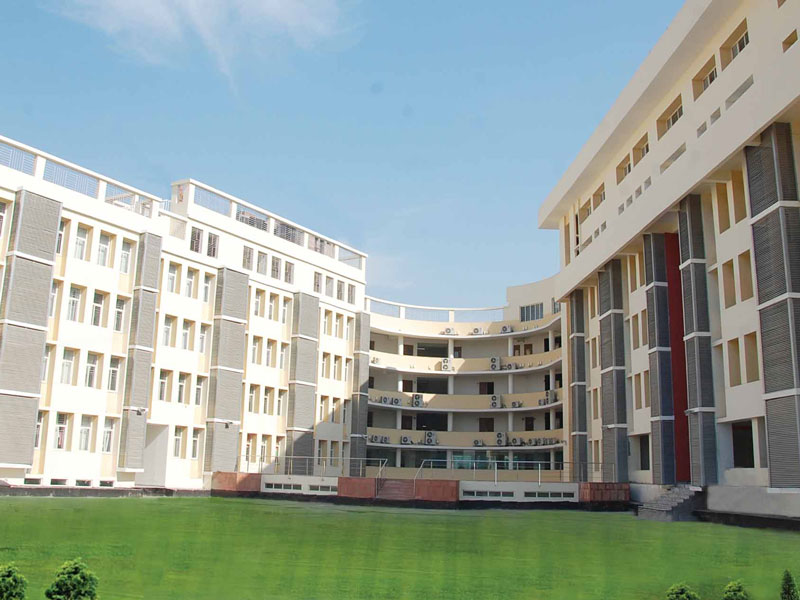 Noida Campus