CBSE Class 6 All Subjects Syllabus – A Parent’s Complete Guide
When your child steps into Class 6, the learning journey changes gears. Lessons become more detailed, thinking becomes more analytical, and schoolwork starts preparing them for higher grades. This is a crucial stage where curiosity, reasoning, and application skills take centre stage.
If you have been curious about the 6th class syllabus CBSE, this guide will walk you through every subject so you can help your child stay ahead.
Mathematics
The Class 6 math syllabus builds on what students learned in primary school, while introducing entirely new concepts. It has 13 chapters, covering:
| Chapter | Key Focus |
| Knowing Our Numbers | Large numbers, comparisons, Roman numerals |
| Whole Numbers | Number line, patterns, properties |
| Playing with Numbers | Factors, multiples, divisibility |
| Basic Geometric Ideas | Shapes, angles, polygons |
| Understanding Elementary Shapes | Measuring, classifying shapes |
| Integers | Positive and negative numbers |
| Fractions & Decimals | Operations, comparisons |
| Data Handling | Graphs, pictographs |
| Mensuration | Perimeter, area |
| Algebra | Variables, expressions |
| Ratio & Proportion | Practical applications |
| Symmetry | Patterns in nature and design |
Encouraging practice through puzzles and visual aids helps make math fun at this stage.
Science
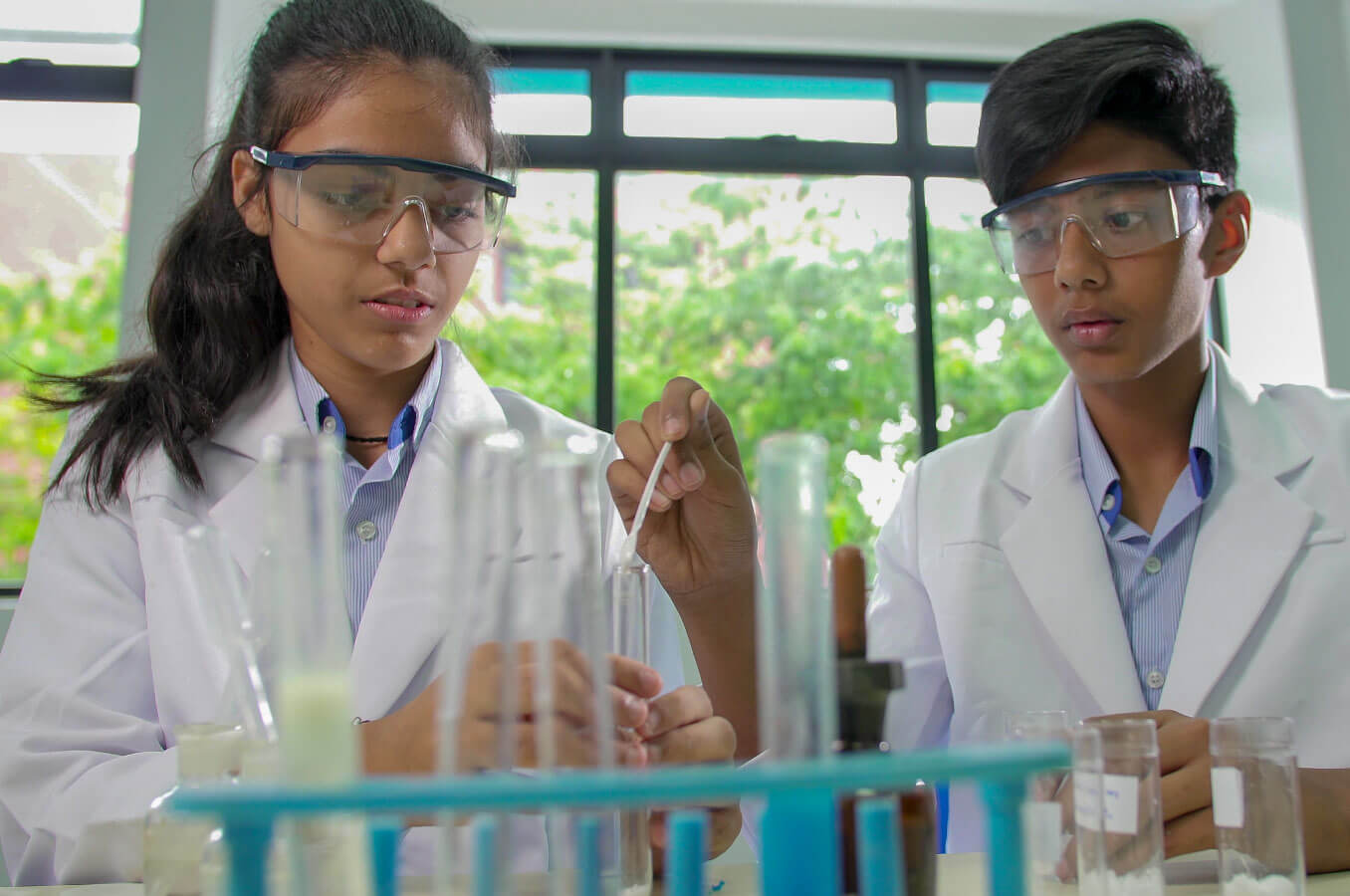
The science syllabus opens doors to hands-on exploration. It blends observation, experiments, and explanations to build foundational knowledge.
| Chapter | Key Focus |
| Food and Nutrition | Sources, balanced diet |
| Sorting Materials | Properties, uses |
| Separation of Substances | Filtration, evaporation |
| Plants and Animals | Structure, movement |
| Habitats | Adaptations, surroundings |
| Motion and Measurement | Standard units, tools |
| Light and Shadows | Transparent materials, mirrors |
| Electricity and Circuits | Switches, conductors |
| Magnets | Poles, compass use |
| Air and Water | Composition, importance |
At this stage, small home experiments, like testing solubility or making a basic circuit, can make a big impact.
Social Science
This subject combines History, Geography, and Civics to help children understand the past, present, and environment.
- History: Ancient civilisations, early kingdoms, trade routes, and important cultural changes. Topics like the Mauryan Empire and Ashoka’s rule help children connect historical events with values like leadership and peace.
- Geography: The solar system, latitudes and longitudes, motions of the Earth, landforms, climate, and vegetation. Map work improves spatial understanding.
- Civics: Basics of government, rural and urban administration, and livelihoods. These lessons encourage civic awareness and social responsibility.
Parents can make lessons more engaging by visiting museums, using interactive maps, or discussing news articles related to governance.
English
English in Class 6 develops communication, comprehension, and writing skills.
- Prose and Poetry: Themes of bravery, nature, culture, and friendship. Stories like “Taro’s Reward” and poems such as “Beauty” inspire creativity and critical thinking.
- Grammar: Nouns, tenses, adjectives, voice, prepositions, conjunctions, and reported speech.
- Writing Skills: Letters, diary entries, reports, debates, and articles.
Reading together, discussing characters, and encouraging your child to keep a short daily journal can improve both vocabulary and expression.
Hindi
The 6 class subject list also includes Hindi, which strengthens cultural connection and language skills.
- Literature: Poems, short stories, and essays that reflect India’s heritage and values.
- Grammar: Topics like संज्ञा, विशेषण, क्रिया, and वाक्य संरचना.
- Writing: Essays, formal and informal letters, and creative compositions.
Encourage your child to read children’s magazines in Hindi or watch educational shows to improve fluency.
GIIS Pune- Going Beyond the Basics
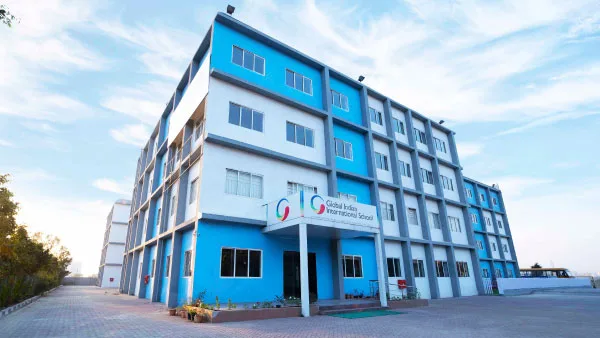
If you’re exploring schools that aim higher than completing the 6-class CBSE syllabus, GIIS Pune is a strong choice. Our approach blends the CBSE curriculum with interactive learning, projects, and technology-based lessons.
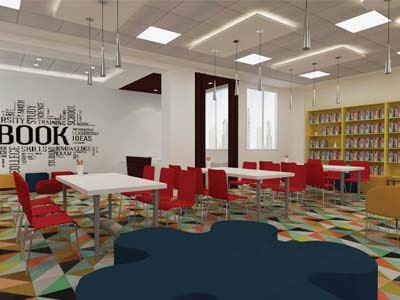
Parents often highlight how we focus on personal attention, timely feedback, and real-life application of concepts. Co-curricular opportunities in sports, arts, and leadership programmes ensure balanced growth. Classrooms use smart boards, digital content, and group discussions to keep students engaged.
Why You Should Know the Syllabus
When you understand the 6 standard syllabus, you can:
- Monitor your child’s daily progress
- Plan revision schedules effectively
- Offer targeted help before tests
- Link school lessons to real-life examples
This awareness builds your confidence as a parent and strengthens your child’s academic support system.
Tips for Parents
- Download the official CBSE syllabus for reference.
- Create a monthly study tracker with your child.
- Include time for play and hobbies to maintain balance.
- Explore interactive learning apps for a fresh approach.
At GIIS, one of the top-ranking schools in Pune, our approach blends academic rigour with holistic growth. With modern classrooms, experienced teachers, and a strong focus on inquiry-based learning, we prepare students for success both inside and outside the classroom.
Conclusion
Class 6 is a year of discovery, application, and growth. With the 6th class syllabus, you can guide your child to approach every subject with confidence. From understanding fractions to exploring ancient history, each lesson builds the skills they will carry into higher grades.
Stay involved, encourage curiosity, and celebrate every milestone. Together, you can make this academic year a foundation for lifelong learning.