Schools today are embracing technology-driven methods to make learning more effective, engaging, and personalized. One such approach is adaptive learning, a model that customizes lessons and assessments according to each student’s pace, strengths, and challenges. At institutions like GIIS Pune, this approach is integrated into modern teaching practices, making learning more relevant and impactful for every child.
What is Adaptive Learning?
At its core, what is adaptive learning? It is a method of instruction where digital tools, data, and intelligent systems dynamically adjust learning materials in real-time according to a student’s progress. Instead of all learners progressing through the same textbook or lesson at the same pace, adaptive learning ensures that a child who needs more time on a subject receives additional resources. At the same time, those who grasp it quickly are encouraged to take on advanced challenges.
This personalization is closely connected to Howard Gardner’s theory of multiple intelligences, which emphasizes that every learner has unique strengths, whether linguistic, logical, musical, or kinesthetic. Adaptive learning respects these differences by offering tailor-made pathways.
How Does Adaptive Learning Work?
To understand how adaptive learning works, it helps to imagine a classroom powered by intelligent systems. Each time a student interacts with a digital platform, by answering questions, completing tasks, or even making mistakes, the system collects performance data. This data is then analyzed to determine the learner’s proficiency level.
The platform automatically adjusts:
- Slowing down for reinforcement when needed.
- Offering hints and feedback in real time.
- Suggesting advanced material for quick learners.
- Creating a unique journey for each child.
This aligns with John Sweller’s Cognitive Load Theory, which posits that learning is most effective when unnecessary mental effort is minimized. Adaptive learning systems ensure cognitive efficiency by simplifying material for beginners while offering complexity to advanced learners.
Benefits of Adaptive Learning
The benefits of adaptive learning extend far beyond academics. Some key advantages include:
- Personalization – Every child learns differently. Adaptive tools ensure that students receive content tailored to their learning style and pace. This aligns with Gardner’s personalization principle, ensuring no student feels left behind.
- Improved Engagement – Interactive tasks, instant feedback, and relevant challenges keep students motivated.
- Cognitive Efficiency – By aligning with Sweller’s principle of reducing unnecessary load, adaptive systems help students focus on core concepts without feeling overwhelmed.
- Real-Time Progress Tracking – Teachers and parents can see where a child excels or struggles, allowing for timely intervention.
- Confidence Building – With lessons tailored to each student’s ability, they gradually gain confidence in their skills.
CBSE schools near Wagholi Pune, are increasingly adopting adaptive platforms to enhance learning outcomes.
Types of Adaptive Learning
Different types of adaptive learning are implemented in classrooms to suit various educational goals. Common formats include:
- Content-Based Adaptation – Lessons adapt based on a student’s performance on quizzes or tasks.
- Adaptive Assessment – Test questions adjust in difficulty depending on previous answers, creating a more accurate performance measure.
- Simulation-Based Learning – Students engage with real-world scenarios that change dynamically.
- Personalized Pathways – Based on student goals, adaptive systems create unique learning plans, from remedial support to advanced enrichment.
At schools in Hinjewadi, these types of adaptive learning are blended with traditional teaching to create holistic, future-ready education.
Adaptive Learning at GIIS Pune
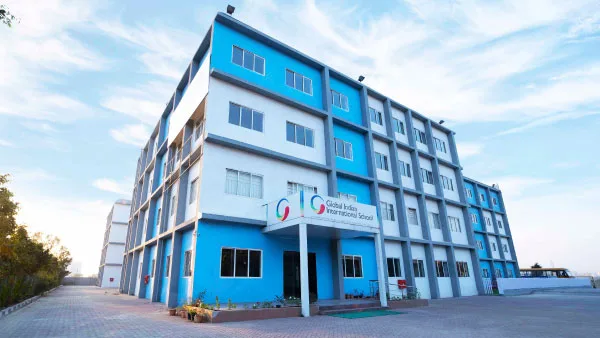
GIIS Pune integrates adaptive learning into its teaching methodology to make lessons more effective for diverse learners. Teachers utilize digital tools, smartboards, and AI-driven platforms to personalize instruction. This ensures that students not only meet academic benchmarks but also develop independent thinking and problem-solving abilities.
The school’s approach bridges the gap between modern technology and human-centric teaching, helping students adapt to real-world challenges while excelling in academics. By combining teacher expertise with adaptive technologies, GIIS Pune provides students with a balanced and future-focused education.
Adaptive learning represents the future of education by recognizing that every child is unique. From Gardner’s emphasis on personalization to Sweller’s focus on cognitive efficiency, the approach is rooted in strong educational theory. Whether through personalized pathways, adaptive assessments, or simulation-based tasks, this model ensures that students remain engaged, confident, and prepared for the future.
As CBSE schools in Pune continue to innovate, adaptive learning will play a central role in shaping smarter, more resilient learners. By focusing on individual growth, institutions such as GIIS Pune are setting a benchmark in modern education.