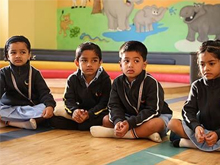
A happiness index in schools is a way to understand how students feel about their school experience. It looks at factors such as emotional well-being, relationships, safety, engagement, learning experiences, and overall satisfaction. Schools can use this information to identify areas that support a more positive and healthy learning environment.
What Does a School Happiness Index Consider?
A child’s experience at school involves more than lessons and grades. Their relationships, sense of safety and opportunities to participate also shape how they feel about coming to school.
A school happiness index brings some of these experiences into focus. Depending on the school’s approach, it may consider:
- Emotional well-being: Does the student feel supported and know whom to approach with a concern?
- Belonging: Does the student feel accepted and included?
- Relationships: Does the student feel respected by teachers and classmates?
- Safety: Does the student feel physically and emotionally safe?
- Learning: Does the student find lessons engaging and meaningful?
- Participation: Does the student have opportunities to share ideas and explore interests?
There is no universal score or set of questions that every school uses. UNESCO’s Global Happy Schools Framework, for example, looks at the conditions that support well-being and learning across four pillars: People, Process, Place and Principles. It does not prescribe a score for an individual child’s happiness.
Why Does Student Happiness Matter in Schools?
When children feel safe, respected and connected to others, they may find it easier to take part in lessons, ask questions and build friendships. Their well-being is therefore an important part of the learning experience.
This does not mean children must enjoy every moment of school. Difficult tasks, disagreements and setbacks are normal. What matters is whether they have trusted adults, supportive relationships and the confidence to seek help when they need it.
What Factors Are Included in a School Happiness Index?
There is no single universal formula for measuring happiness in schools. Each International school in pune may use different questions and indicators depending on its objectives.
Some common factors include:
- Emotional Well-Being
Students may be asked whether they feel comfortable sharing concerns, managing emotions, and seeking help when needed.
- Teacher-Student Relationships
Supportive relationships with teachers can help students feel heard and respected. Feedback about communication and classroom support can therefore be an important part of a happiness assessment.
- Peer Relationships
Friendships and positive peer interactions can influence a child’s sense of belonging. Schools may look at whether students feel included and respected by their classmates.
- School Safety
Physical safety and emotional security are important parts of a healthy school environment. Students should know where to seek help when they face difficulties.
- Learning and Engagement
A student’s experience with learning can also affect their overall school experience. Interesting activities, discussions, projects, sports, arts, and other opportunities can encourage active participation.
- School Environment
The physical and social environment can influence how students experience their school day. Clean spaces, activity areas, classrooms, and opportunities for interaction may all contribute to the broader school experience.
How Can Schools Understand Student Happiness?
Schools can use more than one source of feedback to understand students’ experiences:
- Student surveys give children an age-appropriate way to describe school life.
- Conversations and discussions help explain what sits behind a survey response.
- Teacher observations may reveal changes in participation or social interaction.
- Parent feedback can add context about how a child talks about school at home.
- Patterns over time can show whether an issue affects one group or needs wider attention.
At GIIS, the published Happiness Index approach includes questionnaires for students and families, student feedback, attendance trends and participation in extracurricular activities. These indicators should be considered together; no single measure can explain how every child feels. globalindianschool.org
Feedback is most useful when children can share it honestly and schools act on what they learn. For wider context, NCERT’s Mental Health and Well-being of School Students: A Survey explores students’ perceptions, emotions and coping strategies. ncert.nic.in
This replacement removes the repeated “Schools in Charoli…” paragraph and corrects the incomplete NCERT report title.
How Parents Can Support Happiness at School
Parents also have an important role in supporting a child’s emotional well-being. Conversations at home can help children express their thoughts about school.
Parents can:
- Ask open-ended questions about the school day.
- Listen without immediately judging or correcting.
- Encourage children to talk about both positive and difficult experiences.
- Help them develop healthy ways to manage stress.
- Encourage friendships and positive social interactions.
- Stay in communication with teachers when concerns arise.
- Celebrate effort and progress instead of focusing only on marks.
Simple questions such as “What did you enjoy today?” or “Was there anything that felt difficult?” can encourage children to share more about their experiences.
How Happy Schools Create Positive Learning Experiences
Happy schools do not mean schools where every student is expected to feel cheerful throughout the day. Instead, they focus on creating an environment where children feel respected, included, safe, and encouraged to learn.
Schools can support this by combining academics with activities that promote social and emotional development.
For example, a learning hub can provide opportunities for students to collaborate, explore ideas, work on projects, and develop skills beyond textbook learning. Sports, performing arts, clubs, creative activities, and community initiatives can also give students different ways to participate and express themselves.
A balanced approach allows children to discover their interests while developing communication, teamwork, problem-solving, and other important life skills.
How International Schools in Pune Support Student Well-Being
Schools with an international outlook may bring together students from different backgrounds, cultures, and learning experiences. This can create opportunities for children to understand different perspectives and develop social awareness.
For international schools in Pune, supporting student well-being can involve creating inclusive classrooms, encouraging student participation, providing co-curricular opportunities, and maintaining communication between teachers and families.
A well-rounded school experience can help children develop academically as well as socially and emotionally. When students feel that their opinions and experiences matter, they may be more willing to participate and engage with their learning.
Building a School Culture Where Students Feel Valued
A happiness index can provide useful information, but measuring happiness alone is not enough. The real value comes from understanding feedback and using it to improve school experience.
Schools can use student feedback to identify areas such as:
- Classroom engagement
- Peer relationships
- Emotional support
- Student participation
- School safety
- Co-curricular opportunities
- Communication with teachers and parents
Regularly reviewing these areas can help schools create a culture where student well-being is treated as an important part of education.
Creating a More Positive School Experience
A school happiness index can help adults listen more closely to children’s experiences. Its value lies in what happens next: noticing patterns, responding to concerns and checking whether changes have helped. When schools and families keep that conversation open, children have a stronger chance of feeling safe, included and ready to learn.
Frequently Asked Questions
What is a happiness index in schools?
It is a way for a school to understand students’ experiences through feedback and other indicators. It may cover belonging, relationships, safety, emotional well-being and engagement in learning.
Is there one standard school happiness index?
No. Schools may use different questions and methods. UNESCO offers a framework for creating happier learning environments, but it does not prescribe a universal score for individual students. www.unesco.org
How do schools measure student happiness?
Schools may use age-appropriate surveys, student conversations, parent feedback and teacher observations. Looking at responses over time can help them identify patterns and decide where support is needed.
Is a happiness index a mental health assessment?
No. Feedback about school life can help adults notice concerns, but an index does not diagnose a mental health condition or replace individual support from a qualified professional.
Can a child be happy at school and still find some days difficult?
Yes. A positive school experience does not mean every day is easy. Children can face challenges and still feel that they belong, have someone to talk to and receive support when they need it.
How can parents support their child’s happiness at school?
Ask open-ended questions, listen without rushing to solve every problem and stay in touch with teachers if a concern continues. Questions such as “When did you feel most comfortable today?” can invite a more useful conversation than “Was school good?”
What should schools do with happiness index feedback?
They should look for recurring concerns, discuss possible changes with students and staff, take action and review whether the student experience improves.