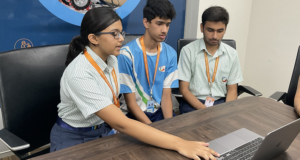
Have you ever walked out of a school hall after a parent teacher meeting and felt you forgot to ask the most important question? Many parents in India share that moment of regret. You only get ten or fifteen minutes with a teacher. That short time can decide how your child grows this year. The way to avoid stress is to prepare. A little work before the talk makes the whole conference with parents flow smoothly and more useful. Let’s break it down.
Why Parent-Teacher Conferences Are Important
These meetings are not a formality. They are checkpoints. Teachers share things you cannot always see at home. Marks and grades are not the whole story. A child may be quiet in class but lively at home. A student may need extra help in maths or English.
The parent teacher conferences are also a time to build trust. Teachers open up when parents listen. It shows you respect their work. Students do better when parents and teachers stand on the same side. If you prepare, the talk will not feel rushed. It will feel like teamwork.
How to Prepare Before the Conference
Preparation means more than reading marks. It is about seeing the full picture of your child. Parents who take a little time before the meeting make better use of those few minutes with the teacher. When you know what to ask and what to share, the talk is clear and focused.
Review Your Child’s Progress
Do not walk in blind. Open the school diary. Check the homework notes. Look at the report card. Think about your child’s daily routine. Are they spending hours on one subject? Are they losing interest in reading? Note these points. Teachers appreciate parents who come ready. It saves time for both.
Make a List of Questions
You may forget in the rush. Write them before the day. Example:
- Is my child meeting grade level in reading and maths?
- Do you see any struggle with focus?
- How is their behaviour with classmates?
- What can I do at home to help?
Even simple questions matter. Teachers expect parents to ask. That is the purpose of a parent teacher meeting what to ask.
Talk to Your Child First
Children know more than we think. Ask them what they enjoy at school. Ask if something worries them. Maybe a subject feels too hard. Maybe they face issues in group work. These details guide your talk. When the teacher hears you already know your child’s feelings, it builds trust. It also tells the child you care about their side. That makes them more confident.
Understand the School’s Focus
Schools often set a theme for the term. It could be reading skills, teamwork, or exam prep. If you know this focus, you can connect your questions better. Teachers see you as aligned with their plan. That makes the meeting smoother.
Carry the Right Material
Do not rely only on memory. Carry a pen, notebook, and last report card. Some parents use a notes app, but writing keeps you more present. Small details slip away fast in a busy classroom. When you write, you remember and follow up later.
Share Relevant Information
Teachers may not know what happens at home. A child may be staying up late, moving house, or facing health issues. Share what matters. It helps the teacher see behaviour or marks in context. They can suggest steps that fit your child better.
Be Clear About Your Role
Parents often ask what the school will do. Also, ask what you should do at home. Be realistic about time and resources. A daily reading slot or a maths game may be enough. When you show willingness, teachers respond with better guidance.
Quick Reference Table: Preparation Checklist
| Step | What You Should Do | Why It Helps |
| Review progress | Check notes, homework, tests | Saves time, shows readiness |
| Make questions | Write 4–5 key queries | Avoids forgetting under stress |
| Talk to child | Ask feelings about school | Builds trust and insight |
| Carry notes | Take a diary, a pen, and past reports | Keeps meeting sharp and clear |
| Share info | Tell the teacher the home context | The teacher adapts better advice |
Location Connection
Parents searching for best cbse schools in pune or comparing cbse schools in wakad often focus only on rankings. But the real growth of a child is shaped inside these small talks. The right preparation before each conference builds a bridge between home and school, no matter which area you choose.
Conclusion
Preparing for how to prepare for parent teacher conferences is simple but powerful. Check progress, list questions, and listen with patience. A good how to prepare for parent teacher meeting sets the stage for better support at home and in school. Make every conference count. Visit Global Indian International School Pune to see how the right school guides parents through this journey.