Why Sleep Matters During Exam Preparation
Quick Answer Sleep supports students’ memory, attention and overall wellbeing. Studying late can reduce the time available for rest, which may make it harder to stay focused and use what they have revised the next day. A balanced exam plan includes regular revision, short breaks and enough sleep for the student’s age. Is More Study […]
How to Help Your Child Learn the Multiplication Tables Easily
Quick Answer Children can learn multiplication tables more easily when they understand multiplication as repeated addition, practise a few facts at a time, and use patterns, games, songs, and everyday examples. Parents can make learning enjoyable by keeping practice sessions short and regular instead of asking children to memorise all the tables at once. The […]
Precision Teaching and how can it be used in the classroom
Quick Answer Precision teaching is a teaching approach that helps educators track a student’s learning progress through regular practice, frequent measurement, and clear performance goals. Teachers observe how accurately and fluently a student performs a skill, record the results, and use the data to decide what to teach next. It can be used to strengthen […]
Why Mistakes Are an Important Part of the Learning Process
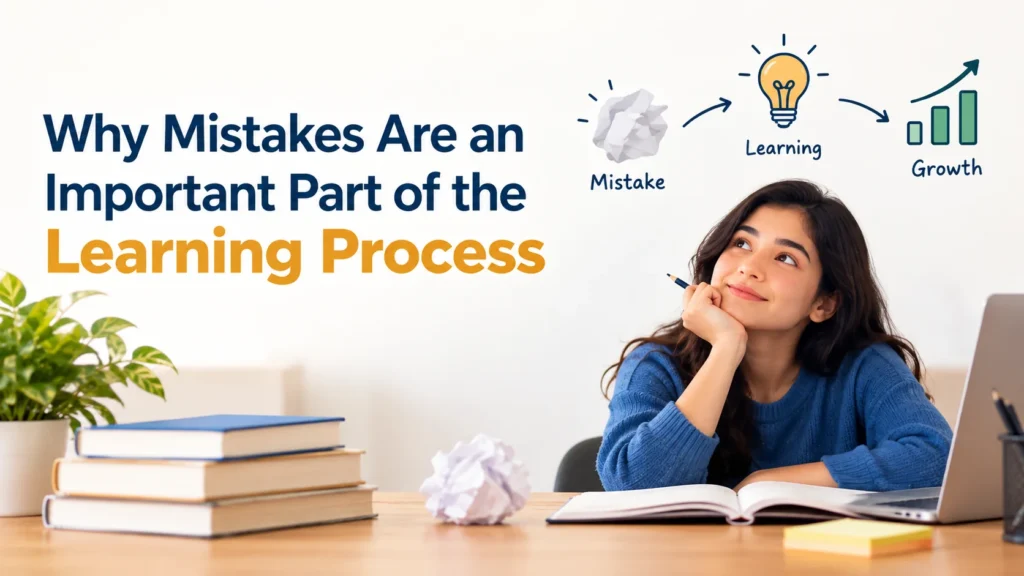
Quick Answer: Mistakes are an important part of learning because they help children understand what went wrong, try new approaches, and improve their skills. When children receive helpful feedback and feel safe asking questions, they can use mistakes to build confidence, develop problem-solving skills, and become more independent learners. Introduction Learning is not always a […]
How to Build Effective Study Habits for CBSE Board Exams
Effective study habits for CBSE board exams start with a realistic weekly plan. Set a small goal for each session, revise older topics regularly, practice questions, review your mistakes, and protect time for sleep and breaks. You don’t need to study every waking hour. A routine you can follow consistently will help you see your […]
Switching from CBSE to IB: Benefits, Challenges and What to Consider
Switching from CBSE to an International Baccalaureate (IB) programme changes more than a student’s textbooks. Depending on their age and the programme they enter, they may encounter more inquiry, discussion, research and varied assessments. The transition can build useful skills, but it may also take time to adjust to new expectations. Before deciding, families should […]
How GIIS Supports Student Well-Being?
A happiness index in schools is a way to understand how students feel about their school experience. It looks at factors such as emotional well-being, relationships, safety, engagement, learning experiences, and overall satisfaction. Schools can use this information to identify areas that support a more positive and healthy learning environment. What Does a School Happiness […]
What Is the 9GEMS Framework at GIIS?
9GEMS is GIIS’s framework for supporting student development across nine areas, from academics and sports to the arts, leadership, values and community care. It connects classroom learning with other experiences, so children have opportunities to discover their interests, practice new skills, and grow in different ways. A Parent’s Guide to Holistic Education A simple guide […]
What Is Gifted Education?

Gifted education is a specialised approach to teaching students who show advanced abilities, strong potential or exceptional interest in one or more areas. It provides suitable challenges, enrichment activities, and learning opportunities that go beyond the standard curriculum. The goal is to help gifted learners develop their strengths while also supporting their social, emotional and overall development. Introduction Every child learns differently. Some children […]
How to Motivate a Demotivated Teenager: A Parent’s Guide to Building Confidence
A teenager who once enjoyed learning may suddenly stop caring about school, avoid homework, or spend hours on their phone. For parents, this change can feel confusing and frustrating. But a lack of motivation is not always laziness. Stress, low confidence, fear of failure, boredom, academic pressure, or a growing need for independence can all […]