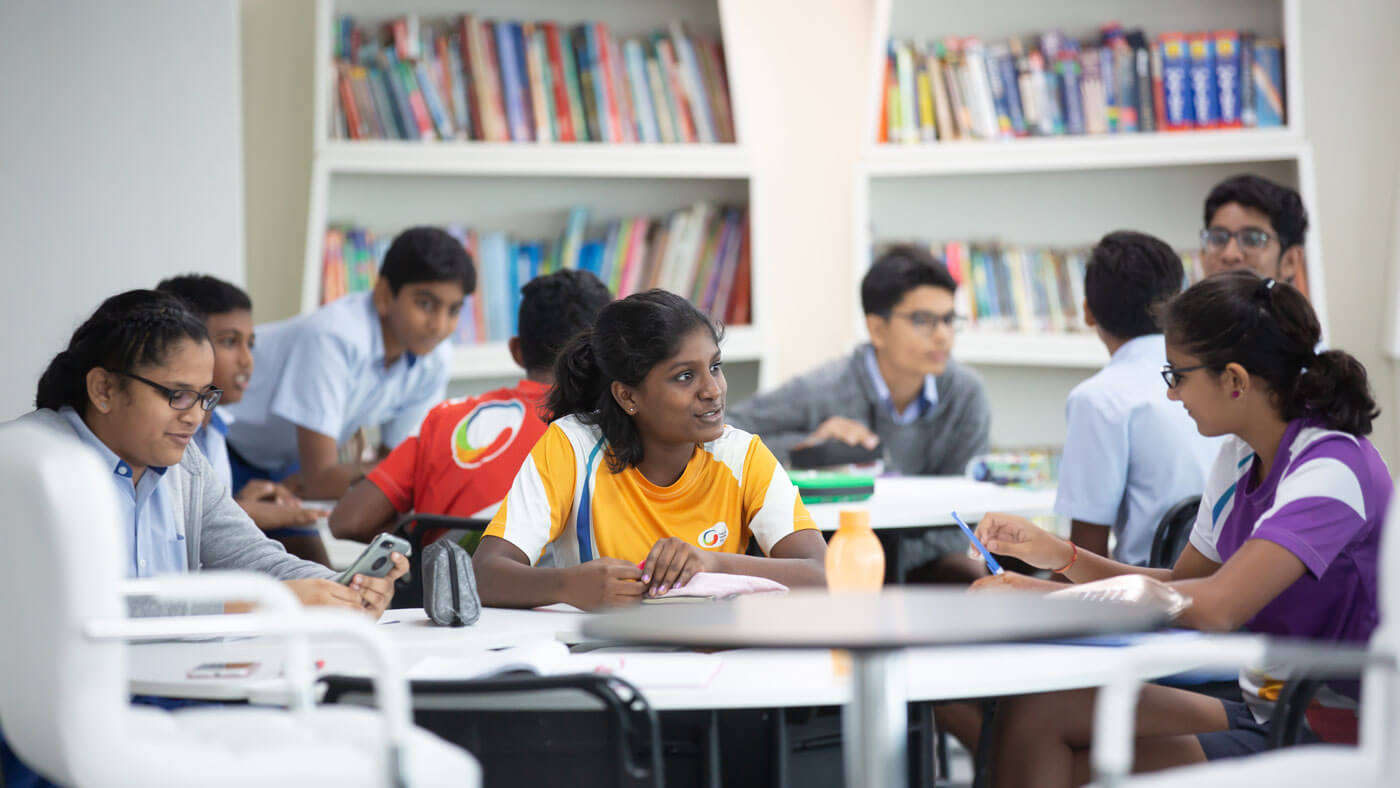
If your child is entering Class 7, having a clear understanding of the CBSE Class 7 syllabus can make the academic year much smoother and more organized. At GIIS Pune, students follow the CBSE framework, which emphasizes a balanced approach to academics, co-curricular activities, and overall development. Knowing the syllabus in advance helps both parents and students plan effectively, set achievable goals, and approach learning with confidence.
Why Understanding the 7th Class CBSE Syllabus Matters?
Being familiar with the 7th class CBSE syllabus gives students a roadmap for the year. They can anticipate the topics they will cover, understand the skills they are expected to develop, and identify areas where they might need extra practice. Parents can also provide guidance and support, helping children manage time, revise concepts, and complete assignments effectively.
The CBSE curriculum is designed not only to cover academic content but also to develop critical thinking, problem-solving, and practical skills. Understanding it can help students stay motivated and engaged, making learning more enjoyable.
Overview of the 7th CBSE Syllabus
The 7th CBSE syllabus is structured to provide a strong foundation across core subjects, including English, Hindi, Mathematics, Science, and Social Science. Many schools also include a third language, computer studies, creative arts, and physical education. This well-rounded approach ensures that students grow academically while exploring their interests and talents.
Here’s a closer look at each subject area:
1. English and Languages
English in Class 7 focuses on reading comprehension, creative and formal writing, grammar, and literature. Students explore a range of literary works, including short stories, poems, essays, and plays, that enhance their analytical thinking and communication skills.
Other language subjects, such as Hindi or regional languages, emphasize reading, writing, comprehension, and verbal expression. The aim is to build strong foundational language skills that are essential for future academic success.
2. Mathematics
The 7 CBSE syllabus in Mathematics is comprehensive and practical. Topics include integers, fractions, decimals, algebra, geometry, ratios and proportions, percentages, and data handling. Real-life applications of math are introduced through problem-solving exercises, helping students understand concepts more clearly.
For example, a student might calculate discounts during shopping, measure areas for school projects, or analyze statistical data in science experiments. These activities make mathematics relatable and encourage logical thinking.
3. Science
Science in Class 7 integrates Physics, Chemistry, and Biology, encouraging curiosity and hands-on learning. Topics typically include motion, force, heat, light, food and nutrition, plant and animal biology, the environment, and natural resources.
Practical experiments play a crucial role in the 7th-grade CBSE syllabus, enabling students to observe, question, and understand scientific principles. For instance, students may conduct experiments on plant growth, test the properties of light, or explore basic chemical reactions safely in the classroom.
4. Social Science
Social Science encompasses History, Geography, and Civics. Students learn about ancient civilizations, world history, maps, natural resources, government, and society. The goal is to create awareness about the past, understand social and political systems, and develop a sense of responsibility towards the environment and society.
Activities such as map exercises, discussions on current events, and project work make Social Science interactive and engaging. This helps students connect classroom knowledge with the real world.
5. Additional Subjects
Many schools include Computer Science, Art, Music, and Physical Education to ensure holistic development. Computer studies cover basic programming, internet safety, and digital literacy. Art and music stimulate creativity, while physical education promotes health and fitness. These subjects complement academics, fostering well-rounded growth.
Planning the Academic Year
Being familiar with the 7th CBSE syllabus allows students to organize their study schedules efficiently. Parents can support by setting aside time for homework, revision, and practical exercises. Breaking down topics into monthly goals helps students avoid last-minute stress and stay consistent in their learning.
For example, a student might allocate certain days for mathematics problem-solving, other days for reading and language practice, and regular intervals for science experiments. Regular, brief study sessions can enhance retention and alleviate stress during exams.
Benefits of Knowing the Syllabus
Understanding the 7th std CBSE syllabus provides several advantages:
- Students know what to study and when
- Progress can be tracked throughout the year
- Reduces anxiety by creating a clear roadmap for learning
- Encourages self-paced study and independent learning
Schools like GIIS Pune structure lessons to effectively cover the 7th CBSE syllabus, while also providing opportunities for students to engage in co-curricular and creative activities. Choosing from the best international schools ensures students benefit from global learning standards alongside the CBSE framework.
The 7th class CBSE syllabus is designed to provide a strong academic foundation while developing essential life skills. Understanding it beforehand helps students plan, stay organized, and approach learning with confidence. Parents can support this process by familiarizing themselves with the syllabus, setting goals, and encouraging consistent study habits.
With careful planning, practice, and active engagement, students can make the most of the 7th CBSE syllabus and enjoy a rewarding and enriching school year. Schools like GIIS Ahmedabad combine structured academic learning with opportunities for creativity and exploration, helping students successfully navigate Class 7.