Have you ever felt sleepy while listening to a teacher talk for a long time? Do you forget things quickly after reading your textbook? If yes, then you might need a better way to learn. That’s where active learning helps.
What is Active Learning?
Now, let’s start simple: What is active learning? It is a way of learning where you don’t just sit and listen. Instead, you think, ask, write, talk, and do. In short, you become part of the lesson.
In active learning for students, the focus shifts from the teacher to the student. The teacher becomes more like a guide. This makes the class exciting and helps students remember topics better.
Why Students Need It More Today
Today, life is fast. Exams are tough. Memory doesn’t last long with only reading. So, active learning is not just useful. It is needed. You take part in learning. You connect old lessons with new ones. And that makes things stick in your head for a long time.
Also, with so many distractions like phones and social media, staying focused has become difficult. But when students move around, speak, or work in groups, they don’t feel bored.
Top Benefits of Active Learning
Let’s look at the main reasons why it works better than traditional methods.
| Benefits | Why It Matters |
| Better Memory | When you do something, you remember it better. |
| Builds Confidence | You talk, present and share ideas. |
| Improves Team Skills | Group work teaches you how to work with others. |
| Critical Thinking | Solving problems trains your brain to think faster. |
| Keeps You Engaged | You don’t just listen, you participate. |
You can see, active learning for students works well in many ways. It makes learning fun and not just a duty.
Common Techniques You Can Use
There are many methods teachers and students use to apply active learning in real classrooms. Some easy ones are:
- Think-Pair-Share: Think about a question, talk with a classmate, then share in class.
- Role Play: Act like a character from history or a science topic.
- Case Studies: Read real-world problems and suggest solutions.
- Debates: Argue on topics in small groups to build reasoning.
- One-Minute Paper: Write your thoughts on a topic in one minute.
These methods push you to listen, speak, think, and do. That’s the full power of learning with your mind and body.
Real Classroom Examples
In many schools in India, students use such methods. For example:
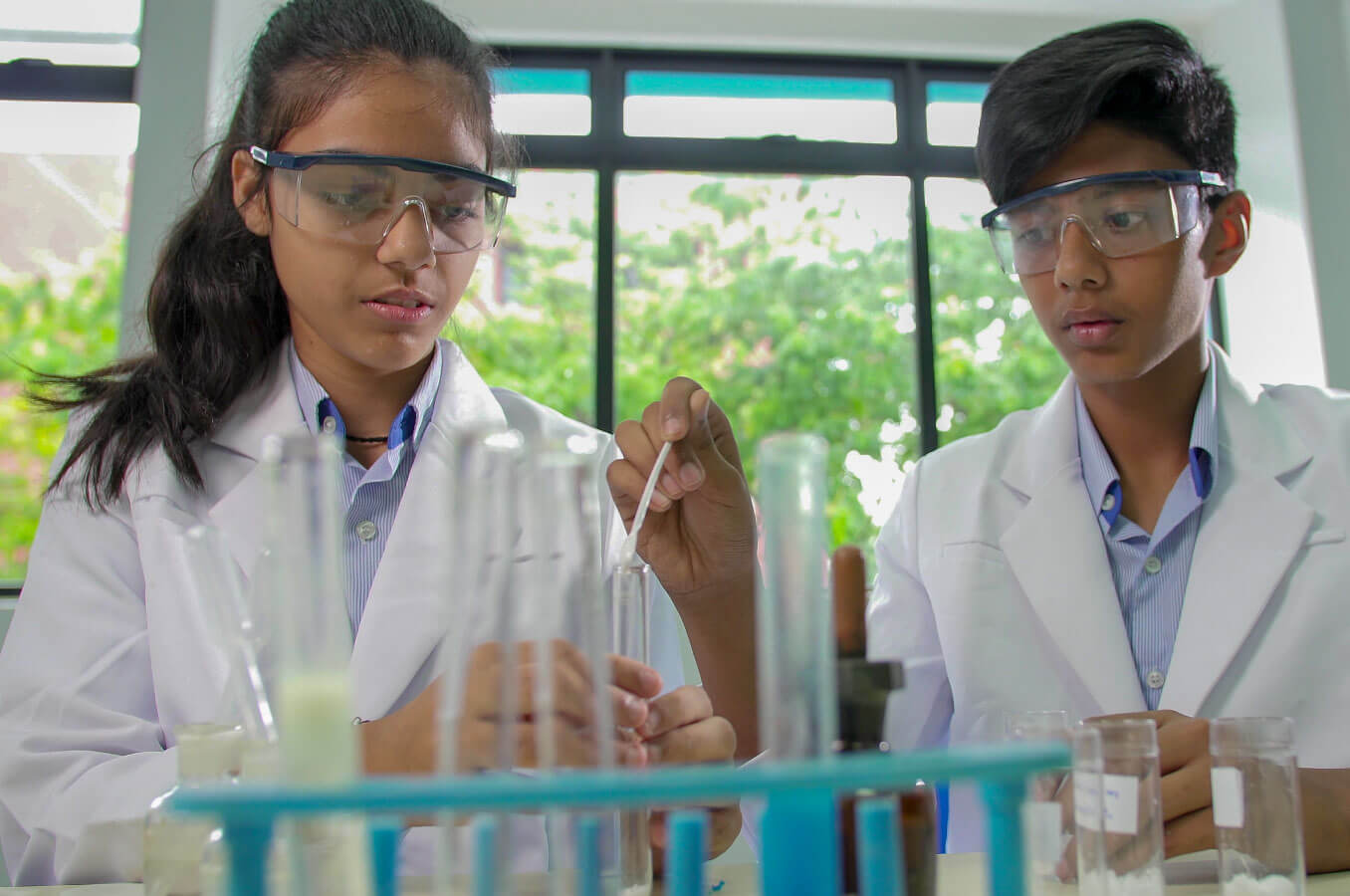
- In a science class, students build a small working model of a windmill.
- In history, students act as freedom fighters and write letters from jail.
- In English, they create skits from short stories instead of writing summaries.
Schools like Pune international schools have already started using such models.
Active Learning vs Passive Learning
Here’s a quick difference between these two:
| Type | Student Role | Tools Used | Outcome |
| Active Learning | You lead learning | Discussions, games, models | Better understanding, more fun |
| Passive Learning | You only receive | Lectures, textbooks, notes | Less memory, low involvement |
Tips for Students to Use It Daily
Want to use active learning even when your teacher doesn’t? Try this:
- While reading, ask questions to yourself.
- Make mind maps after each chapter.
- Study with friends. Explain topics to each other.
- Record your own voice while summarising lessons.
- Draw diagrams and charts from memory.
Don’t wait for others. You can use these habits every day to boost learning. Top CBSE Schools in Hinjewadi have already started using it. And many Pune International Schools train their teachers for this style too.
How to Include in Online Learning Too
Even in online classes, this works. Here’s how:
- Use breakout rooms for group tasks.
- Use quiz tools like Kahoot or Google Forms.
- Ask questions in chat.
- Make video presentations of your lessons.
In fact, when you use active learning, you also learn how to solve real problems, not just exam questions. This makes you ready for jobs and life outside the classroom. You learn how to speak better, listen clearly, and work with others.
These are all skills that matter more than just marks. And the best part? You start enjoying studies more. It doesn’t feel like a burden anymore, it feels like you’re doing something meaningful.
Many platforms are already using such tools to bring active learning to your screen. It works if you use them properly.
Final Thoughts
India’s education is changing fast. Students must take control of their learning. Active learning is not just a new style, it is a better one.
If you are in a Montessori Course in Pune or a college class, this method works at all levels.
We believe every student should try active learning in their daily study. Let’s build habits that help not just for exams, but for life. We suggest you share this with your friends and family. If you have questions or want tips, we are here to help. Try using active learning now, and feel the change.