“Creativity is intelligence having fun.” – Albert Einstein.
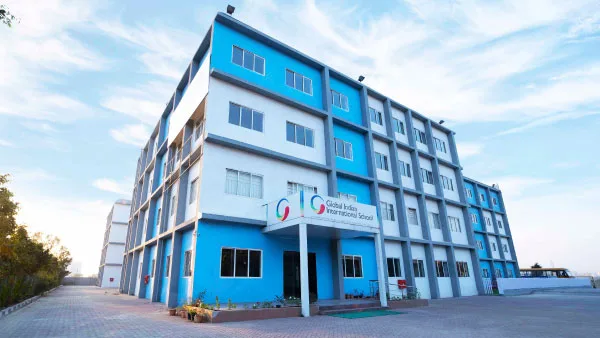
Arts integration is an instructional approach that combines the arts, such as music, dance, theater, and visual arts, with traditional academic subjects like mathematics, science, and language arts. This approach allows students to explore educational content through creative expression, making learning more engaging and meaningful. At institutions like GIIS Pune, arts integration in education is studied to provide students with opportunities to express ideas, understand complex concepts, and develop essential life skills.
Understanding Arts Integration
At its core, arts integration involves connecting an art form with another subject area in a structured way, so that students demonstrate understanding through creative processes. Unlike traditional teaching methods, where arts are taught separately, this approach blends artistic experiences into academic learning, fostering deeper comprehension and engagement.
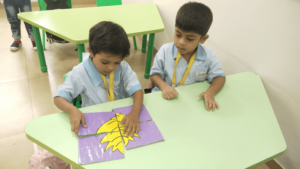
For example, while studying geometry, students might create geometric patterns using dance movements or visual arts. Similarly, in a literature lesson, drama or role-play can help students better understand character motivations and narrative structures. This makes learning experiential and interactive.
Theoretical Foundations Supporting Arts Integration
The effectiveness of arts integration in education is supported by several educational theories:
- Multiple Intelligences Theory (Howard Gardner): Gardner emphasizes that students possess diverse intelligences, including musical, bodily-kinesthetic, spatial, and interpersonal. Integrating arts caters to these multiple intelligences, allowing learners to express and understand knowledge in ways that align with their strengths.
- Cognitive Load Theory (John Sweller): Arts integration reduces cognitive overload by presenting information in multi-sensory ways. Visual, auditory, and kinesthetic channels work together to enhance understanding and memory retention.
- Constructivist Learning Theory (Piaget & Vygotsky): Students construct knowledge through experience. Arts integration creates active, hands-on learning opportunities, enabling learners to internalize and apply concepts effectively.
- Experiential Learning Theory (Kolb): Learning through experience and reflection is a central component of arts integration. By engaging in artistic activities, students actively process content, thereby improving their critical thinking and problem-solving skills.
Benefits of Arts Integration
The benefits of art integration in education are wide-ranging:
- Enhanced Engagement: Integrating the arts makes lessons dynamic and enjoyable, keeping students motivated and curious.
- Improved Academic Performance: Research indicates that students in arts-integrated classrooms often show better comprehension, retention, and academic achievement.
- Critical Thinking and Creativity: Artistic processes require students to analyze, evaluate, and create, enhancing cognitive flexibility.
- Social and Emotional Growth: Arts integration fosters collaboration, empathy, and self-expression, thereby enhancing emotional intelligence and teamwork skills.
- Cultural Awareness: Exposure to diverse art forms fosters appreciation for various cultures and traditions, nurturing global citizenship.
Practical Examples of Arts Integration
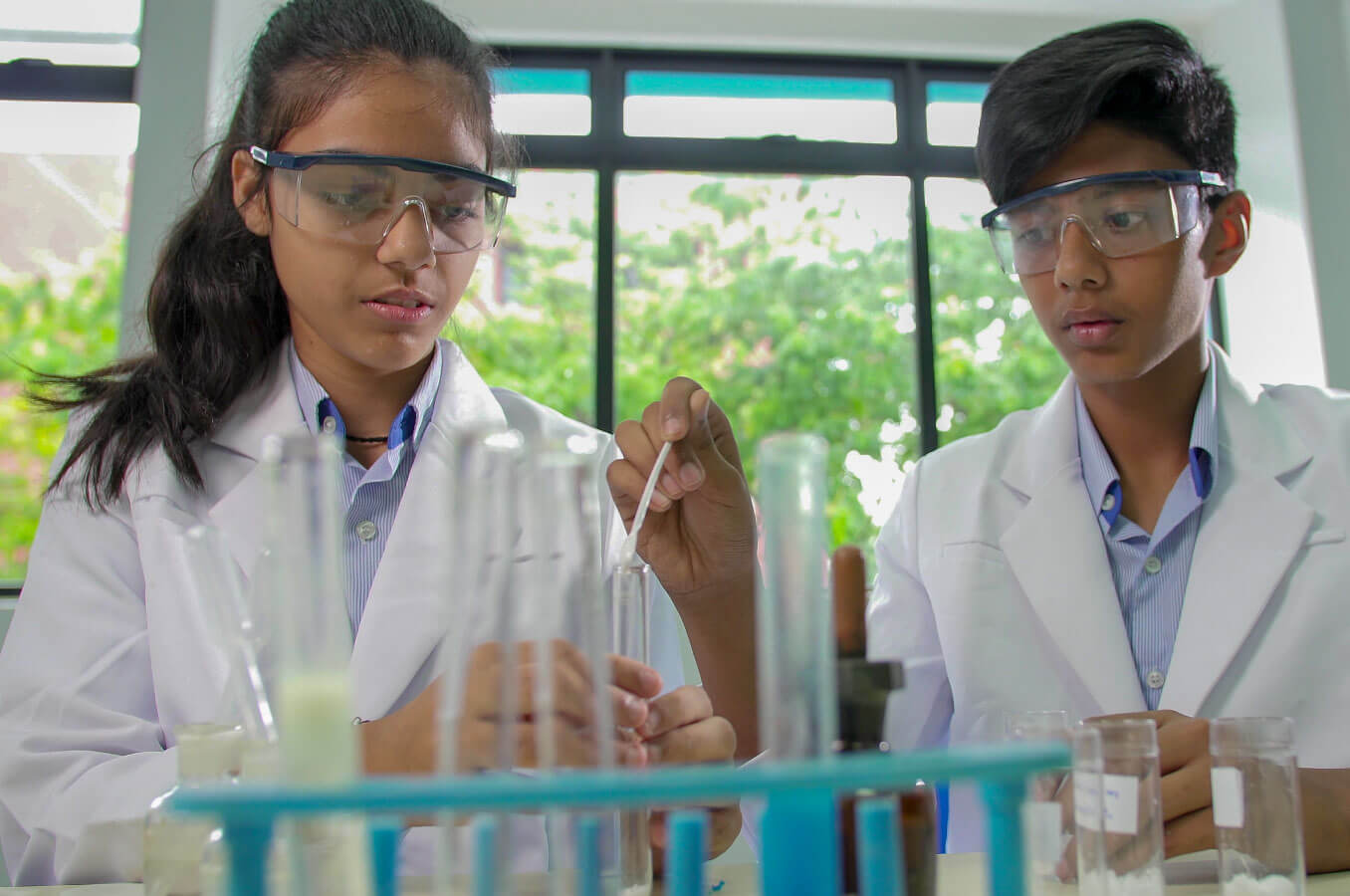
- In a science class, students might dramatize the water cycle or human anatomy through role-play or puppetry.
- While studying history, learners could create visual timelines, murals, or perform skits to depict historical events.
- Mathematics lessons can incorporate music, rhythm, or movement to help students understand patterns, sequences, and spatial relationships.
At their best, CBSE schools in Pune incorporate such techniques to create immersive and interactive classrooms that cater to multiple learning styles.
Arts Integration in the Indian Context
The National Education Policy (NEP) 2020 emphasizes holistic and multidisciplinary education, highlighting arts as a vital component for fostering creativity and critical thinking. Schools like CBSE schools near Magarpatta, Pune, are encouraged to integrate the arts with core subjects to enhance learning outcomes.
Implementing Arts Integration Effectively
To implement arts integration successfully, schools can focus on:
- Curriculum Planning: Identify natural connections between the arts and academic subjects to create cohesive lessons.
- Teacher Training: Provide educators with professional development in interdisciplinary teaching and creative strategies.
- Resources and Support: Ensure availability of art materials, digital tools, and supportive infrastructure for effective integration.
- Assessment Methods: Evaluate students not just on academic output but also on creative expression and application of knowledge.
At schools in Pune, India, structured arts integration is proving to be a transformative approach to learning, allowing students to develop academically, socially, and emotionally.
Arts integration is not merely an enrichment activity; it is an essential educational strategy that enhances learning outcomes, promotes creativity, and nurtures social-emotional skills. By integrating arts with academic content, students experience education in a multi-dimensional, engaging manner.
GIIS Pune, embraces arts integration in education and helps create inclusive, dynamic classrooms that cater to diverse learning styles and intelligences. By connecting the arts with academics, schools encourage students to explore, create, and understand the world around them more deeply, preparing them for both higher education and future careers.