“Learning is not the product of teaching. Learning is the product of the activity of learners.” – John Holt.
In today’s classrooms, education is no longer confined to chalk and board. Students engage with concepts through screens, interactive activities, and face-to-face discussions. This approach, popularly known as blended learning, has transformed how schools shape young minds. But what is blended learning, and why is it becoming so important in the modern education system?
What is Blended Learning?
At its core, blended learning in education is a teaching method that combines traditional classroom learning with digital or online tools. It ensures that students benefit from the personal guidance of teachers while also enjoying the flexibility and engagement that technology brings.
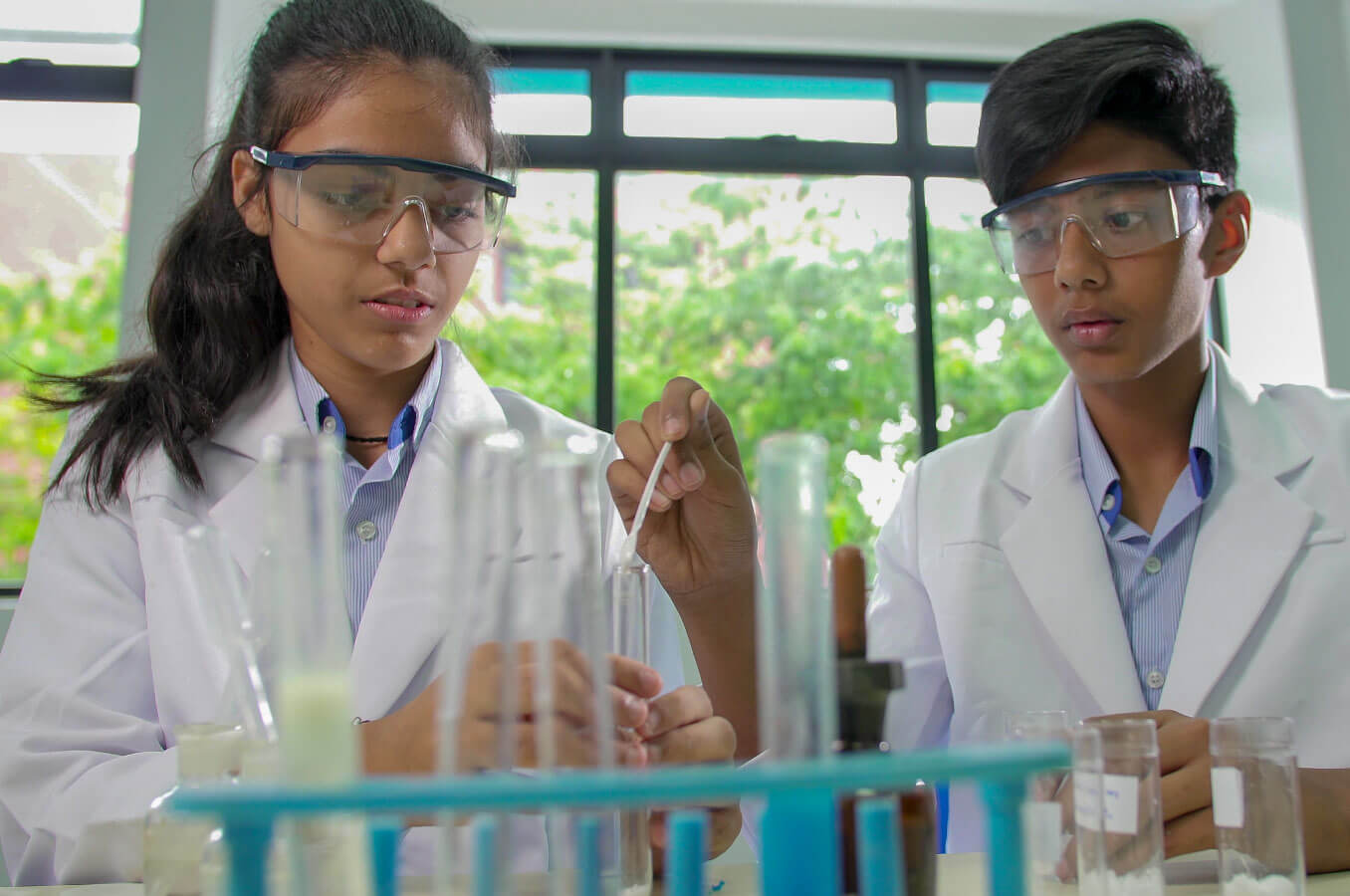
For example, a teacher may explain a science concept in class and then provide an online simulation for students to practice at home. This way, learning continues beyond the classroom, reinforcing understanding through multiple formats.
Why Does Blended Learning Matter?
The world outside school is increasingly digital. By adopting blended learning in education, schools prepare students for a future where technology and human interaction coexist. For students in growing education hubs like Pune, where parents look for good schools in Pune that balance innovation with tradition, this model ensures holistic growth.
Some of the biggest benefits of blended learning include:
- Personalization – Students can learn at their own pace.
- Engagement – Interactive videos, quizzes, and apps make learning an engaging experience.
- Accessibility – Resources are available anytime, anywhere.
- Skill-building – Encourages independent research, problem-solving, and collaboration.
Types of Blended Learning
Educators employ various methods, tailored to the subject, student needs, and available resources. Some common types of blended learning include:
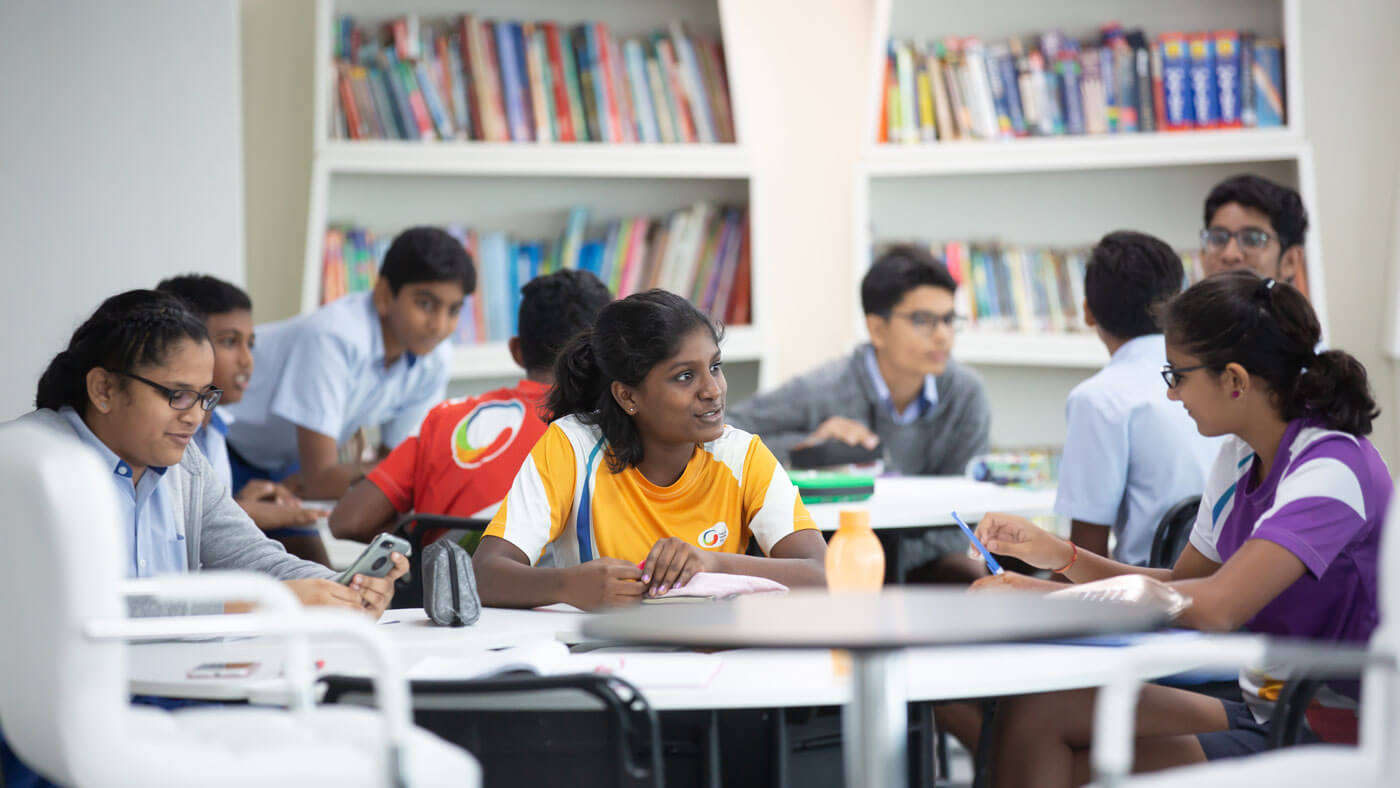
- Rotation Model – Students rotate between various learning methods, including teacher-led instruction, group activities, and online modules.
- Flex Model – Online learning is the primary mode, with teachers providing support as needed.
- Flipped Classroom – Students go through online lessons at home and use classroom time for discussions, projects, and problem-solving.
- Enriched Virtual Model – A mix of face-to-face sessions and longer stretches of online learning, giving students more autonomy.
By integrating these models, CBSE schools in Wakad, Pune, can offer a variety of experiences that cater to different learners.
Blended Learning in CBSE Education
Within the CBSE curriculum, blended learning is particularly effective because it supports both academic rigor and creative exploration. While textbooks provide structure and standards, digital platforms enable students to explore topics in greater depth and detail. For instance, a history lesson may involve traditional classroom teaching followed by an interactive timeline or virtual museum tour online.
For families seeking schools in Keshav Nagar, Pune, a CBSE school that uses blended learning ensures that students are not just memorizing but truly connecting with the material.
The Role of Teachers in Blended Learning
Even with technology at its center, blended learning in education does not replace teachers; instead, it enhances their role and responsibilities. Instead, it enhances their role. Teachers become facilitators, guiding students to explore, analyze, and apply the knowledge they have learned. They can track student progress more effectively through digital tools, identify where a child is struggling, and provide targeted support.
This means students still enjoy the personal connection of a classroom while gaining the benefits of technology-driven insights.
Why does it mean for parents?
As a parent, you may wonder why blended learning is so significant. The answer lies in balance. Children today are surrounded by technology, but they also need strong interpersonal skills. A school that adopts blended learning in education gives them the best of both worlds: structured learning with teachers and creative freedom through technology.
Moreover, with cities like Pune being home to excellent schools, parents have the opportunity to choose institutions that prepare their children not just for exams, but for the challenges of tomorrow.
Education is evolving rapidly, and blended learning is at the center of this change. It connects the warmth of human interaction with the power of technology, ensuring students are better prepared for both academic success and life skills.
Whether you are exploring CBSE schools in Wakad, Pune, or researching schools in Keshav Nagar, Pune, knowing that a school embraces blended learning in education should give you confidence that your child’s future is in capable hands.