Are students really as healthy as we think they are? With packed school days, long screen time, junk food habits, and no fixed routine, health is usually the last thing on their mind. But without health, no child can learn or grow well in school.
The real question now is – how to maintain good health for students in today’s school environment?
This guide is for every teacher and parent who wants to see their children stay active, eat better, and feel good—both inside and outside school.
Why Focusing on Student Health in Schools is a Must

A sick child cannot learn. And when students fall sick often, their academics, confidence and energy all drop. Schools are more than classrooms. They are also places where health habits are formed for life. That’s why every school must think about student health as much as books.
Also, children don’t always share how they feel. They keep going until it becomes worse. It’s teachers and parents who must watch and act early.
If you’re exploring Top CBSE Schools in Hadapsar Pune, make sure to ask how they manage daily routines, food breaks, outdoor time and physical education. The best schools work on all-round care.
Daily Habits That Support Student Wellness
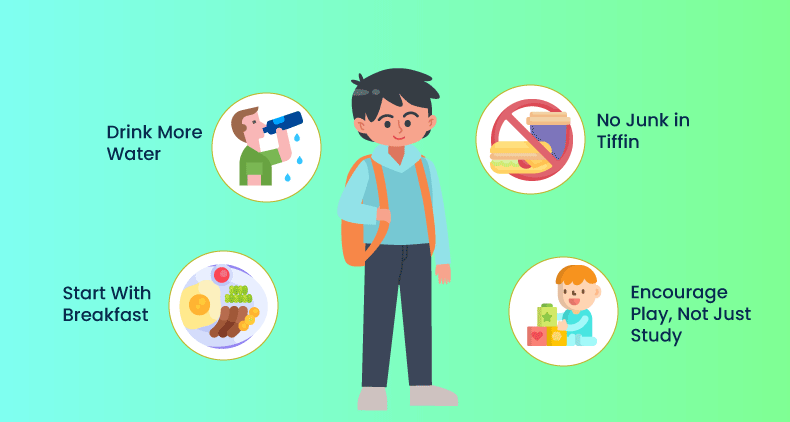
Good health doesn’t come from one thing. It needs a mix of food, rest, hygiene, and activity. Students must build small habits that add up over time. Let’s talk about what matters daily.
Start With Breakfast
Most students skip breakfast or have only biscuits. This harms focus and energy. A good breakfast must include carbs, protein, and fruit.
Drink More Water
Many children stay dehydrated, especially during summer. Set a goal: 5-6 glasses in school alone. Refill bottles after every break.
No Junk in Tiffin
Packets, fried snacks, and fizzy drinks look cool but bring low energy and digestion issues. Schools should encourage homemade meals with variety.
Encourage Play, Not Just Study
After classes, students need outdoor time. Football, cycling, cricket, or even running improves blood flow, mood, and immunity.
If you’re helping your child through Nursery Admission or checking out the Best Nursery Schools in Pune, always ask how daily routines are balanced. These early years shape life habits.
How to Build a Health-Focused School Environment
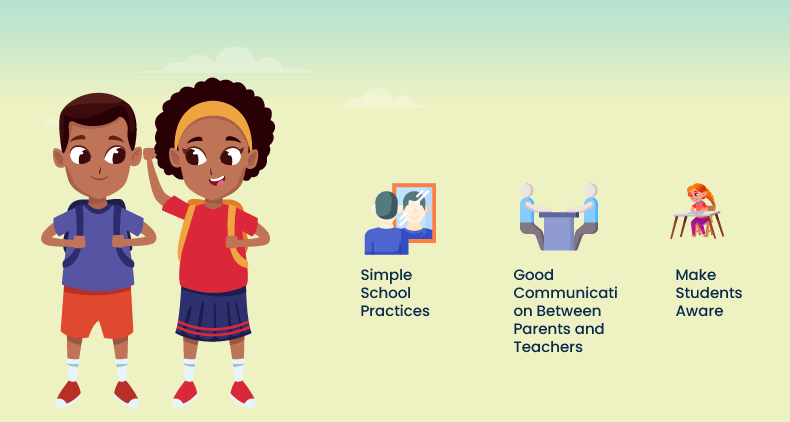
Schools must not only talk about health during events. Health must be part of the system. From physical education to regular health check-ups, schools must design space and time for wellness.
Simple School Practices:
- Morning assembly with stretching
- Class breaks after every 40 mins
- Clean water and washrooms
- No long homework daily
- Mental health talks once a month
Good Communication Between Parents and Teachers
If a child looks tired, or feels weak often, schools should talk with families. Early talk avoids big health problems later.
Make Students Aware
Create posters. Organise workshops. Show how simple things like handwashing or sitting posture matter. Students listen when you make it visual.
Techniques That Help Students Build Healthy Habits
Students won’t listen to rules. But they follow routines and love challenges. Use techniques that fit their daily life and school timings.
Technique: The Healthy Jar
Have one jar at school and home. Every time a student drinks water, eats fruit, or plays outside – they drop a button or chit inside. Review at the end of the week.
Technique: 20-20-20 Eye Rule
After every 20 minutes of screen time, look at something 20 feet away for 20 seconds. Helps with eye strain, especially for higher grade students.
Technique: Fun Fruit Day
Pick one day every week. Everyone brings one fruit. Share, eat, learn. Also builds team spirit.
Technique: Energy Check Table
Let’s look at one basic health table schools can use every week to monitor students.
| Habit Check | Daily Target | Who Monitors | Notes |
| Drinking water | 5-6 glasses in school | Student | Ticks in diary |
| Lunch quality | 1 fruit + 1 veg item | Class teacher | Random lunchbox check |
| Physical activity | 30-45 mins daily | PE Teacher | Weekly sports log |
| Screen-free time | 1 hour before bed | Parent | Verbal check every night |
| Sleep | 8-10 hours | Parent | Discuss in PTM |
This way, health isn’t left only for check-ups. It becomes a daily focus.
What the Numbers Say
A 2020 survey showed that around 20% of Indians under the age of 19 fall sick more than two times in a year. This points to weak immunity and low attention to daily health. In schools, this can lead to absenteeism, poor scores, and lack of motivation.
So, we don’t need fancy tools. We need to go back to basics—food, rest, water, hygiene, movement.
Conclusion: How to Maintain Good Health for Students Begins at School
Every parent and teacher must focus on how to maintain good health for students—not later, but right now. It begins in school and carries into every part of life. Let’s help students feel fresh, strong, and ready to learn each day. Because when students feel healthy, they perform better, think clearly, and stay happy.
GIIS Pune understands this need. The school includes regular health checks, balanced meals, PE periods, and student wellness activities across age groups.
Also, don’t forget to share this with other parents and friends. Health matters to every child.