“It is important to foster individuality, for only the individual can produce the new ideas.” – Albert Einstein
Ideas propel individuals to innovate, use creativity, and employ problem-solving skills. They enable students to approach complex problems with various perspectives and possibilities. In a world that is uncertain and rapidly changing – particularly in the high-performance landscape of Singapore, embracing individuality drives innovation, fosters ingenuity, and encourages diverse approaches. By allowing a child to discover their true potential and pursue their unique passions, we set them on a path toward lifelong fulfillment.
In this comprehensive guide, we explore the importance of encouraging individuality in children, how it aligns with 21st-century competencies, and practical strategies for parents and educators to nurture a child’s unique spirit within the local Singaporean context.

Why Individuality Matters in 21st-Century Education
In the past, traditional education systems often prioritized conformity and rote learning. However, as we navigate the complexities of the modern era, the “one-size-fits-all” approach is no longer sufficient. Supporting a child’s uniqueness makes them feel special and encourages them to be comfortable with their distinctiveness.
As we nurture their unique abilities and ideas, it positively influences their personal development and overall well-being, specifically contributing to their:
- Self-awareness and self-acceptance
- Sense of empowerment and self-confidence
- Critical thinking and complex problem-solving
- Ownership of their learning journey and independence
- Creativity and collaborative social skills
- Leadership potential and cultural intelligence
The Psychological Benefits: Fostering Self-Awareness and Confidence
1. Developing a Strong Sense of Self
In today’s competitive world, being unique is an advantage; it helps a child stand out if they use their innate talents and abilities correctly. By fostering individuality, we enable children to become self-aware. This process encourages them to develop a strong sense of self-esteem as they learn to accept who they are, rather than who they think they should be. In the long term, this reduces the risk of identity crises and peer-pressure-related anxiety during their teenage years.
2. Building Unshakeable Self-Confidence
When children are allowed to express their individuality, they become more confident and better equipped to navigate through challenges. They learn to value their own internal compass, which fosters critical thinking. As they use their independent thinking to navigate through challenging situations, they gather helpful life experiences that prepare them for the future.
This is particularly vital during school transitions, such as the move from primary to secondary school in Singapore. A confident child who understands their own strengths is more likely to forge healthy friendships and adapt to more rigorous academic environments.
How to Foster Individuality in Students: Practical Strategies
Parents and educators often ask: How do we balance discipline with individuality? The key lies in creating “structured freedom.” Here are five actionable ways to encourage a child’s unique traits:
1. Nurture Diverse Forms of Self-Expression
Encouraging individuality in children involves providing them with ample opportunities for self-expression beyond academics. This can be achieved through creative means, such as:
- Art and Design: Encouraging visual storytelling.
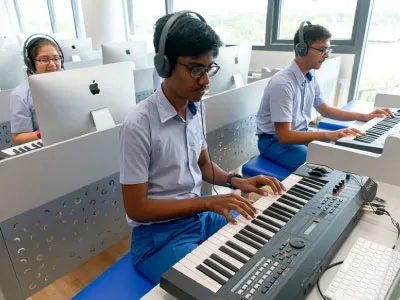
- Music and Performing Arts: Using drama to explore different personalities.
- Creative Writing: Allowing students to draft narratives that reflect their personal views.
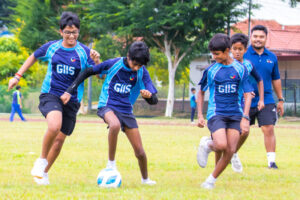
- Sporting Activities: Finding a sport that suits their physical and mental temperament.
By engaging in activities that resonate with their interests, children explore their unique talents. Furthermore, supporting self-expression helps them develop effective communication skills, enabling them to form meaningful connections with both peers and adults.
2. Encourage Independent Decision-Making
Give your child choices. Even small decisions – like choosing their own books at the library or picking their co-curricular activities (CCAs)—build the muscles of individuality. This teaches them that their preferences matter and that they are responsible for the outcomes of their choices.
3. Focus on Effort and Process, Not Just Results
In a grade-centric environment, children often suppress their individuality to “get the right answer.” To counter this, praise the unique way they solved a problem or the creative angle they took in a project. This shifts the focus from “matching the template” to “valuing the thought process.”
Building Resilience and Respecting Diversity
As we encourage children to take ownership of their actions, it leads to the development of a strong sense of responsibility. Together, these factors empower them to develop problem-solving and adaptability skills. Individuality and resilience are deeply linked. When a child knows who they are, they learn to navigate obstacles and find personalized coping mechanisms to bounce back from setbacks. They don’t just follow the crowd; they find their own path to recovery.
Furthermore, embracing individuality teaches children the importance of accepting and respecting diversity in others. By understanding that their own “uniqueness” is a gift, they learn to appreciate different cultures and opinions. This fosters empathy and compassion, which are the cornerstones of a harmonious society, especially in a multicultural hub like Singapore.
Preparing for the Jobs of the Future
In a rapidly evolving world, where innovation and creativity are highly valued, the importance of encouraging individuality in children is higher than ever. According to reports from the World Economic Forum, the jobs of the future require individuals who can think critically and bring fresh, non-linear ideas to the table.
Automation may take over repetitive tasks, but it cannot replicate the unique human perspective. By nurturing a child’s individuality today, we are future-proofing their career and personal life for 2035 and beyond.
The GIIS Approach: Fostering Uniqueness Through Choice
At GIIS, we believe in fostering uniqueness from a young age as we equip children with the skills and mindset needed to succeed in this ever-changing world. Our educational philosophy is built on the 9GEMS model, which aims to develop students over and beyond academic excellence.
As an all-through school, our multiple international curricula choices enable students to opt for a pathway suited to their individual learning styles:
- IB Primary Years Programme (PYP)
- ケンブリッジIGCSE
- IB Diploma Programme (IBDP)
- Central Board of Secondary Education Curriculum (CBSE)
Beyond the classroom, our leadership opportunities for secondary students and extra curricular activities give our students the chance to explore and thrive in their individual strengths.
Frequently Asked Questions (FAQs)
1. Does encouraging individuality lead to a lack of discipline?
No. In fact, it often leads to better self-discipline. When a child understands their own values and is given ownership of their actions, they are more likely to follow rules because they understand the “why” behind them, rather than just obeying out of fear.
2. How can I identify my child’s unique talents?
Observation is key. Notice what your child does when they have free time. Are they drawing? Building with blocks? Telling stories? Organizing their toys? These natural inclinations are the first signs of their individual strengths.
3. How does the Singapore education system view individuality?
The Singapore Ministry of Education (MOE) has shifted significantly toward “Holistic Development.” Programs like the Direct School Admission (DSA) recognize individual talents in sports, arts, and leadership, proving that individuality is increasingly valued alongside academic results.
4. How can schools help children who are naturally shy to express their individuality?
At GIIS, we provide a safe, inclusive environment where every voice is heard. Through small group projects, “Show and Tell” sessions, and diverse CCA options, we allow shy students to find a medium of expression that feels comfortable for them, whether it’s through coding, writing, or visual arts.
結論として、子どもの個性を伸ばすことは、全人的な発達と将来の成功に不可欠である。子どもたちの個性を受け入れ、自己表現を育み、回復力を養い、将来に備えることで、私たちは子どもたちが自信を持ち、思いやりがあり、革新的な人間になる力を与えることができる。
Are you interested in learning more about how we nurture every student’s unique potential? Book a campus tour today or speak with our admissions counsellors.

シュブダルシャニ・ミトラ
コンテンツ制作、キュレーション、編集の分野で10年以上の経験を持つ。インドの新聞社、学校雑誌、国際的なニュースサイトで、コンテンツ戦略の実行とコミュニケーションについて、リーダーと緊密に協力してきた。仕事以外では、情熱的なモノクロ写真家であり、ストーリーテラーでもある。