Starting primary school is an important milestone for children and parents. Alongside choosing a curriculum and visiting campuses, families need to understand when their child can enrol and how to apply.
Primary school admission in Singapore follows different processes for mainstream local schools and international schools. Local Primary 1 admission is managed through the Ministry of Education’s registration exercise, while international schools manage their own applications, placement requirements and intake schedules.
Knowing which route applies to your family helps you prepare the right documents and plan ahead.
What Is the Age Requirement for Primary School in Singapore?
Mainstream local schools
Children generally enter Primary 1 in the year they turn seven. Eligibility is determined by an exact date-of-birth range, so parents should check the relevant registration exercise rather than relying on age alone.
For example, the 2026 Primary 1 Registration Exercise, for admission in 2027, covered children born between 2 January 2020 and 1 January 2021, inclusive. Registration takes place in the year before the child starts school.
国际学校
International schools set their own age cut-offs and placement requirements. Grade 1 at one school should not automatically be treated as equivalent to Primary 1 or Year 1 at another.
When enquiring, share your child’s:
- Date of birth
- Current grade and curriculum
- Most recently completed school year
- Intended starting date
Ask the admissions team to confirm the appropriate grade and the date used to calculate age eligibility.
Local and International School Admission: Key Differences
| Consideration | Mainstream local schools | 国际学校 |
| Application route | MOE registration or the relevant admissions exercise | Application directly to the school |
| Entry age | Published MOE eligibility criteria | School-specific age and placement requirements |
| Application timing | Defined registration windows | School-specific deadlines and intake arrangements |
| Nationality considerations | Different processes for citizens, permanent residents and international students | Eligibility depends on school requirements and applicable regulations |
| Placement | Subject to the relevant allocation rules and vacancies | Subject to school review, requirements and availability |
Families should confirm both eligibility and availability before making arrangements around a particular school.
How Does Local Primary 1 Registration Work?
For Singapore Citizens and Permanent Residents
MOE’s Primary 1 registration exercise includes Phases 1, 2A, 2B, 2C and 2C Supplementary. Each phase has its own eligibility criteria.
Factors such as an existing sibling at the school or other qualifying connections may determine which phase applies. Where applications exceed vacancies, priority rules and balloting can affect placement.
Parents should check the current exercise’s requirements and prepare before their eligible phase opens.
For international students
Children who are neither Singapore Citizens nor Permanent Residents follow a separate Primary 1 process. This involves submitting an indication of interest before the later registration stage.
International students are considered after places have been allocated to Singapore Citizens and Permanent Residents. Submitting an indication of interest does not guarantee admission, because remaining vacancies are limited.
Families seeking entry into a higher primary level should check the applicable MOE admissions route separately. Primary 1 registration should not be used as a guide for all primary grades.
How to Apply to an International Primary School
Although individual requirements differ, the following steps can help parents organise their application.
1. Confirm the curriculum and grade
Discuss how your child’s current learning aligns with the proposed programme. Ask about subject coverage, language learning and the transition from their previous school.
Confirm grade placement before submitting an application or making payments.
2. Visit the campus
Use a school visit to understand everyday learning. Ask about classroom routines, communication with parents, co-curricular activities and support for children joining a new school.
A visit is also an opportunity to discuss any learning or medical needs relevant to your child’s school experience.
3. Prepare the required documents
Request the school’s current checklist. Depending on the application, this may include identity documents, school records, photographs and health information.
Check whether documents issued in another language require an English translation.
4. Complete the school’s review process
Ask whether your child needs an assessment, interview or classroom observation. Confirm its purpose, format and any preparation required.
5. Review the offer and enrolment terms
Before accepting a place, check:
- Confirmed grade, curriculum and starting date
- Tuition and additional charges
- Payment deadlines
- Refund and withdrawal conditions
- Any outstanding admission requirements
Keep a copy of the signed agreement and payment records.
Primary School Admission at GIIS in Singapore
GIIS in Singapore offers primary education options including the IB Primary Years Programme and CBSE. Parents can discuss the suitable curriculum and grade with the admissions team.
The school’s published admissions process includes:
- Meeting the admissions team and submitting the registration form.
- Paying the registration fee.
- Providing the required documents.
- Completing the e-contract.
- Paying the applicable term fee.
GIIS also states that applicants undergo an assessment to determine academic preparedness and admission level. Confirm the arrangements for your child’s intended grade directly with admissions.
Documents to prepare for GIIS
The published checklist includes:
- Child’s birth certificate and recent passport-sized photograph
- Passport and identification documents for the child and parents
- Immunisation record for primary applicants
- Transfer certificate or school-leaving certificate
- Relevant medical documents, where applicable
Ask the admissions team which documents apply if your child is entering formal schooling for the first time.
When Should Parents Start Planning?
Begin researching before your intended starting year, particularly if you are relocating or changing curricula.
For local schools, work backwards from the official registration calendar. For international schools, ask when applications are accepted and whether places are available for your preferred grade and starting date.
Early preparation gives families time to gather records, compare programmes and discuss any transition support their child may need.
Preparing Your Child for Primary School
Alongside the application process, help your child become familiar with everyday school routines.
Practise opening a lunchbox, organising belongings, following simple instructions and asking an adult for help. Reading together and talking positively about school can also make the transition feel more familiar.
Share useful information with the school, including your child’s interests, previous classroom experience and any concerns about settling in.
Explore Primary Education at GIIS in Singapore
Choosing a primary school involves understanding both the admission requirements and the learning environment your child will join.
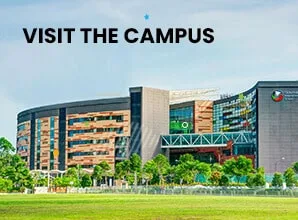
Book a campus tour at GIIS in Singapore to discuss curriculum options, confirm grade eligibility and understand the application steps for your intended intake.

GIIS 团队
Team GIIS is a group of enthusiastic writers who bring the vibrant world of GIIS in Singapore to life through engaging blog posts. Dedicated to highlighting the school’s teaching methodology, innovative learning environment, and diverse curriculum options like IB, Cambridge and CBSE, they aim to connect with parents, educators and students, sharing insights and stories that inspire and inform the school community.