Every parent wants to choose the educational pathway that will best support their child’s confidence, happiness, academic growth, and future opportunities.
In Singapore, one of the most common decisions families face is whether to follow the local PSLE pathway or opt for an international school education.
Both options offer strong academic opportunities, but they differ significantly in learning style, assessment methods, classroom environment, and long-term university pathways.
For many families, the decision goes beyond academics alone. Parents are often thinking about:
- How much pressure their child may face
- Whether their child enjoys structured or flexible learning
- Future university opportunities
- Emotional wellbeing and confidence-building
- Long-term family plans and global mobility
When comparing local school vs international school Singapore options, understanding both systems clearly can help parents make a more confident and informed decision.
Understanding the Difference Between Local Schools and International Schools in Singapore
Singapore’s local schools follow the Ministry of Education (MOE) curriculum, culminating in the Primary School Leaving Examination (PSLE) at the end of Primary 6.
The local education system is widely recognised for:
- Strong academic rigour
- Excellent mathematics and science standards
- Structured bilingual education
- Clear academic progression pathways
International schools in Singapore operate independently from the MOE curriculum and usually offer globally recognised programmes such as:
- International Baccalaureate (IB)
- 剑桥 IGCSE
- British curriculum
- American curriculum
- CBSE and Indian national curricula
These schools generally emphasise:
- 全面发展
- Inquiry-based learning
- Creativity and collaboration
- Student participation and communication skills
- Global perspectives and multicultural exposure
Students are often assessed through projects, presentations, coursework, and collaborative learning experiences alongside formal examinations.
Who Is the PSLE Pathway Best Suited For?
The PSLE pathway is often ideal for:
- Singapore Citizens and Permanent Residents
- Families seeking affordable, high-quality education
- Students who thrive in structured academic environments
- Families planning to remain in Singapore long term
- Students aiming for Singapore or UK-style university pathways
Singapore’s education system is globally respected for producing strong academic outcomes, particularly in mathematics and science.
However, the pathway can also be highly competitive and academically demanding from an early age.
Many parents also appreciate the emphasis on confidence-building, communication, leadership, and creativity.
Students often benefit from:
- Greater classroom participation
- Collaborative learning opportunities
- Reduced exam pressure
- Exposure to diverse cultures and perspectives
- Stronger development of public speaking and interpersonal skills
For families exploring PSLE alternatives in Singapore, international schools can provide a more flexible and globally oriented educational experience.
Cost of Local vs International School Singapore
One of the biggest considerations for families is tuition cost.
| Student Status | Government Primary School | International School |
| Singapore Citizen | Mostly miscellaneous fees only | SGD 20,000–50,000+ |
| Permanent Resident | ~SGD 3,000–6,000+ | SGD 20,000–50,000+ |
| International Student (ASEAN) | ~SGD 7,000–13,000+ | SGD 20,000–50,000+ |
| International Student (Non-ASEAN) | ~SGD 11,000–25,000+ | SGD 20,000–50,000+ |
Note: Admission to local schools for international students is highly competitive and subject to MOE availability through the AEIS process.
Academic Pathways: PSLE vs IGCSE and IB in Singapore
The PSLE Pathway
Students complete six years of primary education focused on:
- 英语
- 数学
- 科学
- Mother Tongue Language
PSLE results influence secondary school placement and subject-level eligibility under Singapore’s Full Subject-Based Banding (FSBB) framework.
Students may then progress through:
- O-Levels – Junior College / Polytechnic
OR - Integrated Programme (IP) – A-Levels / IB Diploma
Singapore’s A-Level pathway remains highly respected by universities in Singapore, the UK, and across Asia.
The International School Pathway
A typical international education pathway may include:
- Primary / Elementary School
- Middle School
- IGCSE or equivalent qualification
- IB Diploma / A-Levels / AP / CBSE
- University
International schools generally place greater emphasis on:
- Research skills
- Critical thinking
- Student agency
- Interdisciplinary learning
- Global perspectives
IGCSE Stage (Ages 14–16)
Students typically study 7–11 subjects tailored to their strengths and interests.
Pre-University Stage (Ages 16–18)
Students may pursue:
- 国际文凭课程(IBDP)
- A-Levels
- Advanced Placement (AP)
- CBSE Senior Secondary
These qualifications are widely recognised by universities across North America, Europe, Asia, Australia, and the Middle East.
For globally mobile families considering an IB school Singapore or IGCSE Singapore pathway, international curricula often provide greater flexibility and smoother transitions across countries.
Pros and Cons of the PSLE Pathway
| Category | Point | Description |
| Advantages | Affordable Education | Local schools are highly subsidised for Singapore Citizens and Permanent Residents. |
| Advantages | Strong Academic Foundations | Singapore students consistently rank among the world’s strongest academic performers. |
| Advantages | Structured Bilingual Education | Students develop proficiency in English alongside a Mother Tongue language. |
| Advantages | Academic Discipline | The system builds resilience, consistency, and strong study habits. |
| Challenges | High Academic Pressure | The PSLE remains a major milestone examination that can create stress for students and parents. |
| Challenges | Competitive School Placement | Entry into highly sought-after schools is still strongly influenced by examination results. |
| Challenges | Less Flexible Learning Structure | Compared with many international school models, local schools may provide less classroom time for open-ended exploration, presentations, and inquiry-led learning. |
Why Many Families Choose International Schools in Singapore
Holistic Assessment: Students are evaluated through:
- Projects
- Presentations
- Coursework
- Collaborative learning
- Continuous assessment
rather than relying primarily on a single national examination.
Global Mobility: Curricula such as IB and IGCSE are recognised internationally, making school transitions easier for relocating families.
Diverse Extracurricular Opportunities: Many international schools invest heavily in:
- 体育
- Robotics
- Performing arts
- Debate
- Leadership development
- International exchange programmes
Smaller Class Sizes: Students may receive more personalised support and classroom attention.
Confidence and Wellbeing: Many parents value the stronger focus on:
- Student confidence
- Communication skills
- Emotional wellbeing
- Independent thinking
- Collaboration and participation
GIIS Singapore vs Singapore Local Schools
Parents comparing best international schools Singapore options often evaluate Global Indian International School (GIIS) alongside local MOE schools.
| Category | Singapore Local Schools | 新加坡 GIIS |
| Academic Style | Exam-focused | Holistic + structured |
| 课程设置 | MOE + PSLE | IB / Cambridge / CBSE |
| Tuition Costs | Highly subsidised | Value-driven international school education |
| Student Diversity | Mostly local students | Multinational student body |
| University Flexibility | Strong for Singapore/UK | Strong global portability |
| Assessment Style | High-stakes exams | Continuous + external assessments |
| Classroom Environment | Larger classes | Smaller class sizes |
For many families, GIIS offers a balanced approach that combines academic rigour with flexibility, holistic development, and globally recognised pathways.
最终想法
Both the PSLE pathway and international school education offer strong academic opportunities for students in Singapore.
The right choice ultimately depends on your child’s learning style, future goals, family priorities, and preferred educational environment.
Some students thrive in highly structured and academically rigorous systems, while others flourish in collaborative, inquiry-based learning environments that emphasise confidence, creativity, and global exposure.
At GIIS Singapore, families benefit from internationally recognised curricula, holistic development, and future-ready learning pathways designed to help every child thrive both academically and personally.
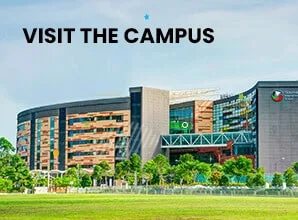
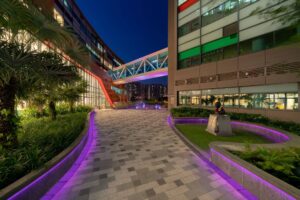
Explore the GIIS Singapore learning experience through a campus tour or admissions consultation.
常见问题
1. Can a Singapore Citizen attend an international school?
Yes. Singapore Citizens of compulsory school age generally require MOE approval or exemption to attend an international school.
- Is the PSLE harder than international primary school exams?
The PSLE is generally considered more academically rigorous in subjects such as Mathematics and Science compared with many international primary curricula.
However, the learning philosophies are very different.
- What happens if an international student does not pass the AEIS?
Students who do not secure placement through AEIS cannot enter the local school system for that intake cycle.
Many families choose international schools to avoid disruption to their child’s education.
- Which pathway is better for global university admissions?
Both pathways can lead to top universities worldwide.
Singapore A-Levels are highly respected internationally, while IB, IGCSE, AP, and A-Level pathways offer broad global recognition and flexibility.
- Do international schools offer Mother Tongue language programmes?
Yes. Many international schools offer languages such as:
- Mandarin
- Hindi
- 梵语
- 法语
- Spanish
However, these programmes are generally less intensive than Singapore’s MOE Mother Tongue curriculum.
GIIS 团队
Team GIIS is a group of enthusiastic writers who bring the vibrant world of GIIS in Singapore to life through engaging blog posts. Dedicated to highlighting the school’s teaching methodology, innovative learning environment, and diverse curriculum options like IB, Cambridge and CBSE, they aim to connect with parents, educators and students, sharing insights and stories that inspire and inform the school community.