Many parents often wonder why their child understands some lessons easily but struggles with others, even when they make a genuine effort.
It usually comes down to timing and the type of help they’re getting. In education, there’s a point where a student can almost grasp a new idea; they’re close, but not quite there yet. This space, where a bit of guidance can lead to real progress, is known as the Zone of Proximal Development (ZPD).
It’s a concept worth knowing.
What Is a Zone of Proximal Development?
To keep it clear, let’s answer this first: What is the Zone of Proximal Development?
It’s the gap between:
- What a learner can do alone, &
- What they can do with help from someone more experienced (like a parent, teacher, or tutor).
Russian psychologist Lev Vygotsky introduced the term. So when people say Vygotsky’s Zone of Proximal Development, they’re referring to this core idea — that support matters during learning.
Here’s a table to make it easier to understand:
| Level of Task | Learner’s Ability | Support Needed |
| Too easy | Can do independently | None |
| Zone of Proximal Development | Can’t do alone, but can do with guidance | Yes – needs some support |
| Too hard | Can’t do, even with help | Not yet ready |
This middle zone — where they need guidance — is where growth happens. That’s what the Zone of Proximal Development theory is all about.
How Does the Zone of Proximal Development (ZPD) Work in Education?
Let’s examine how this plays out in real-world learning.
Teachers often work within this zone without even naming it. They set tasks that aren’t too easy, but not too frustrating either. Then, they offer the right amount of guidance — and slowly step back.
Some examples of this include:
- Breaking down maths problems, then letting the child solve similar ones
- Giving sentence starters during writing tasks
- Offering questions during reading, instead of answers
Older students also benefit from understanding their current standing. They start to notice when they can push through a task with slight hints, rather than giving up or guessing blindly.
Parents at home can do the same. When your child says “I don’t get it”, it doesn’t always mean they need the answer. Sometimes, just a small clue or asking the right question puts them back on track. That’s you working inside their Zone of Proximal Development (ZPD).
Zone of Proximal Development Examples
Let’s take some real examples that match school subjects:
-
English (Class 7)
A student is writing a paragraph. They can form sentences, but struggle with organising them. The teacher gives a paragraph plan and checks the first draft. After a few rounds, the student can write alone. This is a clear example of Zone of Proximal Development.
-
Science (Class 10)
The student is learning about chemical equations. They’ve memorised some reactions but can’t balance them. With step-by-step help and repeated practice, they start to balance on their own. This task falls squarely within their Zone of Proximal Development (ZPD).
-
Gujarati (Class 8)
The learner reads well but can’t write summaries. The teacher gives guided practice using short texts. Over time, the summaries come out better. This again shows Vygotsky’s Zone of Proximal Development in action.
Each of these examples shows a point where the learner was close — not far off—and the correct type of help got them through.
How Parents and Students Can Use ZPD at Home
This section is specifically designed for parents helping their children study at home. You don’t need to be a trained teacher. But knowing how to work within your child’s Zone of Proximal Development (ZPD) can make your time more effective.
Here’s a quick checklist for parents:
- Observe where your child starts to struggle
- Don’t jump in too early — let them try first
- Offer one small clue, not the whole answer
- Ask: “What do you think comes next?” or “Can you try it a different way?”
- Watch for signs they’re now able to do it alone
- Step back slowly once they manage on their own
Older students can also use this idea themselves. If you’re studying, look for when:
- You almost get the answer, but not quite
- A small explanation from a teacher or friend clears it up
- After a few tries, you can solve it without help
That’s when you’ve worked within your ZPD — and your brain has actually learnt, not just remembered.
Bringing It All Together!
Learning support isn’t just about giving answers. It’s about knowing when to help — and when to let go. That’s precisely what the Zone of Proximal Development theory teaches us.
For parents in Ahmedabad, this approach can bring clarity to their struggles with homework. For students, it builds confidence to know: you don’t have to do it all on your own straight away. Learning sits right in that space between trying and mastering.
When both sides understand Vygotsky’s Zone of Proximal Development, progress feels smoother — and far more rewarding.
 Ahmedabad Campus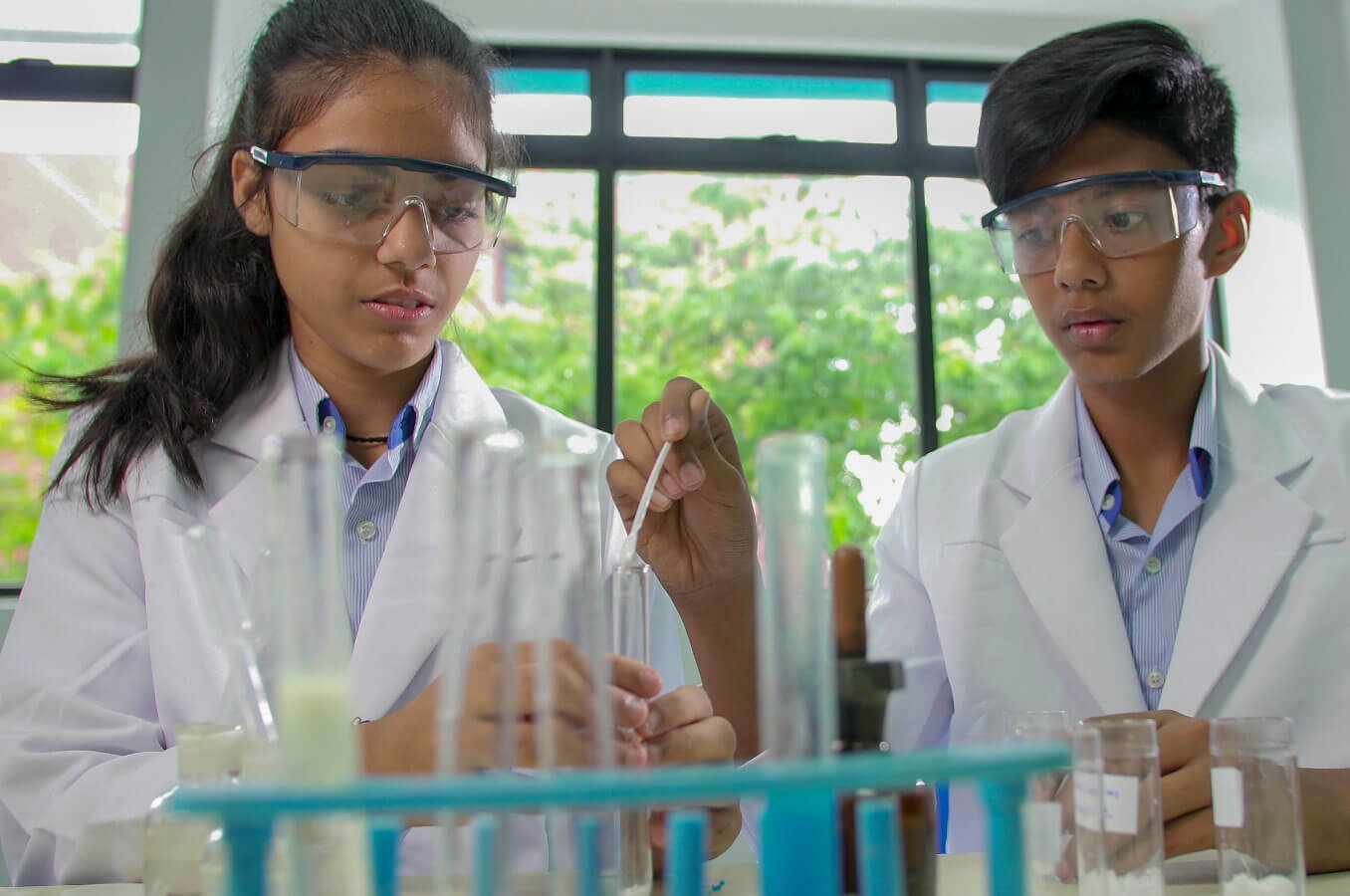







![Global Montessori Programme [GMP]](https://globalindianschool.org/ahmedabad/wp-content/uploads/2023/09/l1.png)