Why Creativity and Innovation Are Essential for Academic Success in 2026?
Marks used to be the only scoreboard that mattered in a classroom. That mindset is changing fast. Walk into a forward-thinking school today, and you will find students designing robots, pitching business ideas, and solving real community problems, right alongside their regular timetable. This matters because the world your child works in by 2030 will reward original thinking as much as subject knowledge. Here is why creativity and innovation have become central to academic success in 2026.
What Does Creativity in Education Really Look Like at School?
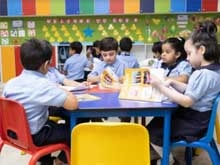
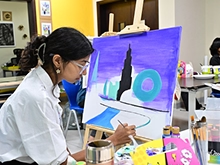
When people hear creativity in education, they often picture art class or the school play. In reality, it shows up everywhere: a student restructuring a maths problem three different ways, a Grade 6 class designing a poster campaign for water conservation, or a Kindergartner inventing a new game with blocks. It is less about talent and more about habit, and students who practise it tend to retain concepts more effectively and apply them with greater confidence in exams.
Why Does Innovation in Education Matter for Long-Term Academic Success?
If creativity is about generating ideas, innovation in education is about acting on them, giving students the tools and encouragement to turn a rough idea into a working model, a pitch, or a solution to a real problem.
This shift is backed by global data. The World Economic Forum’s Future of Jobs Report 2025 places creative thinking among the top five core skills employers look for today, close behind analytical thinking, resilience, and leadership.
Here is what innovation-led learning typically strengthens in a student:
- Problem-solving under real constraints rather than textbook scenarios alone
- Confidence to present and defend an original idea
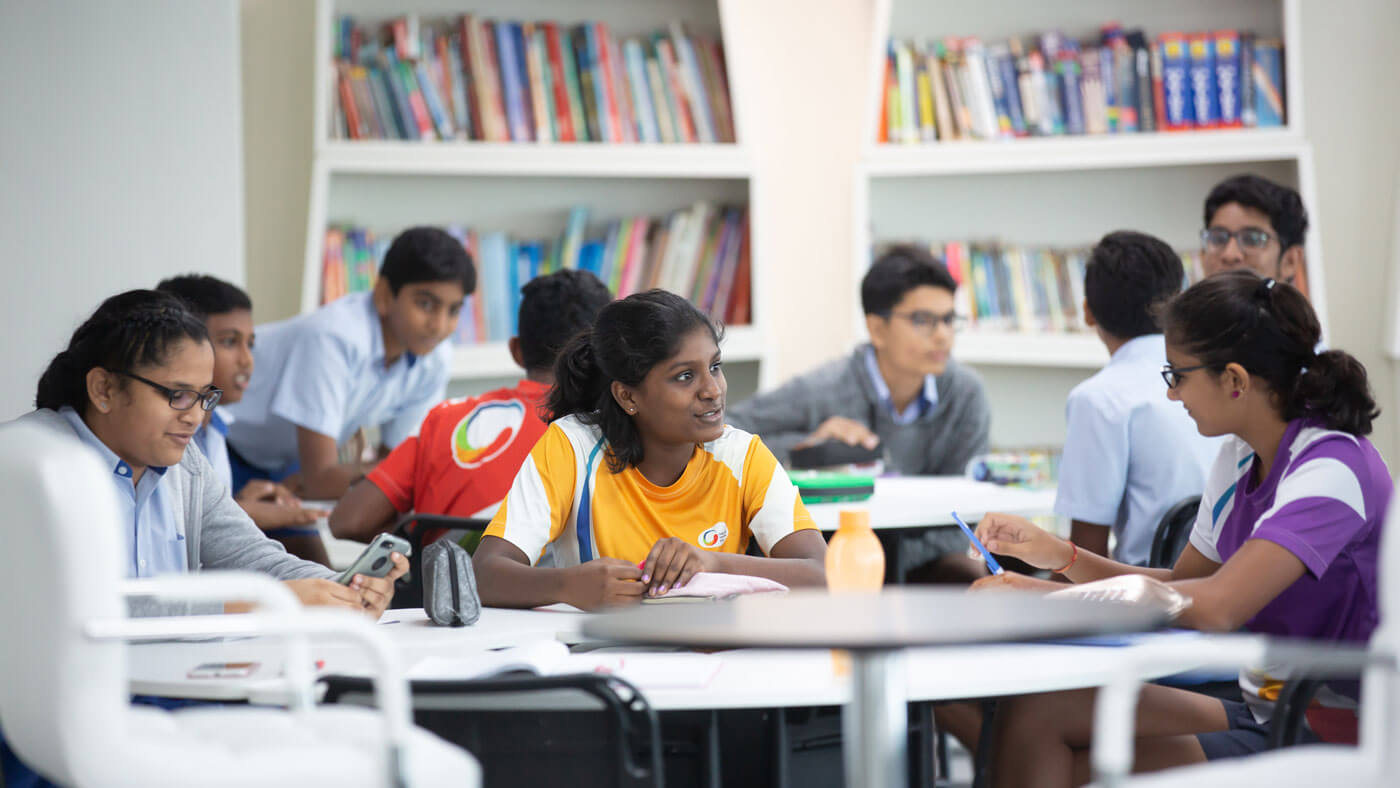
- Collaboration skills built through group projects and peer feedback
- Resilience, since prototypes rarely work on the first attempt
- Digital fluency, from coding to AI tools used in class projects
How Do Creativity and Innovation in Schools Compare with Traditional Rote Learning?
Parents often ask how this approach differs from the syllabus-driven learning most of us grew up with. This is where the gap between rote learning and creativity and innovation in schools becomes clear.
| Aspect | Traditional Rote Learning | Creativity and Innovation in Schools |
| Focus | Memorising facts and formulas | Applying concepts to new situations |
| Assessment | Written exams only | Exams plus projects, models and presentations |
| Student role | Passive recipient | Active builder and problem-solver |
| Response to failure | Discouraged | Treated as part of the learning process |
| Outcome | Short-term recall | Long-term understanding and adaptability |
Neither approach works alone. A structured CBSE curriculum still gives students the rigour they need, while creative projects give that knowledge somewhere to go.
Which Programmes Bring Creativity and Innovation to Life at GIIS Abu Dhabi?
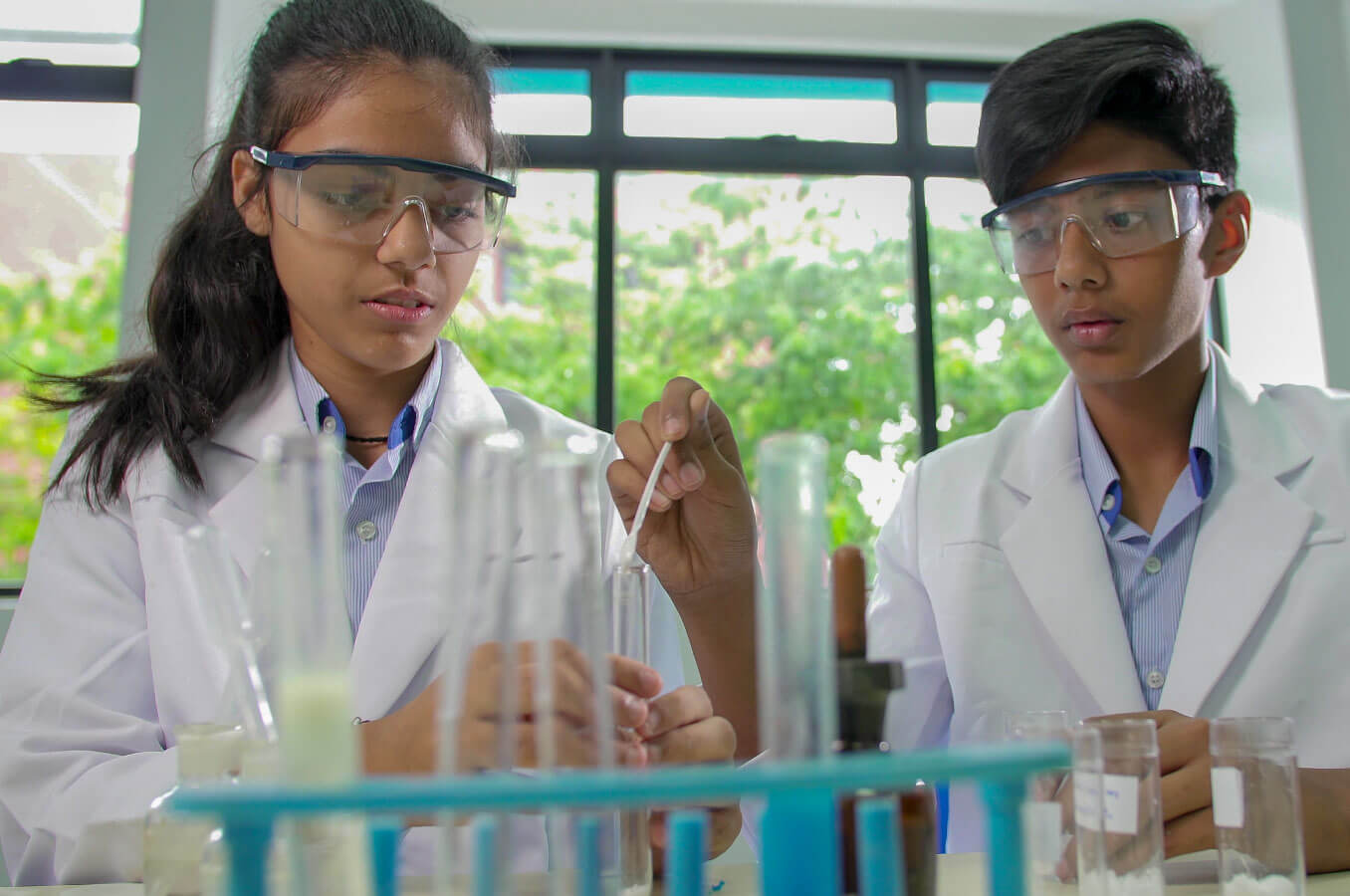
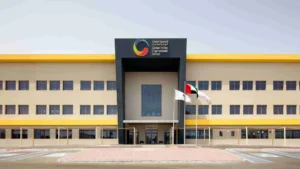
At GIIS Abu Dhabi, this is not left to chance. The school runs the Global Centre for Innovation and Entrepreneurship (GCIE), a dedicated department that takes students from Kindergarten through Grade 12 through experimentation across AI, robotics, media, and entrepreneurship.
Some of the programmes under GCIE include:
- Qutuhal, a curiosity-driven STEM journey, with Qutuhal Prime running as a 7-month in-house innovation competition and Q7 welcoming students from across the UAE
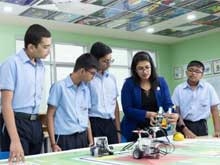
- AI and Robotics, where students build and program smart machines using MBots, BeeBots and Arduino
- WINGS, a platform encouraging girls in science, technology, engineering, arts and mathematics
- Space Troopers, a rocketry club exploring space science and astrophysics
- MASTER, where students design tech-driven solutions to real community problems
This culture starts early. Among international primary schools in the region, GIIS Abu Dhabi’s Bridge Programme stands out for preparing younger learners for independent, project-based learning as they move into middle school.
Where Does This Prepare Students for the Future?
Creative thinking is not an enrichment activity on the side, it is increasingly measured as an academic skill in its own right. In 2022, the OECD’s PISA assessment tested creative thinking for the first time across 64 countries and economies, evaluating nearly 700,000 15-year-olds on their ability to generate and refine original ideas.
For GIIS Abu Dhabi students, this is reinforced through the CBSE curriculum from Grade 1 to Grade 12, alongside the 9GEMS framework that weaves in entrepreneurship, innovation and leadership from the early years. Understanding CBSE board benefits alongside this innovation-first culture helps parents see strong academic foundations paired with the skills to apply them.
Who Should Care About a Creativity-First Curriculum?
This matters to more than parents evaluating a school. Students benefit through more engaging, memorable learning. Teachers gain frameworks that make lessons stick. Other schools can see what a structured, department-level approach to innovation looks like in practice.
For parents comparing options among the best schools in Abu Dhabi, the question worth asking goes beyond what a school teaches, to how it teaches it. A curriculum that treats creativity and problem-solving as core skills tends to produce students ready for both examinations and the world beyond them.
Choosing a school is choosing an environment where your child’s ideas get taken seriously. That is the foundation GIIS Abu Dhabi aims to build, one project at a time.
Frequently Asked Questions
1. How does GIIS Abu Dhabi build creativity into the CBSE curriculum?
Through the 9GEMS framework and GCIE programmes such as Qutuhal, AI and Robotics, and MASTER, alongside the CBSE syllabus from Grade 1 to Grade 12.
2. What age group can join the Global Centre for Innovation and Entrepreneurship?
GCIE programmes are designed for students from Kindergarten through Grade 12, with age-appropriate activities at every stage.
3. Why do employers value creative thinking as much as academic marks?
It helps students apply knowledge to unfamiliar problems, a skill the World Economic Forum’s Future of Jobs Report ranks among the top core skills employers seek today.
4. How can parents support creativity and innovation in schools at home?
Ask open-ended questions, encourage children to try more than one solution to a problem, and celebrate effort over a single correct answer.