How Global Exposure Helps Students Build International Career Readiness
Picture two students finishing Grade 12 with identical exam scores. One has spent seven years inside a familiar classroom. The other has debated with classmates from a dozen countries and questioned an industry expert face to face. The gap between them at a university interview or first job assessment has nothing to do with marks. It comes down to exposure.
Global exposure is no longer a bonus alongside a strong report card. It is fast becoming the difference between students who pass exams and students who are genuinely ready for a global career.
What Does Global Exposure Actually Look Like in a School Setting?
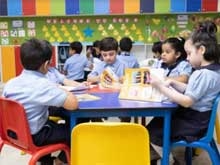
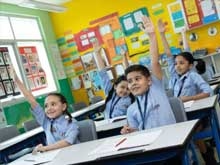
Global exposure is not a single trip abroad. It shows up as a pattern across everyday school life:
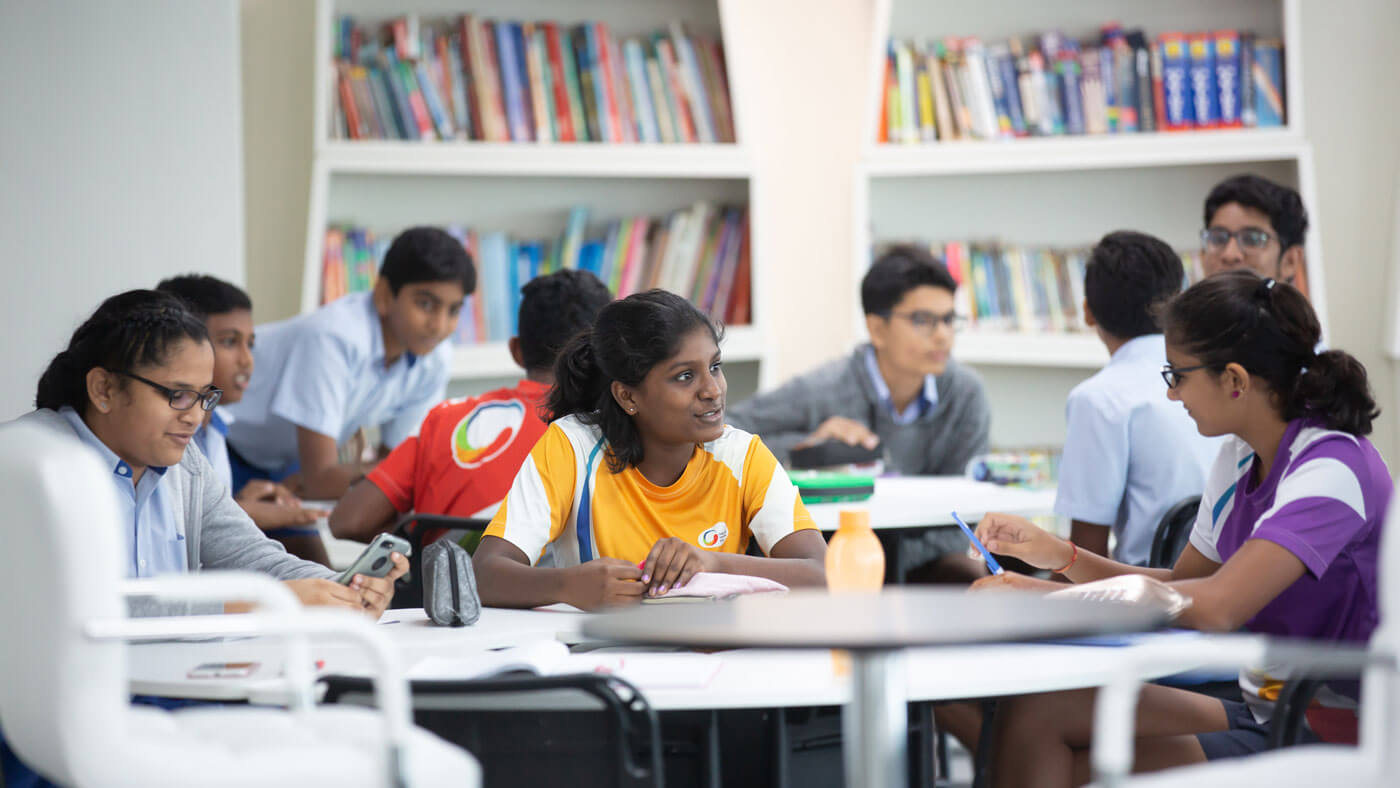
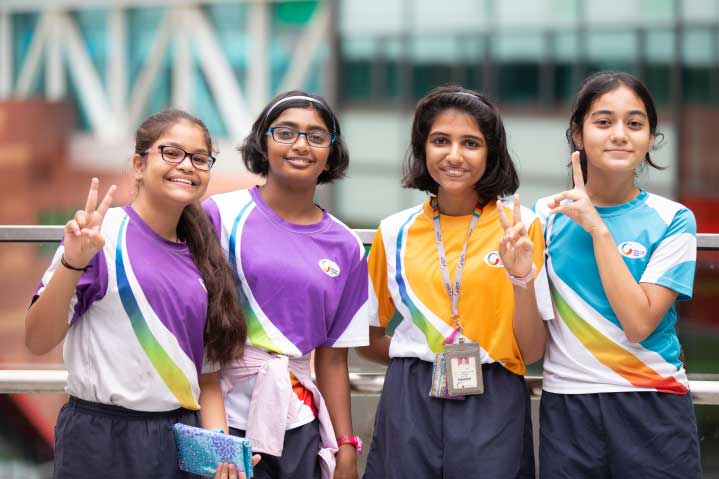
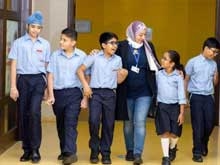
- Daily interaction with classmates from different nationalities and backgrounds
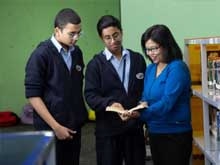
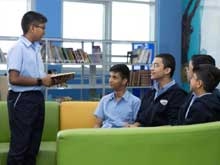
- Direct conversations with visiting industry experts through platforms like the Leadership Lecture Series
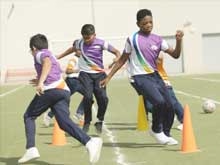
- Inter-school competitions that bring outside students onto campus
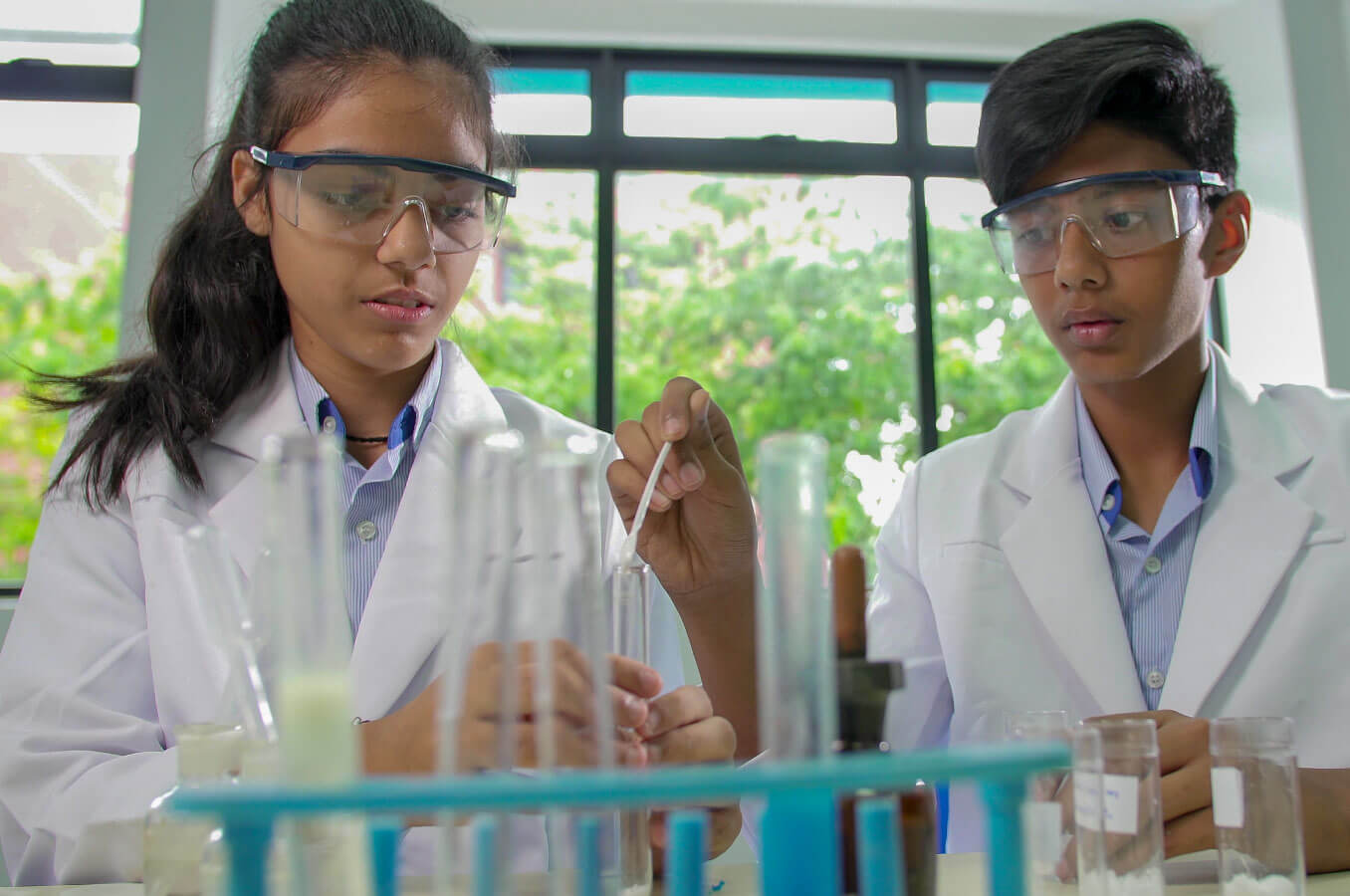
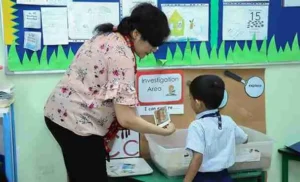
- Independent research and project work modelled on real-world problem solving
This kind of global learning experience teaches a student to read an unfamiliar room and stay curious rather than defensive when ideas clash.
Why is Career Readiness Changing Faster Than Ever for This Generation?
The job market today’s students will enter looks little like the one their parents navigated. The World Economic Forum’s Future of Jobs Report 2025 found that employers expect 39% of core workplace skills to change by 2030, well within the working life of a child in school right now.
Static knowledge cannot keep pace with that rate of change. What holds up is adaptability and comfort working with people who think differently. These are the qualities of future ready students, built through repeated exposure to different cultures, not memorisation.
How Does Global Exposure Compare With Classroom-Only Learning?
| Aspect | Classroom-Only Learning | Global Exposure Learning |
| Cross-cultural comfort | Limited to local peer group | Built through daily multicultural interaction |
| Communication style | One default style | Adapts naturally to different audiences |
| Problem-solving approach | Mostly textbook-based | Shaped by global case studies and expert input |
| Confidence in new settings | Develops slowly, often after graduation | Developed early, across school years |
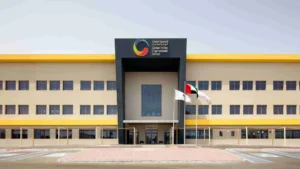
How Does GIIS Abu Dhabi Build This Into Daily School Life?
Structure matters more than good intentions. At GIIS Abu Dhabi, this shows up through:
- CBSE curriculum that treats global exposure as part of daily learning, not a once-a-year event
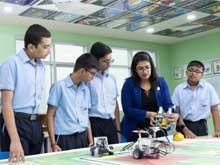
- The Global Centre for Innovation and Entrepreneurship, where students work hands-on with real-world problem solving
- Al Tasamuh, an inter-school festival that brings students from across the UAE onto campus for competitions in art, dance, singing and STEAM
- The University Connect Programme, where Career Fests bring over 100 universities onto campus each year for direct conversations with admissions teams
Which Skills Do Global Employers Actually Look For?
Research by the British Council into international experience found that people who had worked, studied or travelled abroad were roughly twice as likely to move into research, development or innovation-focused roles compared with those who had not. The same research linked international experience to stronger communication and confidence in unfamiliar situations.
This matters because global career opportunities rarely go to the candidate who is most qualified on paper. They go to the candidate who has already proven they can walk into an unfamiliar room and hold their own.
Where Can Parents See This Approach in Practice?
The clearest way to judge this is to watch a regular school day unfold, not just an open house. Parents comparing options among the best CBSE schools in Abu Dhabi should ask direct questions, such as how many nationalities sit in a typical classroom.
Most reputable schools show strong report cards. What differs is whether global exposure is built into daily life.
Who Benefits Most From Starting This Early?
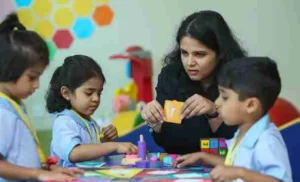
Global exposure compounds over time. A student who begins engaging with different cultures in Middle School reaches Grade 12 with genuine confidence rather than last-minute polish. Younger students at GIIS Abu Dhabi already build this through inter-house events and a multicultural campus, well before formal university guidance begins.
Ready to See This in Practice at GIIS Abu Dhabi?
With admission open in Abu Dhabi schools for the upcoming academic year, families have a practical window to enrol early. Visit the GIIS Abu Dhabi admissions page to see how global exposure is built into everyday learning, from Kindergarten through to Grade 12.
Frequently Asked Questions
1. What is Global Exposure in a School Setting?
A student’s regular contact with different cultures and professionals, through a diverse classroom and structured guidance, rather than a single trip or activity.
2. How Does GIIS Abu Dhabi Provide Global Exposure to Students?
Through a multicultural campus, the Leadership Lecture Series, Al Tasamuh, and Career Fests bring over 100 universities to campus each year.
3. Why Does International Career Readiness Matter for CBSE Students?
Employers now assess adaptability and cross-cultural comfort alongside academics. A strong CBSE foundation combined with genuine global exposure prepares students for both.
4. When Should a Child Start Building Global Exposure Skills?
The earlier, the better. These skills develop gradually, so starting from Middle School gives students a meaningful head start.