Global
All Cities
Where would you like to study? Select cities to refine your search.
Any Curriculum
Find a campus based on the curriculum offered.
Global
Global
All Cities
Where would you like to study? Select cities to refine your search.
Any Curriculum
Find a campus based on the curriculum offered.
Search

IBDP subject choices: How to select the best combinations

IBDP Curriculum

The International Baccalaureate Diploma Programme (IBDP) is a popular pre-university curriculum that spans over two years, and is well known for its exceptional college preparation. The programme demands extensive research, collaboration, critical thinking and problem solving skills, closely resembling the university experience in many ways.

Students pursuing the IB diploma must select a course from six distinct categories. This selection process, if not thought through well in advance, can impact a student’s trajectory toward a future university education, and subsequently, their career path.

Choosing IBDP subjects: Find your combination

The IBDP encourages a balanced education by requiring students to choose subjects from various disciplines, including languages, sciences, humanities, and the arts. This helps develop a well-rounded skill set and a broader understanding of the world.

1. Assess your preferred subject

Every student likes a subject that captivates their interest, the one they find most enjoyable to study. Recognising this particular subject can significantly aid in your IB subject selection process. For instance, if you’re drawn to the realm of Economics, considering it as one of your Higher Level (HL) choices would be beneficial. Furthermore, you could also opt for Business Management HL to complement and enhance your interest.

Your favoured subject should align with the one you’d choose for your Extended Essay (EE). Composing your Extended Essay in this subject has dual advantages. Not only will it enable you to delve deep into research within the scope of your preferred IB subject, but it also allows you to specialise further in that subject for your future university studies.

2. Exploring unfamiliar subjects

Take the initiative to gather more information about unfamiliar subjects. You can accomplish this by engaging in conversations with the subject teacher, the curriculum coordinator, or university guidance counsellor. Additionally, you can research the curriculum particulars available on the IB’s official website.

3. Understand the distinction between HL and SL

Standard Level (SL) and Higher Level (HL) subjects vary in content depth but they are assessed using identical grade descriptors. HL courses require students to exhibit a more extensive grasp of knowledge, comprehension, and skills.  If you excel in a particular subject area, you might consider taking it at a higher level to challenge yourself and potentially earn college credit.

Moreover, each student undertakes a minimum of three (but no more than four) subjects at the higher level, with the remaining at the standard level. Recognising this distinction can be instrumental in determining which subjects are best suited for HL and which ones might be better at SL.

4.. Select subjects based on future academic goals

Different courses/degree programmes at universities require 1-2 compulsory subjects. You can check out the university courses and curriculum that you are interested in, and select your subjects accordingly.

For example, for students aspiring to pursue Economics at international universities, opting for Higher Level Mathematics is crucial. Prospective engineering students should focus on Mathematics HL and Physics HL, while those aiming for a medical career should prioritise HL Chemistry and Biology.

While some subjects may seem appealing now, your interests might change over the two-year course of the program. Selecting a mix of subjects provides flexibility to adapt to your evolving preferences and goals.

Even if your desired field of study at university remains uncertain, making informed selections of appropriate subjects in alignment with your prospective courses safeguards against restricting your future possibilities.

5. Minimise the impact of irrelevant factors

Occasionally, students opt for IB subjects solely because their friends or siblings have chosen them. Moreover, there’s a tendency to avoid certain subjects due to pre-conceived notions about their complexity or perceived difficulty in scoring well. It’s recommended not to be swayed by these influences without conducting thorough research to ascertain the facts.

Also read: Unveiling success: GIIS IBDP alumni share their thoughts on holistic education

IBDP at GIIS

Why choosing the right subject matters

Choosing the right subjects in the International Baccalaureate Diploma is crucial for several reasons:

Interest and passion: Selecting subjects in which you are genuinely interested in and are passionate about can make your learning experience more enjoyable and rewarding. When you’re engaged with the subject, you’re more likely to excel academically and explore topics in depth.

Time and workload: Different subjects come with varying levels of complexity and workload. Consider your time management skills and your ability to handle the demands of certain subjects, especially at the Higher Level (HL), which often requires more time and effort.

Minimise stress: Selecting subjects that align with your strengths and interests can reduce stress and anxiety related to your academic workload. It’s important to maintain a healthy balance between your academic pursuits and other aspects of life.

Holistic development: The IBDP aims to develop not only academic skills but also qualities like critical thinking, research skills, communication, and independence. Choosing a combination of subjects can contribute to your overall growth.

Cultural and linguistic exposure: The IBDP promotes intercultural understanding and multilingualism. By choosing subjects like languages, you can gain exposure to different cultures and languages, enhancing your global perspective.

The skills and knowledge gained from your chosen subjects can have long-term benefits in various aspects of life, from continued education to personal interests and career opportunities.

In summary, choosing the right subjects in the IBDP is important because it can shape your educational journey, influence your career options, and contribute to your personal growth and development. It’s essential to make thoughtful and well-informed decisions based on your interests, strengths, and aspirations.

The GIIS Singapore 2023 cohort has achieved remarkable results in the recently announced International Baccalaureate Diploma Programme (IBDP) scores. The school average of 35.9 points surpasses both the global average DP score of 30.24 points and Singapore’s average score of 35.05 points.

GIIS Singapore has produced over 100 World Toppers and Near Perfect scorers to date. These results are a testament to the unwavering commitment, resilience, and passion demonstrated by our student and teacher communities.

If you are keen to know more about IBDP at GIIS, please feel free to contact our admissions counsellors.

Deepa Chandrasekaran

Ms. Deepa Chandrasekaran is a highly-qualified and experienced teacher at GIIS Singapore since 2007. With more than 10 years of experience as the IBDP coordinator at GIIS, Ms. Deepa is well-versed with the IB Diploma curriculum, subject-selection counselling, examinations, teacher orientation and training. She teaches Higher Level and Standard Level Economics in the DP, and is passionate about creating a stimulating learning environment for DP students.
Featured Blogs

GIIS

Extra-Curricular Activities (ECA) at GIIS Singapore: Sports, Arts & Clubs Guide

A child’s growth extends far beyond academics. At Global Indian International School (GIIS) Singapore, Extra-Curricular Activities (ECAs) and Co-Curricular Activities (CCAs) are thoughtfully designed to nurture leadership, creativity, teamwork, confidence, and physical wellbeing alongside academic excellence.

IB Curriculum

IB Schools in Singapore: Top Schools, Fees & How to Choose (2026)

Choosing the right IB school in Singapore is one of the most important decisions for families seeking an internationally recognised education. With Singapore being home to some of Asia’s leading International Baccalaureate (IB) schools, parents today have access to a wide range of institutions offering strong academics, global exposure, and holistic learning environments.

Singapore Education System

PSLE vs International School Singapore: Which Path is Right for Your Child?

Every parent wants to choose the educational pathway that will best support their child’s confidence, happiness, academic growth, and future opportunities.

CBSE

Secondary School Fees in Singapore: CBSE, IGCSE & IB Compared (2026-27)

Choosing the right secondary school in Singapore involves balancing academic quality, curriculum options, future opportunities, and affordability. With multiple international curricula available, including CBSE, IGCSE, and IB, parents often compare tuition fees alongside campus facilities, learning approaches, and long-term value.

Top Scholarships

Dr APJ Abdul Kalam Global Skills Scholarship

Eligibility:

Talent Based - Technology

More from same author
Trending Blogs

GIIS

Extra-Curricular Activities (ECA) at GIIS Singapore: Sports, Arts & Clubs Guide

A child’s growth extends far beyond academics. At Global Indian International School (GIIS) Singapore, Extra-Curricular Activities (ECAs) and Co-Curricular Activities (CCAs) are thoughtfully designed to nurture leadership, creativity, teamwork, confidence, and physical wellbeing alongside academic excellence.

IB Curriculum

IB Schools in Singapore: Top Schools, Fees & How to Choose (2026)

Choosing the right IB school in Singapore is one of the most important decisions for families seeking an internationally recognised education. With Singapore being home to some of Asia’s leading International Baccalaureate (IB) schools, parents today have access to a wide range of institutions offering strong academics, global exposure, and holistic learning environments.

Singapore Education System

PSLE vs International School Singapore: Which Path is Right for Your Child?

Every parent wants to choose the educational pathway that will best support their child’s confidence, happiness, academic growth, and future opportunities.

CBSE

Secondary School Fees in Singapore: CBSE, IGCSE & IB Compared (2026-27)

Choosing the right secondary school in Singapore involves balancing academic quality, curriculum options, future opportunities, and affordability. With multiple international curricula available, including CBSE, IGCSE, and IB, parents often compare tuition fees alongside campus facilities, learning approaches, and long-term value.

IB Curriculum

What is the IB Curriculum? A Parent’s Simple Guide to PYP, MYP & Diploma (2026)

Choosing the right curriculum is one of the biggest decisions parents make for their child’s future. With more families in Singapore exploring international education pathways, the International Baccalaureate (IB) curriculum has become one of the most respected and future-focused learning frameworks globally.

CBSE

What is CBSE? A Complete Guide for Parents in Singapore

For Indian families relocating to Singapore, choosing the right curriculum is one of the most important educational decisions. Many parents prefer the CBSE curriculum because it offers academic continuity, strong conceptual learning, and preparation for competitive examinations such as JEE and NEET.

Admission Tips

How to Apply to an International School in Singapore: Step-by-Step Guide (2026)

Navigating the landscape of international education in the Lion City requires careful planning. Whether you are looking for how to apply for international school in Singapore or managing your budget around international school fees in Singapore, this guide provides a clear, validated roadmap for your family’s transition.

CBSE

CBSE vs IGCSE vs IB: Which Curriculum is Right for Your Child in Singapore?

Choosing the best curriculum in Singapore is not about finding the “single best” board; it is about finding the right fit for your child’s learning style and your family’s long-term plans. Whether you are considering CBSE vs IGCSE in Singapore schools or looking ahead to the IB Diploma, each pathway offers distinct advantages for different types of learners.

IB Program

IB Diploma in Singapore: Schools, Fees, Subjects & University Results (2026-27)

Singapore remains the global powerhouse for the International Baccalaureate (IB) Diploma Programme (DP). As we move into the 2026-2027 academic year, the landscape is evolving with new curriculum updates in the sciences and history, alongside a shift toward digital assessments.

Search
History Menu Icon

Our vision is to become a global role model for teaching and learning.

History Menu Icon Secondary

Since its inception in 2002, GIIS has spread quality education through 17 campuses across the globe.

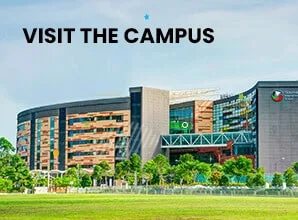
Global Indian International School Singapore smart campus learning environment

SMART Campus

A green, tech-enabled campus with extensive sports facilities that enables a holistic education

  • Kindergarten Menu Image

    Montessori education with a modern touch.

  • Primary School Menu Image

    International primary programmes with best holistic learning.

  • Secondary School Menu Image

    International middle school programmes with best foundation for high school.

  • High School Menu Image

    International high school programmes with beat launchpads for university.

21st Century Learning Campus

Facilities which are collaborative, creative and adaptable to individual needs.

Holistic Education Menu

Award-winning framework for all-round student development

CCA Menu Image

Extra-curricular activities are those activities, often sports-based, that take place outside of the GIIS classroom

ECA Menu Image

Talent shows, performances, competitions, clubs and additional classroom work.

Admission Process Icon

Get an overview of the admissions process

Campus Tour Icon

Register for a tour of the campus to learn more about the school first hand

Book Meeting Icon

You can talk to our Admissions Counsellor online or in-person, as per your convenience.

Admissions Form Icon

Find all forms related to admissions procedure here

Fees Icon

Get information on our fee structure for different grades

Scholarship Icon

Thank you for considering GIIS as a prospective school for your child. Our goal is to make the admissions.