Sadako Ogata Scholarship Applications Now Open!
Open to students of all grades, this scholarship supports deserving learners through academic merit and financial need.
Apply Now!

Global
All Cities
Where would you like to study? Select cities to refine your search.
Any Curriculum
Find a campus based on the curriculum offered.
Global
Global
All Cities
Where would you like to study? Select cities to refine your search.
Any Curriculum
Find a campus based on the curriculum offered.
Search

How do high schools in Japan contribute to quality placements!

University Placements

High school is one of the most critical times in a student’s life. It is when they identify what skills they are good at and then select their desired career. However, many schools fall short of giving appropriate advice to students when it comes to choosing where to pursue further education. Without proper counselling and guidance, many students find themselves lost in an ever-changing world of new education modules and employment options.

The situation is very different in Japan. Students here receive the appropriate guidance for placements and acquisition of skills. With over 16,000 schools to choose from, parents have an unlimited choice of where their child can receive the best education. Attending high school in Japan opens up many opportunities to get placement in some of the world’s top universities. These, in turn, will result in better quality education and a sure way of securing future employment.

Here are some ways high schools in Japan contribute to students getting quality placements:

Also Read: Best International School in Tokyo, Japan

1. Students receive quality knowledge of soft skills and employability skills

Aside from the theory that they receive from the classroom, there is more emphasis on soft skills. Improving emotional intelligence means that the student gets a holistic education that will determine their success later in life. A combination of soft skills and job-specific skills is essential in making the right career choice as per their competencies. It leads to better job placements and academic excellence overall.

2. Getting ready for workplace environments

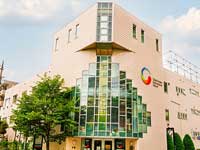
A high school like GIIS Tokyo can help students better understand how the work environment functions at an early stage. It provides an avenue for quicker personal maturity and allows them to mingle with different individuals, making them better work colleagues for the future. As is evident with current trends, the nature of work is shifting from individual-based tasks to collaborative environments. It is only through quality education that students get to learn about the emerging methods of working.

3. It highly increases the chances of future employment

Students who attend placements while on campus stand a better chance of gaining permanent employment with employers. They have early exposure to a company’s functions, which leads to a trust factor with the prospective employer after graduation. A high school in Japan that offers quality placements helps build the student’s credibility as an employee. They can gain useful skills that are essential in guaranteeing future job opportunities. Getting into the job market earlier puts a student at an advantage against their peers, given that they will have far more experience once they graduate.

4. Contributing to the financial well-being

International high schools in Japan offer paid graduate trainee programmes, full scholarships, or placements at centres of excellence. Attending such programmes also allows for more advanced training in the skills necessary for a job. The financial assistance that a student receives helps their parents allocate more resources to other life needs, ensuring their financial health in the future.

5. Better academic performance

Students trying to build a career perform better academically in their studies.  At GIIS Tokyo, the 9GEMS teaching methodology is followed to ensure that apart from academic excellence, children are developing holistically. With better grades and emotional stability, children are likely to get a placement in the company of their dreams.
6. Gateway to quality career prospects

The first job a high school student will have will most likely be a part-time one. Students get a chance to explore opportunities while learning to maintain their finances. With the world increasingly switching to remote work, more career options are now available for students to pursue while still receiving their education. Other opportunities that students can explore include freelancing, consultancy-based work, or professional development workshops. These are a sure way of encouraging entrepreneurship should permanent employment not be an option.

7. Increased student retention

The environment of international high schools in Japan enables students to feel more empowered and balanced in their environment, leading to better retention rates.

8. Immense networking opportunities

International schools provide excellent opportunities for students to mingle and build lifelong connections. Moreover, working with multiple organizations allows the school to provide a wider variety of educational programmes that break the monotony of theoretical-based learning. It also allows students to connect with thought leaders they would otherwise never have met in their respective industries.

9. Short-term employment opportunities

Students can get a taste of corporate life by engaging in an internship or short-term employment programmes. It is beneficial for the companies as well, as students come in with new skill sets and ideas. Encouraging students to come in for short-term placements can increase a company’s fortunes in the marketplace. Allowing the students to put their theoretical knowledge into practice can lead to more opportunities to grow the business.

Moreover, through placements, employers can increase the number of prospects for their talent pool. Every organization will experience some employee turnover throughout its existence. Supplementing that with student internships means that there are always ready and more qualified prospective employees that they can assess for future opportunities. Students also offer an immediate supply of short-term talent for project-specific tasks meaning the company can immediately execute on what is required.

Also Read: Ensure Bright Future of Your Kid with GIIS

Many benefits accrue from quality placement programmes for all the parties involved. An institution can provide holistic education programmes to their students, which increases the level of engagement and attractiveness of the institution. Employment opportunities are also becoming increasingly competitive. Students can gain the necessary skills to help them develop into the next successful entrepreneurs. Tying up with universities with well-established placement programmes also increases the reach that a school has, leading to better student recruitment rates. The diversity that placements bring allows institutions to offer a wide range of beneficial programmes to the margins of the school.

Students get better networking opportunities with industry big-wigs and increase their prospects for future employment. Adding a practical aspect to the theory taught in class breaks monotony, and students enjoy better school life in the institution. Through placements, students better understand their prospective career choices and work toward realizing their dream jobs. Finally, placement programmes also increase students’ performance overall, raising the school’s ranking as a top destination for learning.
Master Admin

Table of Contents

Enquire Now
Featured Blogs

モンテッソーリ教育とは?考え方やメリット・デメリットをわかりやすく解説

「モンテッソーリ教育」という言葉を聞いたことはあるものの、実際にどのような教育法なのかよく分からないという方も多いのではないでしょうか。 モンテッソーリ教育は、子どもが本来備えている「自ら成長しようとする力」を最大限に引き出す教育法です。世界中でその価値が認められており、日本国内でも幼稚園や保育園、インターナショナルスクールなどで広く採用されています。 ただ、実際に何を学ぶのか、一般的な教育環境と何が違うのか、そして我が子に適しているのか、といった疑問を抱く保護者の皆様も少なくありません。 本記事では、教育の専門家としての視点から、モンテッソーリ教育の考え方と特徴を解説します。お子さまの未来を拓く教育選びのヒントとしてご活用ください。 モンテッソーリ教育とは? モンテッソーリ教育とは、イタリア人医師・教育者のマリア・モンテッソーリ博士が提唱した教育法です。1907年に開設した「子どもの家」での実践や観察を通じて発展し、現在では世界各国で取り入れられています。 この教育法の根幹にあるのは、「子どもには自発的に成長する力が備わっている」という信頼です。子どもは自ら学び、自分自身を作り上げていく存在であり、大人はその歩みを阻害することなく、適切な環境を整えて支援する役割を担います。 そのため、子どもの興味や発達段階に応じた「教具」を用意し、自発的な活動を促すのが大きな特徴です。「やってみたい」という内発的な動機を尊重することで、生涯の土台となる自立心や深い集中力が育まれていきます。 考案者マリア・モンテッソーリとは? 創設者のマリア・モンテッソーリは、イタリア初の女性医師としても知られています。彼女は医学的・科学的な観察を通じて、「適切な環境さえあれば、子どもは誰かに強要されなくても自ら学び始める」という本質を見出しました。 大人が一方的に知識を詰め込む従来の教育とは異なり、モンテッソーリは、自由な選択が許される環境においてこそ、子どもが真の能力を発揮し、驚くべき成長を見せることを証明したのです。 こうした実践から生まれた教育法は現在、世界100以上の国と地域に広がり、「個を尊重する教育」の揺るぎない指標となっています。 モンテッソーリ教育の基本的な原理・考え方 モンテッソーリ教育が目指すのは、知識の受動的な習得ではなく、自らの意志で探究し続ける姿勢の育成です。ここでは、その教育哲学を支える3つの柱について解説します。 自己教育力 子どもは生まれながらにして、自らを教育する「自己教育力」を持っています。大人が無理に教え導かなくても、自発的に環境と関わり、必要な能力を獲得していく存在なのです。 幼い子が同じ動作を飽きることなく繰り返したり、「自分で!」と強く主張したりするのは、まさにこの力が働いている証拠です。興味のある対象に没頭し、試行錯誤を繰り返すプロセスこそが、確かな思考力と主体性を育みます。 そのため大人の役割は、先回りして手助けをすることではなく、子どもが自力で挑戦し、成功体験を積めるような環境を丹念に整えることであると考えられています。 敏感期 「敏感期」とは、特定の能力を習得するために、ある物事に対して並外れた感受性を発揮する期間限定の時期を指します。特に0歳から6歳の間は、この敏感期が波のように次々と訪れ、驚異的な集中力を発揮します。 子どもの成長段階に応じて現れる主な敏感期は、以下の通りです。 敏感期の種類 特徴 言語の敏感期 言葉を聞き取って話す力や、読み書きを習得する力が伸びる 秩序の敏感期 物の置き場所や生活のルールなどに、一定の秩序を求める 感覚の敏感期 見る・聞く・触るといった五感を通じて、物事の違いを敏感に感じ取る 運動の敏感期 歩く、走る、手先を使うなど、体の動きを身につける 数の敏感期 数や量、順序といった概念に興味を持ち始める 文化の敏感期 自然や地理、生き物など、身の回りの世界への関心が高まる 大人は子どもを深く観察し、今どの敏感期にあるのかを察知することが求められます。その時期にふさわしい活動や教具をタイムリーに提供することこそが、教育の質を左右する重要な鍵となります。 「環境」が教師 モンテッソーリ教育において、「環境」そのものが「教師」としての役割を果たします。教育者が口頭で教え諭すのではなく、子どもが自ずと学びたくなるような物的・人的環境を用意することが最優先とされるのです。 例えば、子どものサイズに合わせた棚に、美しく整えられた教具を並べる、自分で片付けられる仕組みを作る。これだけで子どもの主体性は大きく変わります。発達に合致した環境があれば、子どもは自力で学びを深めていけるのです。 この環境下において、大人は指導者ではなく「援助者」であることに徹します。子どもの活動を温かく見守り、どうしても必要な時にだけ最小限の助言を行うことで、子どもの自発的な学びの芽を大切に守り育てます。 こうした環境の力が、将来の難題にも立ち向かえる真の問題解決能力や、確固たる自信を育んでいくのです。 モンテッソーリ教育の5つの分野 子どもの発達を包括的に支えるため、モンテッソーリ教育は5つの体系的な分野に分かれています。日々の活動は「おしごと」と呼ばれ、これらを通じて社会を生き抜く知性と精神を磨いていきます。 ここでは、専門的に整理された教育の5本柱について見ていきましょう。 日常生活の練習 日常生活の練習は、着替え、掃除、食事の準備といった、自立した生活に必要な動作を習得する活動のことです。「自分のことは自分でする」という精神的な自立への第一歩となります。 例えばボタンの開閉や水の運搬、テーブル拭きなど、一見単純な動作に見えますが、これらは精緻な運動能力と同時に、一つの作業を完結させる強い意志と集中力を養います。 日常の身近な営みこそが、子どもにとって社会参加への誇りと自信を育む、最も重要な学びの場となるのです。 感覚教育 五感(視覚、聴覚、触覚、味覚、嗅覚)を研ぎ澄まし、物事の差異や共通点を認識する力を養います。幼児期は感覚器官の洗練期であり、この時期の豊かな感覚体験が知性の基盤となるのです。 色板や音感ベルといった独自の教具を用い、抽象的な概念(明るい、長い、重い、高いなど)を具体的な体験として捉え直します。ここでの感覚的な気づきが、後の論理的な思考や芸術的感性へと繋がっていきます。 自らの手で触れ、感じる経験を通して揺るぎない知の土台を形成するのが、感覚教育の特徴です。 言語教育 話す、聞くといったコミュニケーション能力の基本から、読み書きに至るまで、言葉への関心を自然な形で深めていきます。言語の敏感期を最大限に活かした環境作りが特徴です。 例えば砂文字板で文字の形に触れたり、絵カードで語彙を増やしたりするうちに、遊びの延長で無理なく言語の世界が広がります。単なる記号を記憶するのではなく、自分の考えを言語化していくことで、他者と分かち合う喜びも実感できるようになります。 […]

Why Academic English Matters More Than Conversational English in International Education

Article Summary Conversational English helps students communicate socially, but academic English enables them to understand lessons, write effectively and succeed across subjects. In international education, students need subject-specific vocabulary, critical thinking language and structured writing skills to perform well. GIIS Tokyo’s ELPP and AEPP provide an additional English support programme that helps non-native English speakers […]

What Makes Montessori Education Different in a Technology-Driven World

Article Summary Montessori education nurtures independence, creativity and curiosity through hands-on, child-led learning experiences. Modern Montessori programmes such as GIIS Kuala Lumpur’s Global Montessori Plus (GMP) curriculum combine traditional Montessori principles with age-appropriate technology integration. In a rapidly changing digital world, Montessori learners develop critical thinking, adaptability and lifelong learning skills that prepare them for […]

The Rise of Affordable International Education in Tokyo: What Parents Should Really Compare

Article Summary Rising living costs and increasing tuition fees are prompting families to look beyond price alone when comparing international schools in Tokyo. Parents should evaluate educational value through curriculum options, academic outcomes, university pathways, student wellbeing and long-term continuity. Affordable international education does not mean compromising on quality; GIIS Tokyo demonstrates how accessible fee […]

Top Scholarships
More from same author
Trending Blogs

モンテッソーリ教育とは?考え方やメリット・デメリットをわかりやすく解説

「モンテッソーリ教育」という言葉を聞いたことはあるものの、実際にどのような教育法なのかよく分からないという方も多いのではないでしょうか。 モンテッソーリ教育は、子どもが本来備えている「自ら成長しようとする力」を最大限に引き出す教育法です。世界中でその価値が認められており、日本国内でも幼稚園や保育園、インターナショナルスクールなどで広く採用されています。 ただ、実際に何を学ぶのか、一般的な教育環境と何が違うのか、そして我が子に適しているのか、といった疑問を抱く保護者の皆様も少なくありません。 本記事では、教育の専門家としての視点から、モンテッソーリ教育の考え方と特徴を解説します。お子さまの未来を拓く教育選びのヒントとしてご活用ください。 モンテッソーリ教育とは? モンテッソーリ教育とは、イタリア人医師・教育者のマリア・モンテッソーリ博士が提唱した教育法です。1907年に開設した「子どもの家」での実践や観察を通じて発展し、現在では世界各国で取り入れられています。 この教育法の根幹にあるのは、「子どもには自発的に成長する力が備わっている」という信頼です。子どもは自ら学び、自分自身を作り上げていく存在であり、大人はその歩みを阻害することなく、適切な環境を整えて支援する役割を担います。 そのため、子どもの興味や発達段階に応じた「教具」を用意し、自発的な活動を促すのが大きな特徴です。「やってみたい」という内発的な動機を尊重することで、生涯の土台となる自立心や深い集中力が育まれていきます。 考案者マリア・モンテッソーリとは? 創設者のマリア・モンテッソーリは、イタリア初の女性医師としても知られています。彼女は医学的・科学的な観察を通じて、「適切な環境さえあれば、子どもは誰かに強要されなくても自ら学び始める」という本質を見出しました。 大人が一方的に知識を詰め込む従来の教育とは異なり、モンテッソーリは、自由な選択が許される環境においてこそ、子どもが真の能力を発揮し、驚くべき成長を見せることを証明したのです。 こうした実践から生まれた教育法は現在、世界100以上の国と地域に広がり、「個を尊重する教育」の揺るぎない指標となっています。 モンテッソーリ教育の基本的な原理・考え方 モンテッソーリ教育が目指すのは、知識の受動的な習得ではなく、自らの意志で探究し続ける姿勢の育成です。ここでは、その教育哲学を支える3つの柱について解説します。 自己教育力 子どもは生まれながらにして、自らを教育する「自己教育力」を持っています。大人が無理に教え導かなくても、自発的に環境と関わり、必要な能力を獲得していく存在なのです。 幼い子が同じ動作を飽きることなく繰り返したり、「自分で!」と強く主張したりするのは、まさにこの力が働いている証拠です。興味のある対象に没頭し、試行錯誤を繰り返すプロセスこそが、確かな思考力と主体性を育みます。 そのため大人の役割は、先回りして手助けをすることではなく、子どもが自力で挑戦し、成功体験を積めるような環境を丹念に整えることであると考えられています。 敏感期 「敏感期」とは、特定の能力を習得するために、ある物事に対して並外れた感受性を発揮する期間限定の時期を指します。特に0歳から6歳の間は、この敏感期が波のように次々と訪れ、驚異的な集中力を発揮します。 子どもの成長段階に応じて現れる主な敏感期は、以下の通りです。 敏感期の種類 特徴 言語の敏感期 言葉を聞き取って話す力や、読み書きを習得する力が伸びる

Why Academic English Matters More Than Conversational English in International Education

Article Summary Conversational English helps students communicate socially, but academic English enables them to understand lessons, write effectively and succeed across subjects. In international education,

What Makes Montessori Education Different in a Technology-Driven World

Article Summary Montessori education nurtures independence, creativity and curiosity through hands-on, child-led learning experiences. Modern Montessori programmes such as GIIS Kuala Lumpur’s Global Montessori Plus

The Rise of Affordable International Education in Tokyo: What Parents Should Really Compare

Article Summary Rising living costs and increasing tuition fees are prompting families to look beyond price alone when comparing international schools in Tokyo. Parents should

Supporting Multilingual Children The Role of English Language Programmes in Global Classrooms

3 Key Takeaways Multilingual learners thrive when language support is integrated into academics, helping them build confidence in speaking, reading, writing and comprehension while keeping

How International Schools in Tokyo Are Preparing Students for AI-Era Careers

Article Summary As artificial intelligence transforms industries and career pathways, international schools are increasingly focusing on future-ready skills that go beyond traditional academic achievement. Key

Search

Vision, Mission & Core Values

Our vision is to become a global role model for teaching and learning.

History & Milestones

Since its inception in 2002, GIIS has continued to spread quality education over 10 countries in the continent.

Nishikasai Campus

We are located in a community which has a vibrant presence of both Indian and local populace

Higashikasai Campus

Spacious and green, this campus in the heart of Edogawa-ku is a state-of-the-art international school in japan

Seishincho Campus

Our newly established international preschool Campus is residing quietly along the Arakawa River side in Seishincho.

Kita Kasai Campus

The newest addition to the GIIS Tokyo mantle is located in the Kita Kasai region in Edogawa, Tokyo

Holistic Education Framework

Award-winning framework for all-round student development

Extra Curricular Activities

Extra-curricular activities are those activities, often sports-based, that take place outside of the GIIS classroom

Co Curricular Activities

Talent shows, performances, competitions, clubs and additional classroom work.

Admission Process

Get an overview of the admissions process

Book Campus Tour

Register for a tour of the campus to learn more about the school first hand

Book A Meeting

You can talk to our Admissions Counsellor online or in-person, as per your convenience.

Admission Form

Find all forms related to admissions procedure here

Fees

Get information on our fee structure for different grades

Admission

The Global Indian International School admission process is transparent, easy, and interactive.

Request for a Call back